Vučić's defeat sparks media reckoning in Serbia
After the Student List’s win on 25 October 2026, broadcasters and the public demand answers over years of one‑sided reporting.
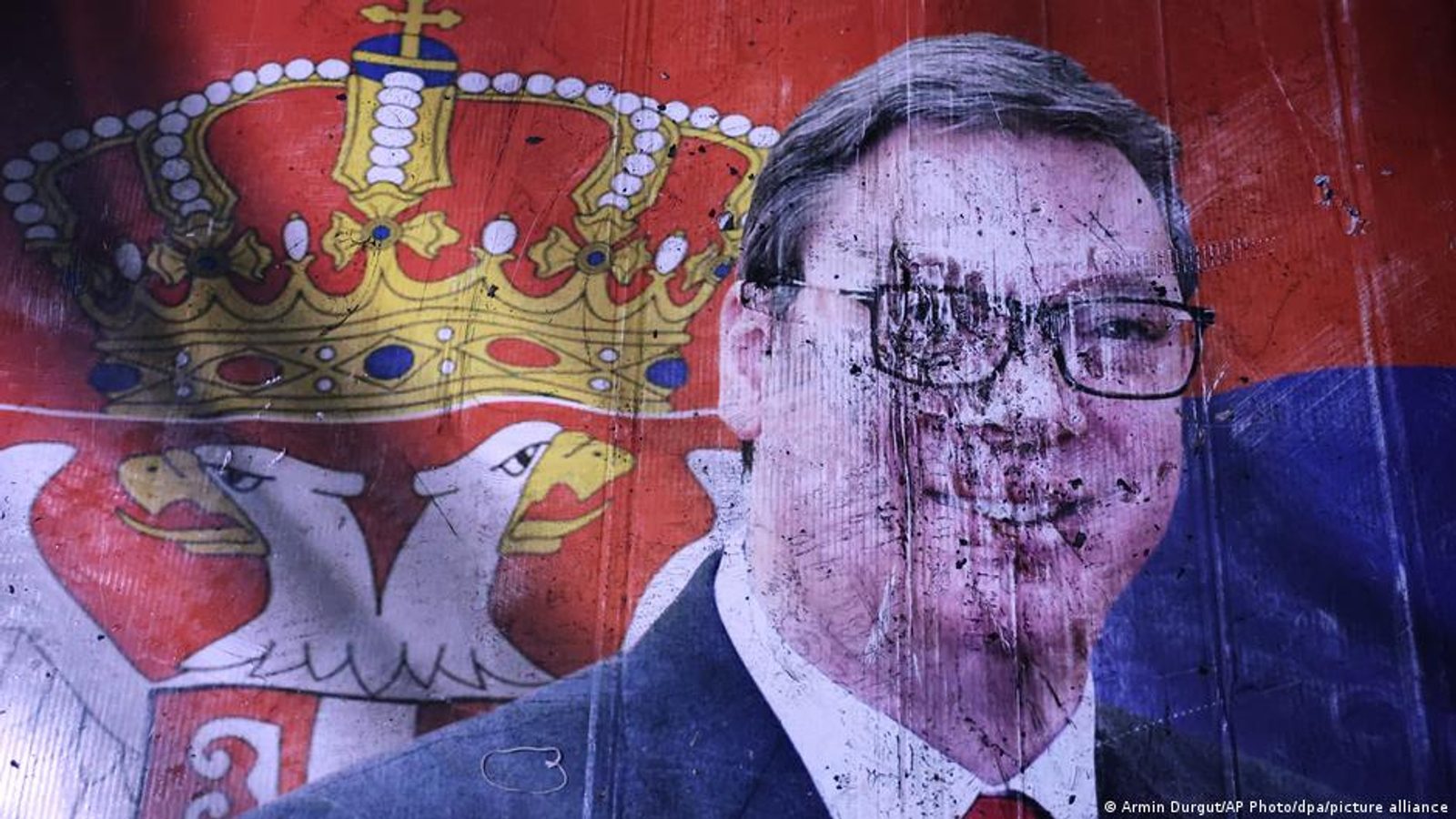
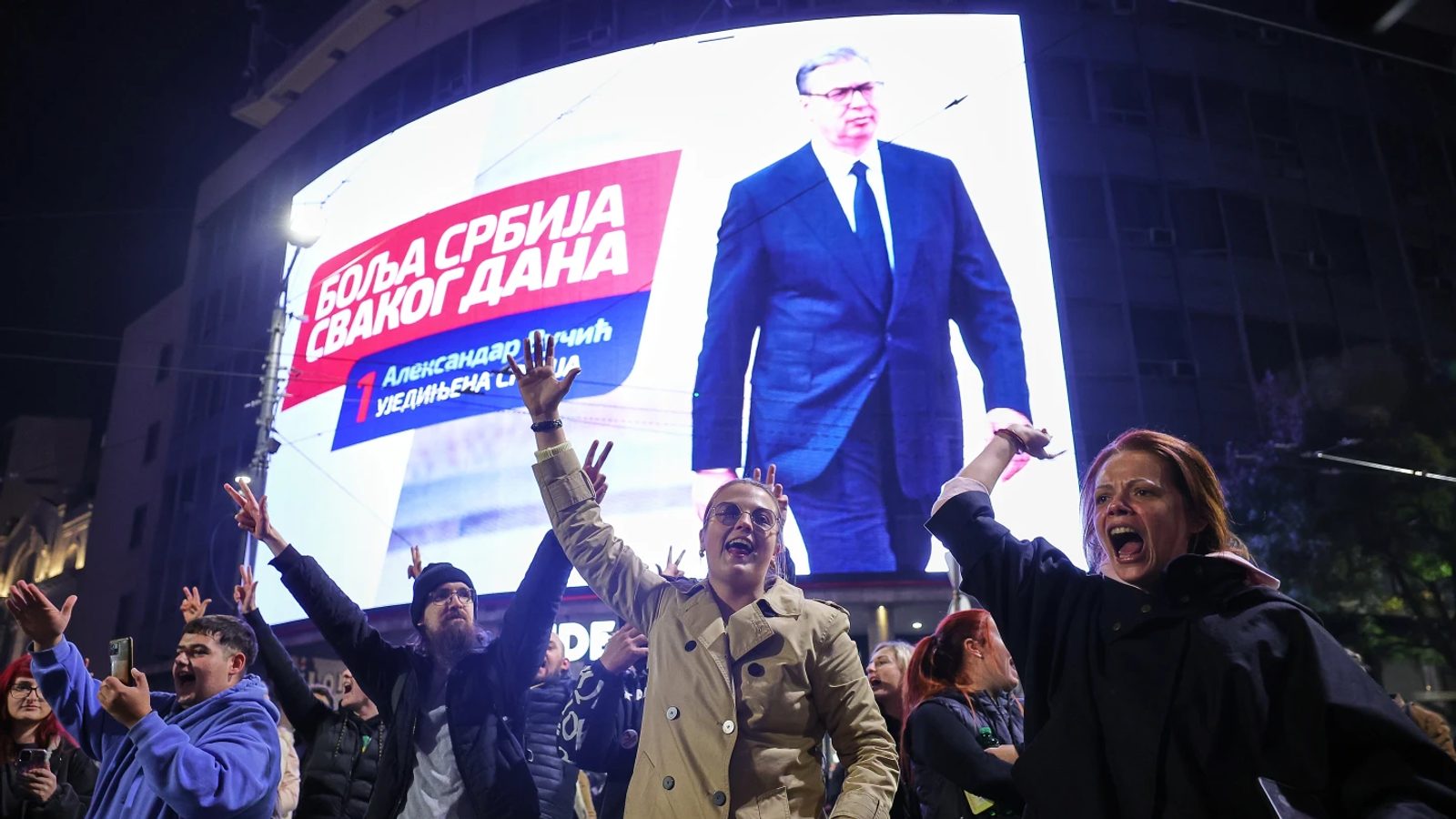
Belgrade, 25 October 2026 — The shock of Aleksandar Vučić’s defeat in Serbia’s parliamentary vote has immediately spilled into the country’s media landscape: presenters apologised on air, editors resigned and citizens demanded accountability for years of one-sided reporting.
Less than 24 hours after the Student List won a commanding 141 of 250 seats on 25 October 2026 — leaving the Serbian Progressive Party (SNS) with 103 mandates — Goran Eror, a presenter on a programme produced by RTV Vojvodina and also broadcast on the national channel Radio Television of Serbia (RTS), opened his show with an unexpected confession.
“We kept silent, we turned a blind eye to problems, reporting was one-sided, coverage uncritical. The right questions were not asked or were not asked at all. For that we owe an apology to viewers,” Eror said. Within hours the editor-in-chief of RTV resigned under pressure from the union, and staff at RTS began calling for similar changes.
Public anger and a forceful response
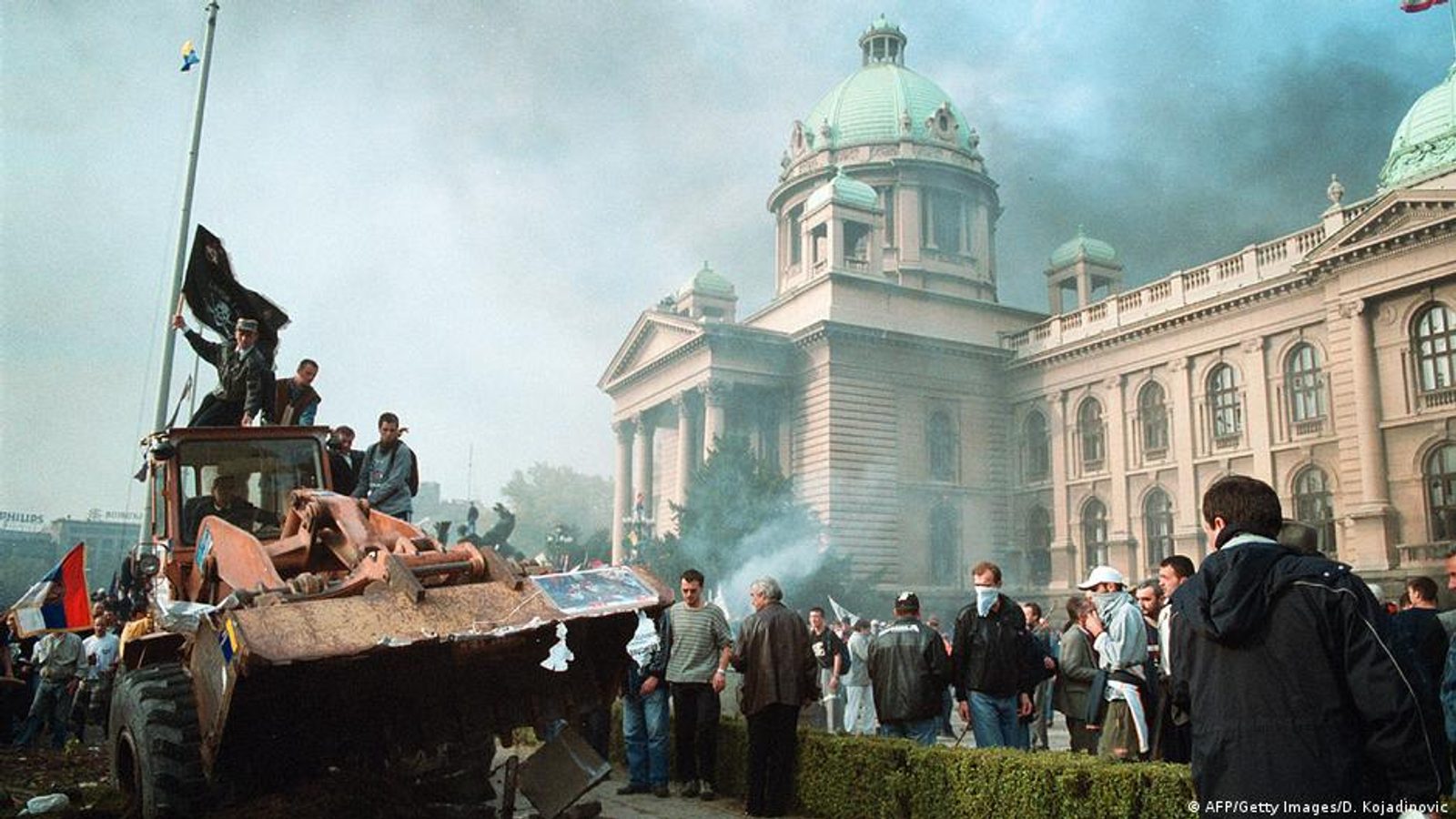
Anger among parts of the public boiled over that same evening when a group of protesters stormed the offices of the tabloid broadcaster Informer in Belgrade. According to reports, the intruders damaged equipment and briefly disrupted the signal; Informer’s editor-in-chief, Dragan J. Vučićević, said, “They wanted to kill me.”
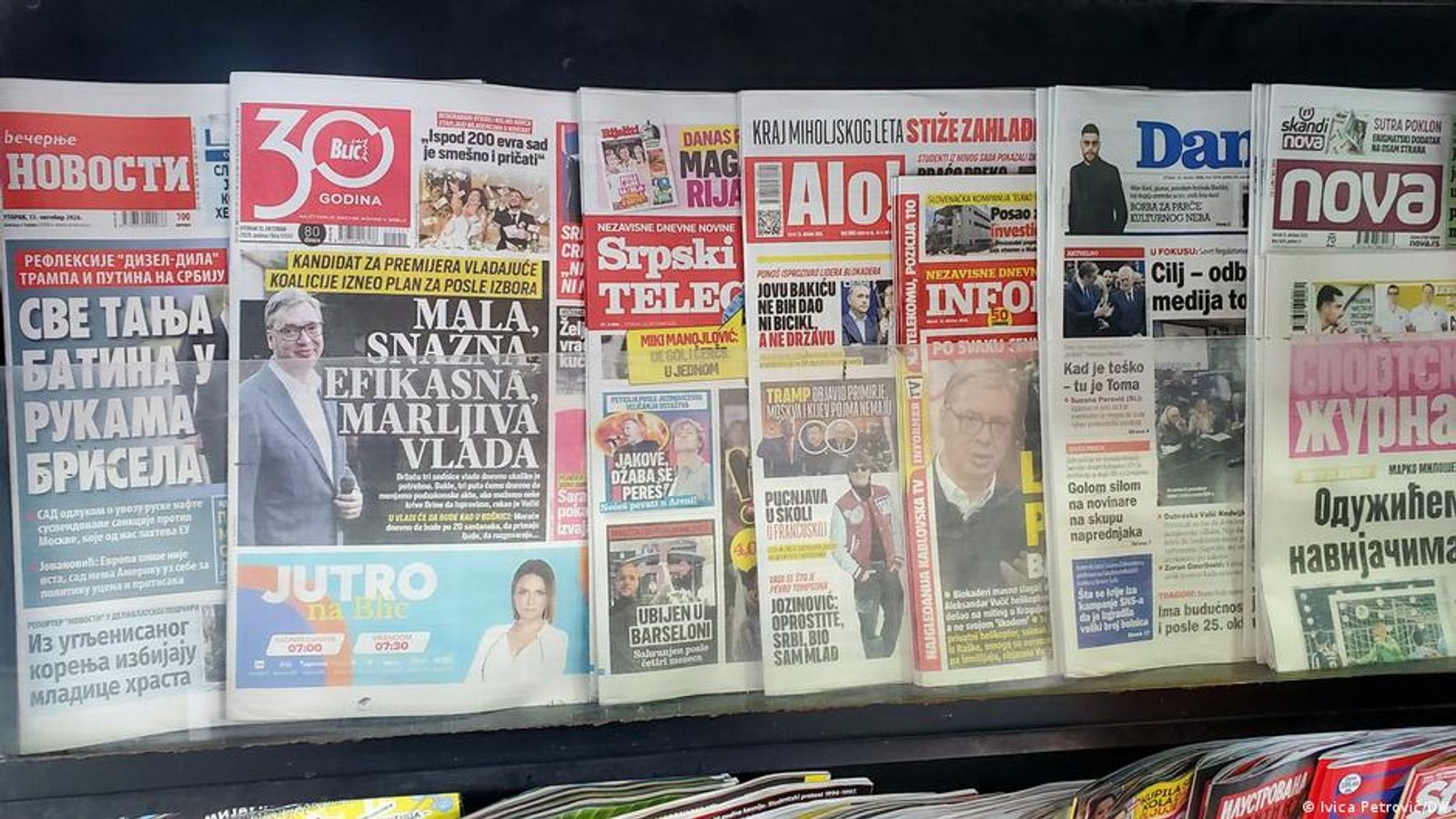
Informer has long led a network of pro-government tabloids that vilified critics of the authorities with epithets such as “traitors” and “Ustaše.” The term “Ustaše” refers to Croatian fascists responsible for genocide during World War II and is used in Serbian public discourse as a denunciatory slur.
Observers say the media machine that supported Vučić for nearly 15 years was central to his dominance. Independent monitoring by the social-research group BIRODI found that in the final weeks of the campaign Vučić appeared in positive coverage in 96 percent of reports on five national-frequency channels, while the Student List was shown negatively in 95 percent of cases.
Money and legal levers helped build that media ecosystem. State-controlled telecom investments totalling more than €2 billion were channelled into small cable operators, sports rights and direct support for dozens of pro-government stations. The Student List’s platform explicitly says the state telecom operator must not own TV or radio outlets, and that news broadcasters should be available across all cable platforms.
“We hope those who used the media for propaganda and those who paid for it with the citizens’ money will be called to account,” said Stevan Ristić, director of the independent weekly Vreme and president of the Serbian Media Association. Critics say the regulatory body for electronic media was staffed with loyalists during SNS rule; a new parliament could change that.
Photo: press material from the event