Tobacco draft law in Assembly paused as MPs seek domestic expert and industry opinions
The Health Committee halted the second reading after MPs requested additional opinions; the draft contains strict flavour bans, a car-with-child smoking ban and heavy fines.
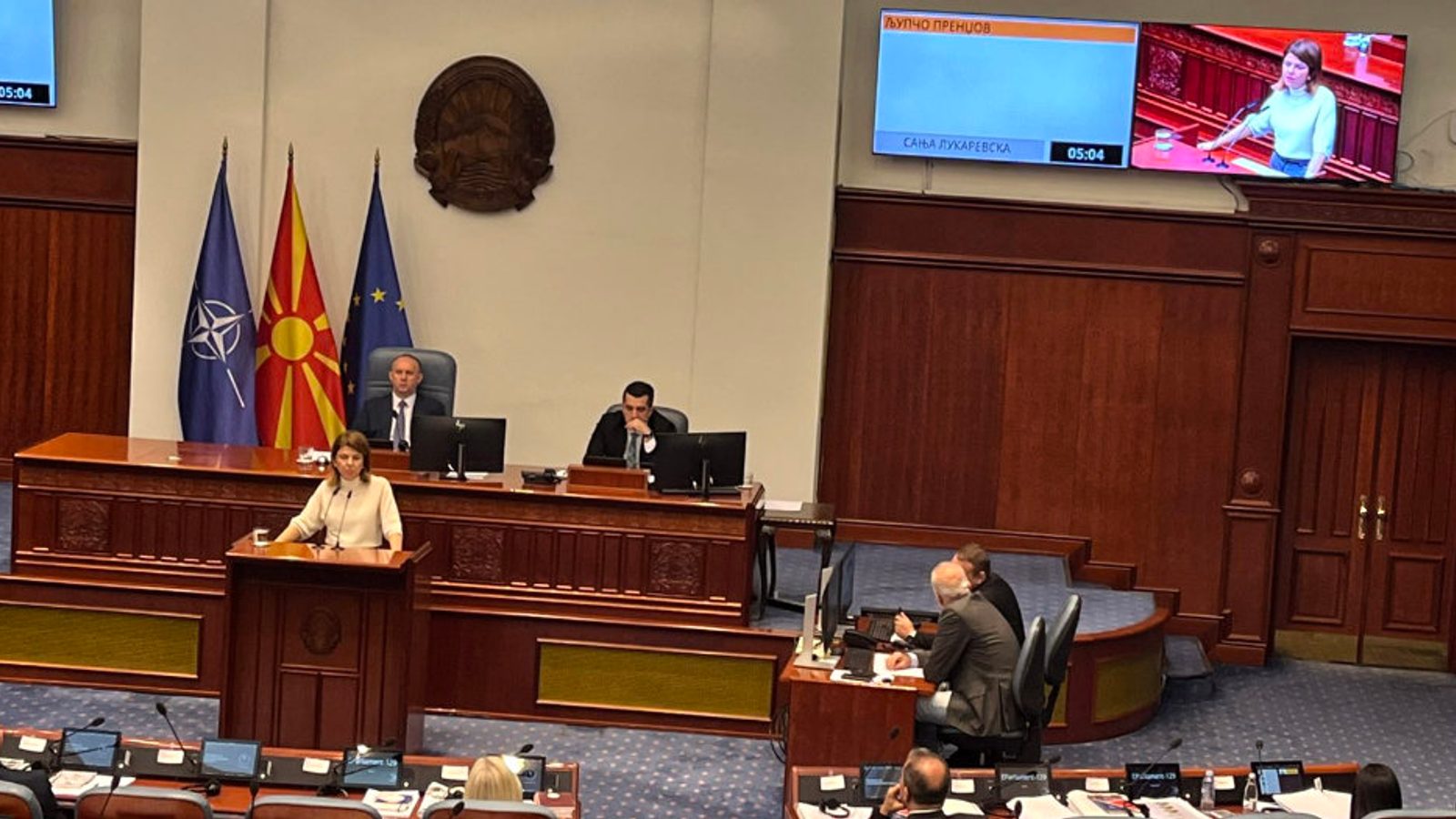
The draft Law on Protection from the Use of Tobacco Products and Related Products remains stalled at the second reading in the Assembly's Health Committee after MPs asked for additional opinions from domestic experts and from tobacco producers. Eight amendments have been submitted to the draft law.
"Besides the opinion of the World Health Organization, a group of MPs have requested additional opinions on the law from domestic experts and an opinion from producers engaged in the production of tobacco products. Once the requested opinions arrive, the commission will continue the procedure," the Assembly told reporters.
Key provisions and political timeline
The Ministry of Health published the new draft in January proposing strict restrictions on tobacco, nicotine products and devices. Former Minister Azir Aliu initially announced the law would take effect on 1 March, but its entry into force was postponed after objections from hospitality businesses and the tobacco industry. The Government adopted the draft on 2 June, after which the parliamentary procedure began; the second reading has been blocked since September.
The proposal seeks to reduce the country’s high smoking rate — cited at 45% among the adult population — by banning production, import and sale of tobacco and nicotine products (including e-cigarettes) that contain sweet, fruit or herbal flavours, as well as menthol. One of the most notable new rules is a total ban on smoking in a private vehicle when a child is present.
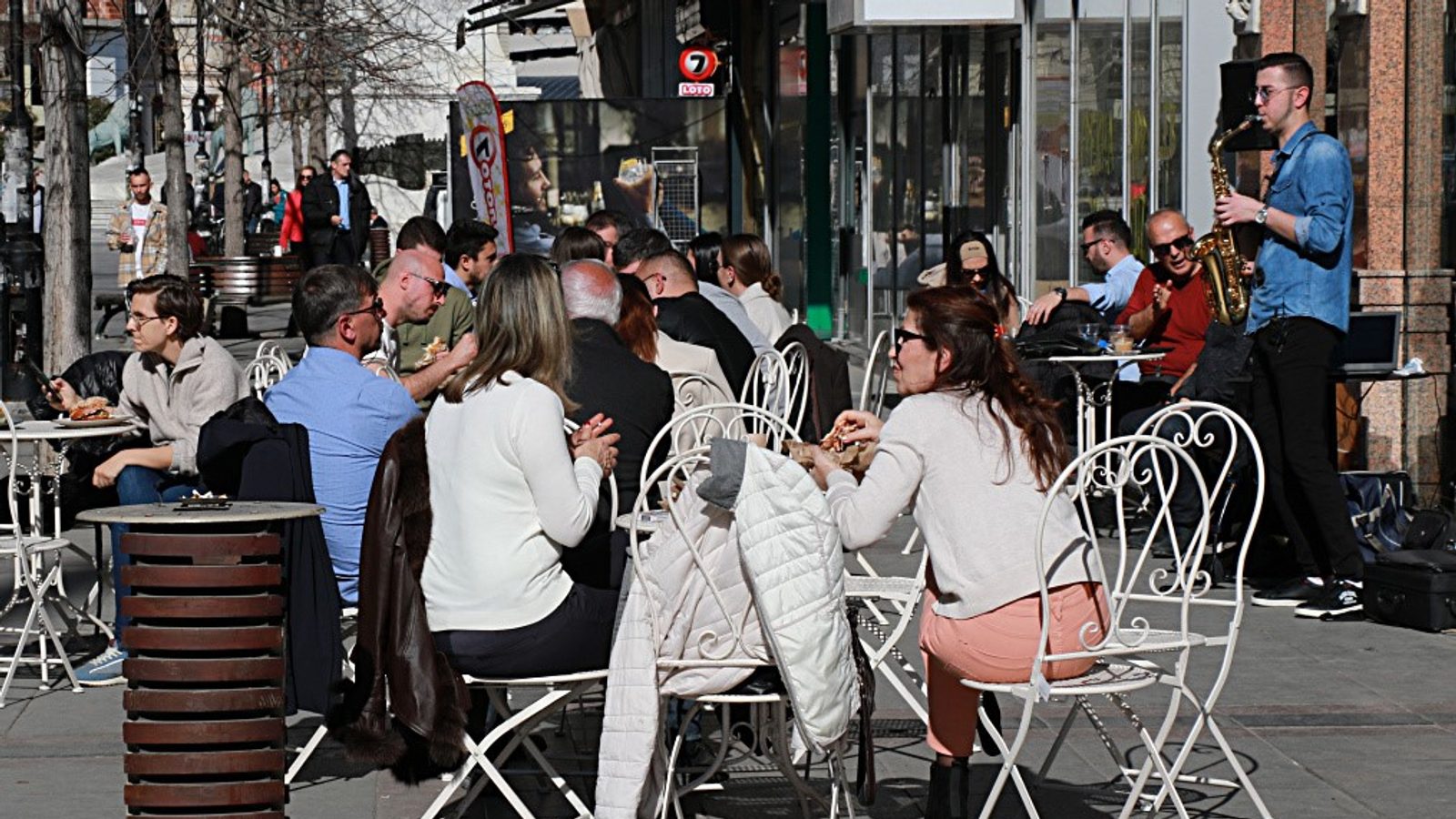
Smoking would remain prohibited in all enclosed public spaces and catering establishments. Exceptions are limited to open balconies and terraces on upper floors; ground-floor terraces would be allowed to permit smoking only if they are open on at least three sides and have no glass or nylon partitions. Display of cigarettes and devices in supermarkets would be banned: products must be kept in closed cabinets not visible to customers, and price information may be provided only through an alphabetically ordered list.
Inspection will be carried out by several bodies including the market inspectorate, sanitary and labour inspectorates, and the police. Individuals caught smoking in forbidden places face fines of €150 to €300 (an on-the-spot payment is €100). Legal entities face fines from €2,000 to €5,000 depending on size; inspectors may also impose a temporary ban on business activity for up to three months. The draft has attracted proposals such as allowing so-called smoking rooms in institutions, companies or hospitality venues — a measure the current Minister of Health, Sasho Klekovski, has rejected.
Photo: Arhiva na SDK.MK)