Prime Minister Hristijan Mickoski expects neighbourly ties with Serbia to continue; SDSM warns of possible probes
Government seeks deeper economic cooperation after political change in Serbia, while SDSM says the shift could trigger investigations
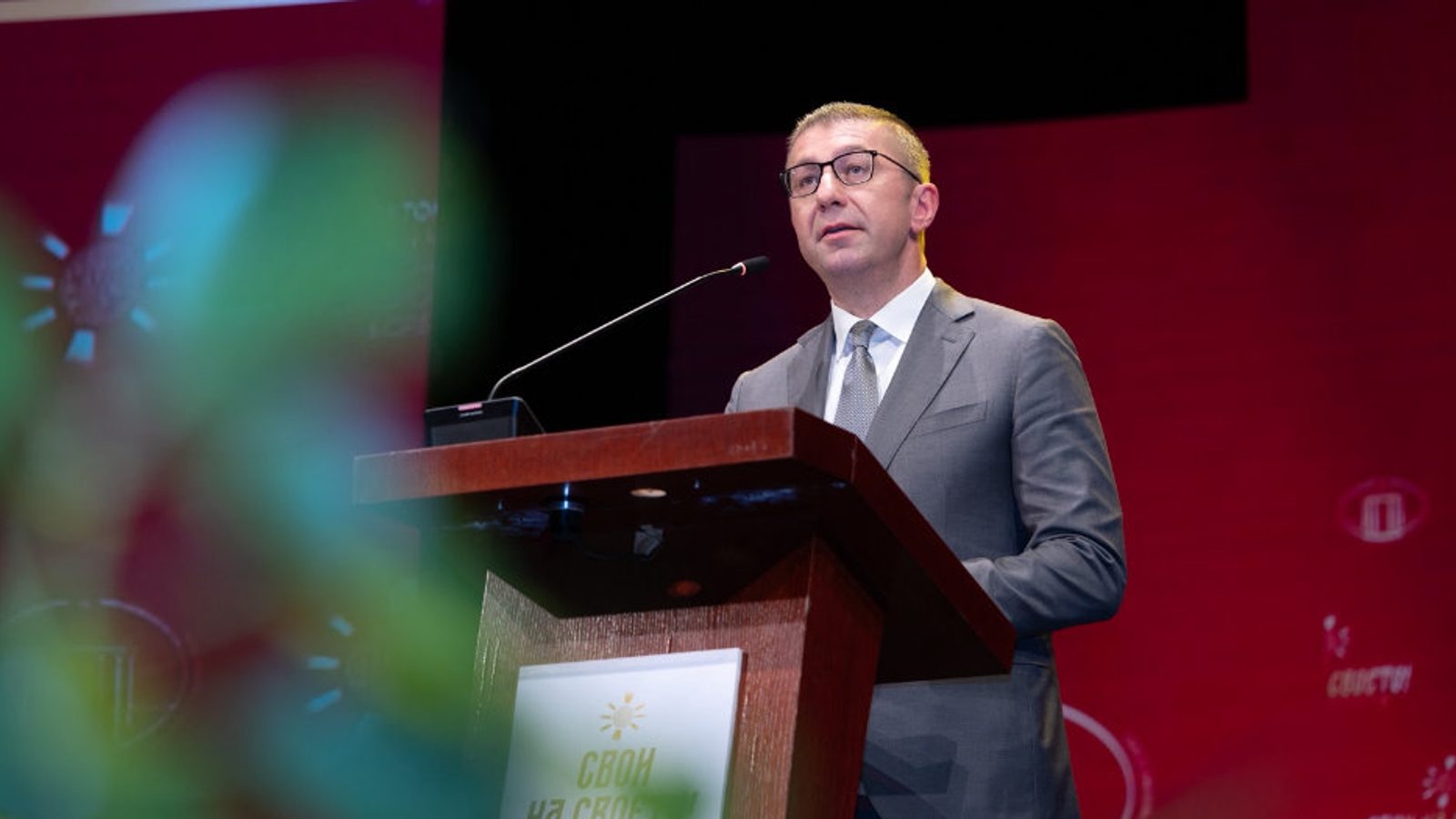
Prime Minister Hristijan Mickoski said his government expects neighbourly relations with Serbia to continue, with an emphasis on deepening economic cooperation, after a political change in the neighbouring country that brought victory to the Student List led by Ilija Srdanović.
Mickoski framed recent attacks from the opposition as attempts at a political reckoning and said he will not respond in kind. He defended his government's agenda, stressing a focus on reforms and projects.
"I expect our good-neighbour relations to continue. I expect, as good neighbours, that we will work to increase our economies in both countries. I apologize to citizens that in the period ahead they will be witnesses to such a campaign that abounds with ad-hominem attacks, with insults, with very low passions that the opposition will direct at me to the greatest extent. But, it is what it is, we will fight with reforms, with projects, with policies that provide a future," Mickoski said.
Domestic voting patterns and party support
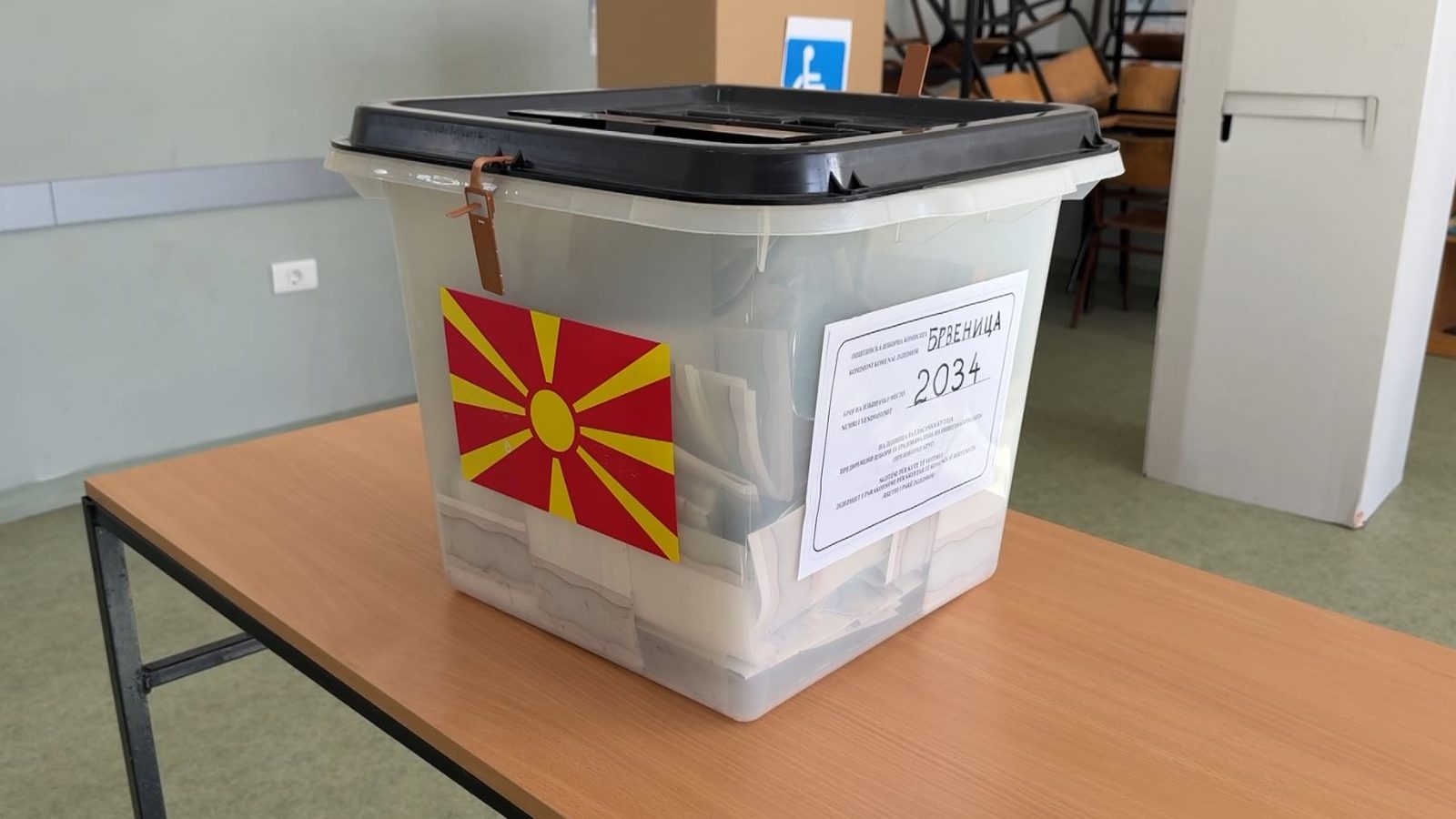
On Serbia's parliamentary ballot, the Student List prevailed with a margin of more than 615,000 votes. However, polling among voters in North Macedonia showed a different picture: in Kumanovo the party of Aleksandar Vučić, SNP, received 92.41 percent of the votes cast there — 487 votes versus 35 for the Student List. In Skopje, SNP collected 508 votes, while the students received 165.
Official figures from the Serbian Republic Electoral Commission also indicate that support for Vučić's party among voters in North Macedonia declined compared with the 2023 elections.
Meanwhile, SDSM warned that political change in Serbia could open the way for investigations in North Macedonia, suggesting such probes might expose alleged links between political, business and criminal interests. The debate underscores domestic political tensions as the government reiterates its priority on reforms and economic ties with neighbours.
Photo: press material from the event