The Transfiguration: midnight gates, one wished prayer and customs women are warned to follow
Midnight "God's gates", seasonal omens and a set of traditional prohibitions tied to the holiday.
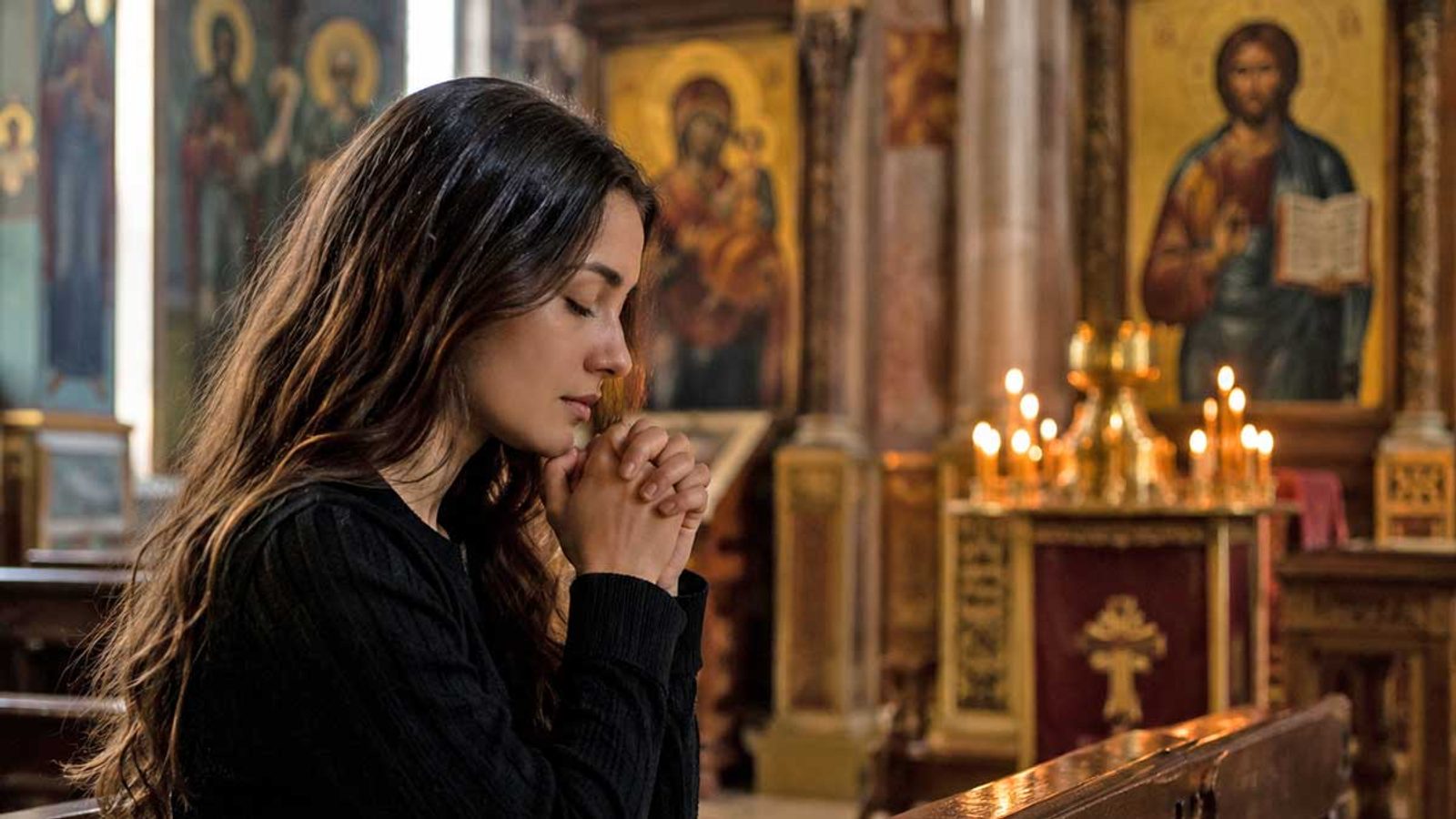
The Feast of the Transfiguration is among the twelve great Christian celebrations and commemorates the moment Jesus was transfigured before the apostles Peter, James and John on Mount Tabor, when his face and clothes shone with heavenly light and his divine nature was revealed.
According to the Gospel account, Moses and Elijah appeared beside him on the mountain, and from the cloud a voice of God the Father declared: "This is my beloved Son; listen to him."
In many rural and urban communities the holiday is surrounded by a rich layer of customs and beliefs passed down through generations. Although the feast falls during the Dormition fast, church practice allows fish, wine and oil on this day.
Midnight rites and what people believe
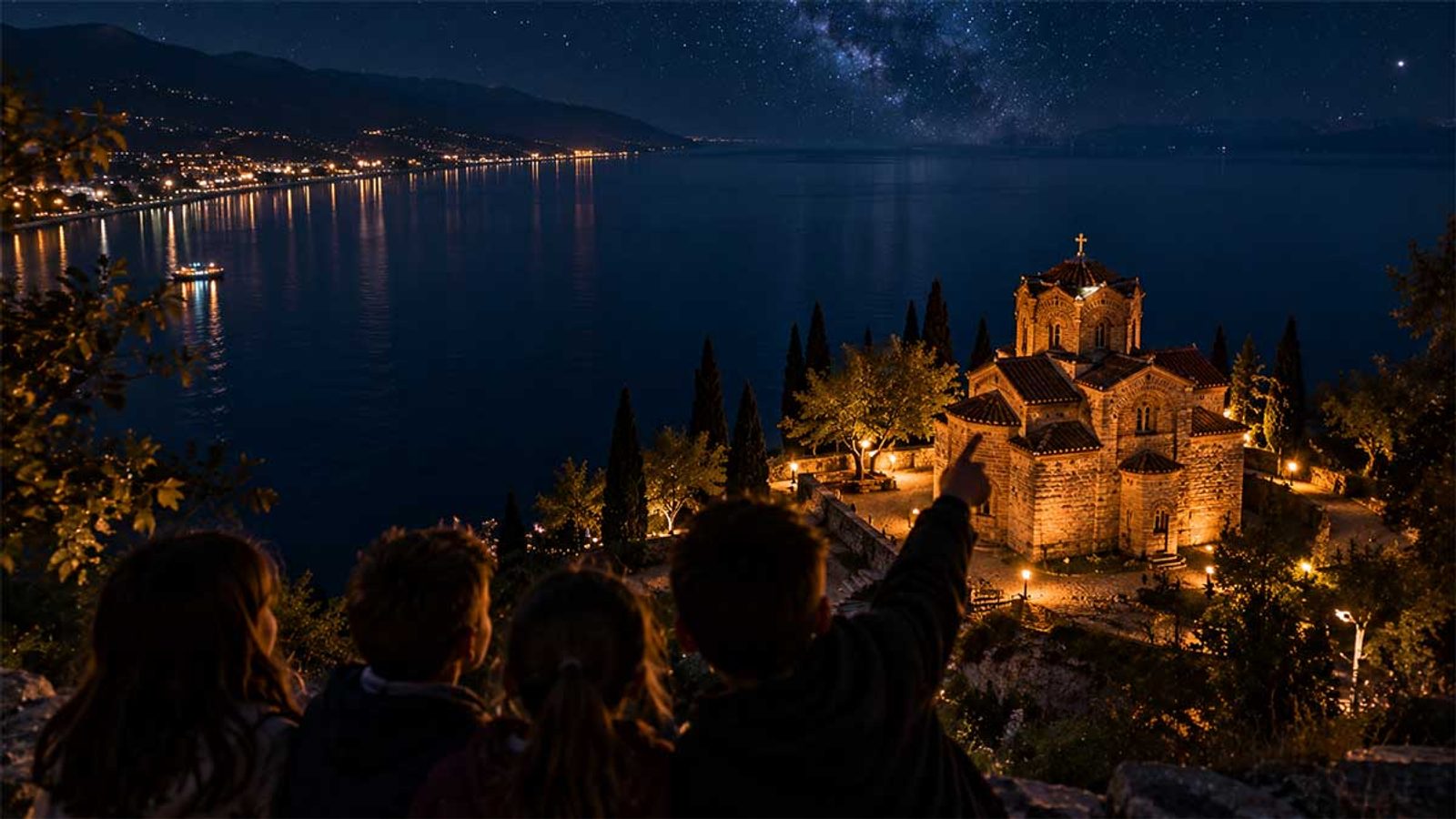
The night before the Transfiguration holds a special place in popular tradition and is sometimes called the "summer Theophany." Folk belief says that the sky itself undergoes three transformations and that at the stroke of midnight "God's gates" open.
Because of that, people go outside, look up at the starry sky and silently form a single, most important wish. It is said prayers made from the heart at that moment are heard. Families used to keep children awake so they would not miss the chance to pray for health, happiness, peace at home and the wellbeing of the household.
Tradition also links the feast with seasonal change: old sayings note that leaves and waters appear transformed, and that "the sun turns its back on summer and smiles at winter." From this date mornings become cooler, days shorten and migratory birds begin preparing to leave, which prompted elders to forbid swimming in rivers and lakes after the Transfiguration.
Customs also carry behavioural rules for the day: women are warned not to cry because it is believed that a woman who weeps on the Transfiguration will face sorrow during the year; napping is discouraged because a daytime sleep is thought to bring laziness for the months ahead; and the holiday should pass in peace, without quarrels or bitter words. Many see the day as an opportunity to begin a change for the better and to launch projects long postponed.
Photo: AI