Is Russia preparing a new mobilization?
Zelensky says Kyiv’s intelligence sees preparations for fresh recruitment; independent research and falling contract enlistment raise concern.
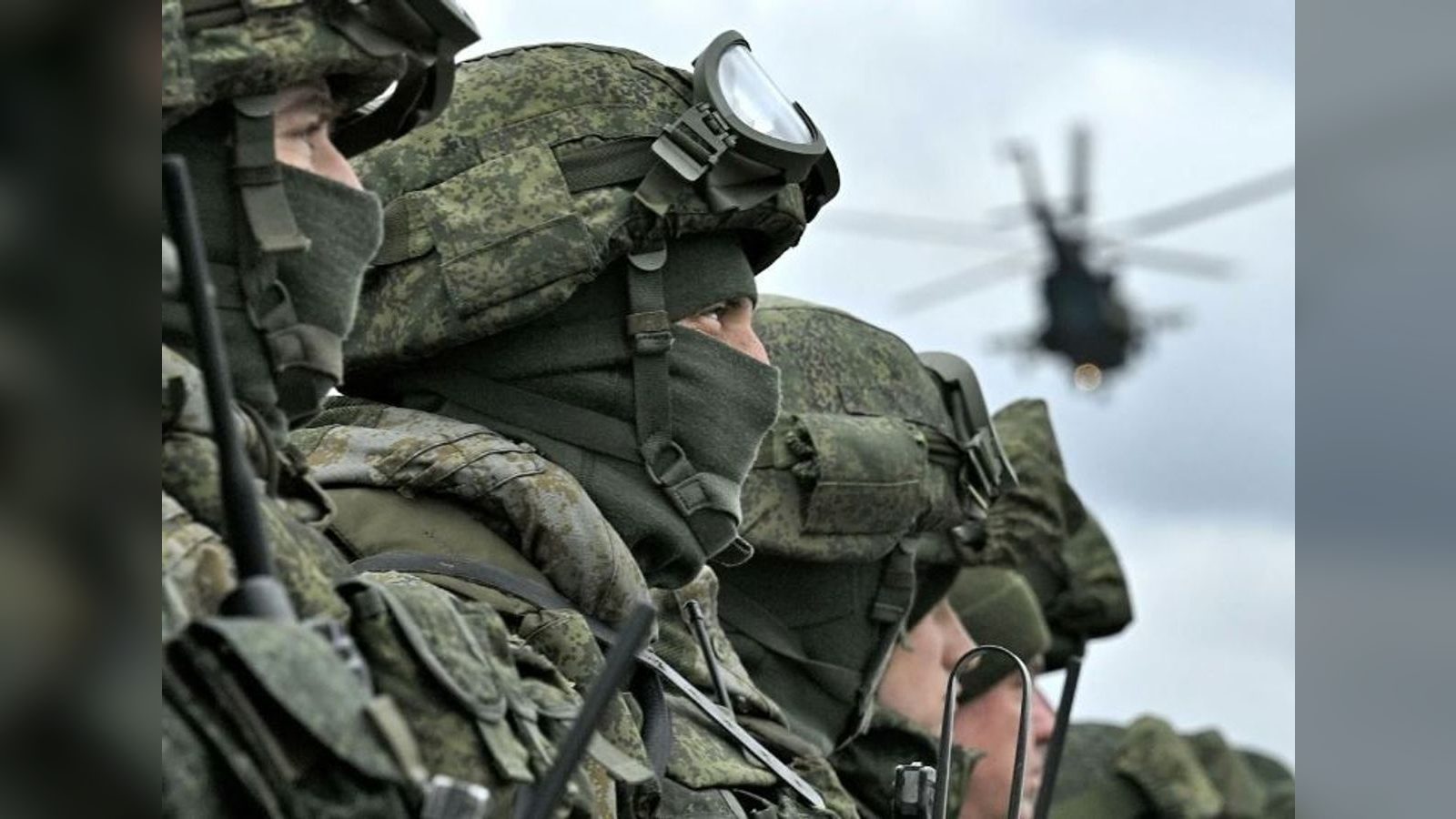
Ukrainian President Volodymyr Zelensky said this week that Kyiv's intelligence services believe Russian authorities are preparing to "expand mobilization" in the autumn — a move he warned would deepen and prolong the war. "He is hiding it with other words and signals, but he is preparing for it. It is important, together with our partners, to apply sufficient pressure on Russia so that the idea of ending this aggression, the idea of peace, prevails, not a new Russian mobilization," Zelensky said.
What points to a new wave of recruitment?
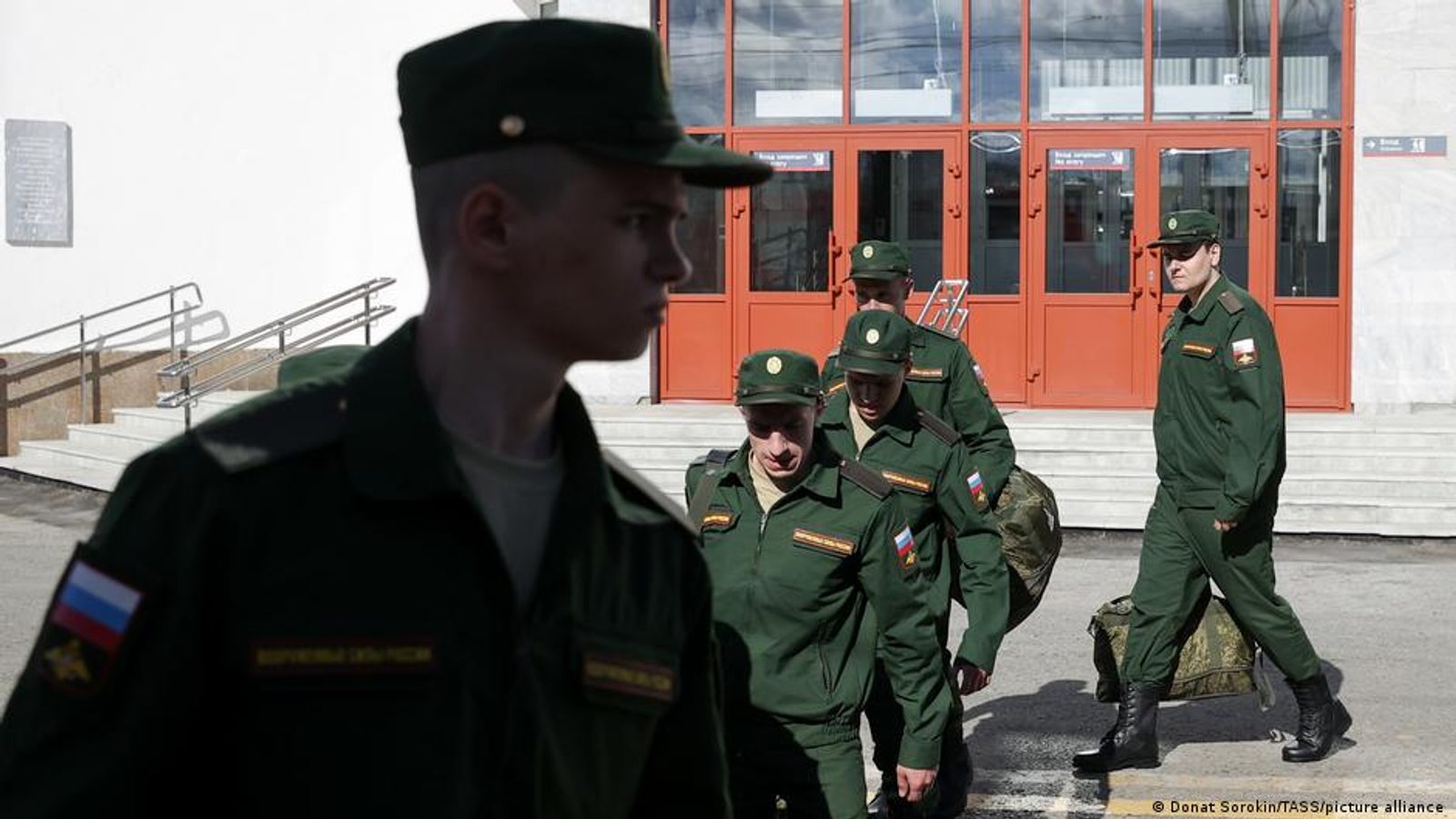
Independent reporting published at the end of June 2026 by Russian-language outlets in exile and regional sources points to growing concern inside the Russian leadership about contract recruitment shortfalls. One source cited figures from Moscow city administration showing that in April 2026 the city sent 1,708 people to the front and in May 1,378 — about one thousand fewer than in the same months the previous year — and that low recruitment continued into June.
Another analysis concluded that the rate of contract enlistment fell to less than half in the last quarter of 2025 compared with the same period a year earlier, with the decline continuing into early 2026. Interviews with servicemen quoted by those investigations described many of the contract recruits arriving at the front this year as "not capable of fighting", and said some new arrivals flee the front. One conscript reportedly told reporters that units are "at best filled to between 30 and 40 percent."
The Institute for the Study of War (ISW) assessed at the end of July that the Kremlin is laying the groundwork for a renewed mobilization. ISW analysts noted, however, that any decision would be "exclusively a personal decision of Putin," based on his assessment of battlefield conditions and political stability in the Kremlin; the institute said it was unclear whether such a decision would be made soon or what form it would take.
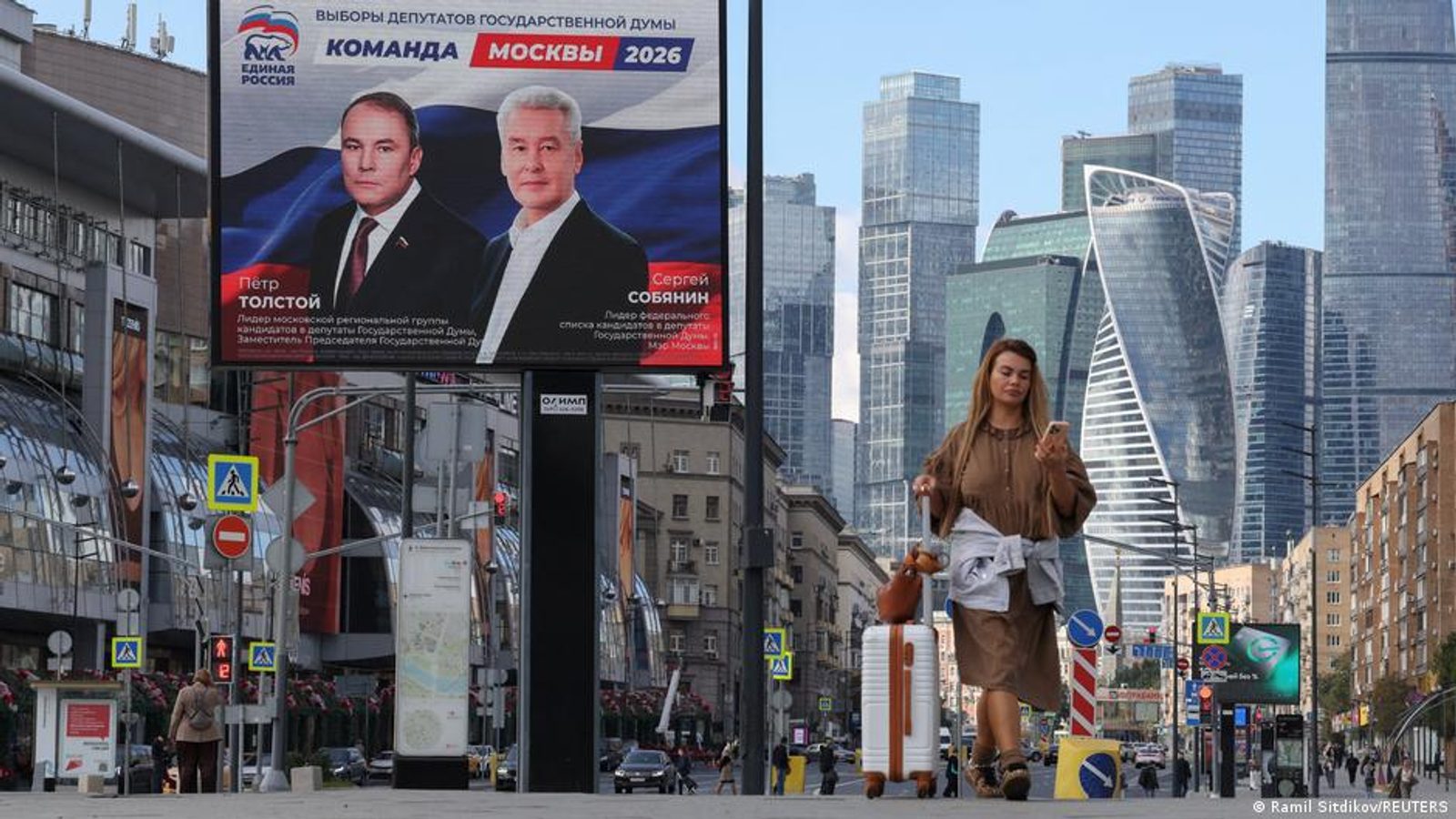
Practical signs of concern have also appeared beyond recruitment statistics: rental demand in Yerevan has jumped, reportedly driving rents up by about 30 percent in recent months as many Russians seek to leave the country before the State Duma elections scheduled for 18 to 20 September. Landlords said that whereas their tenants in previous years were usually long-term residents, now some 80 percent of new inquiries come from people who recently moved to or plan to move to Armenia.
Kremlin officials have publicly downplayed the reports. Kremlin spokesman Dmitry Peskov told reporters at the end of July that he saw no reason to comment on Zelensky's statements: "It is not Zelensky's business to speak about our plans." Federation Council member Andrey Klishas said at the start of summer 2026 that a new mobilization was not being considered, and Deputy Chairman of the Russian Security Council Dmitry Medvedev dismissed the rumors as "part of pre-election propaganda," while claiming that some 200,000 people signed contracts with the Russian military in the first half of 2026.
Military analyst Yan Matveev urged caution when taking official figures at face value: "Of course, one cannot blindly trust the figures of the Russian authorities. They are tailored to suit their goals," he said in an interview. Comparing official claims with independent estimates, Matveev suggested the real number of contract signings in six months was more likely between 170,000 and 180,000 rather than nearly 200,000. He added that current recruitment rates are insufficient to secure a military victory in Ukraine and that even a fresh mobilization would not guarantee one; meanwhile, he warned, battlefield losses are increasing and — absent a dramatic change — will continue to rise.
Photo: EPA