Transporters in talks with the Government — possible border blockades from 14 September
Hauliers seek clarification from Brussels on the Schengen 90/180 rule and will decide on protests after meeting with Vice Prime Minister Aleksandar Nikolovski.
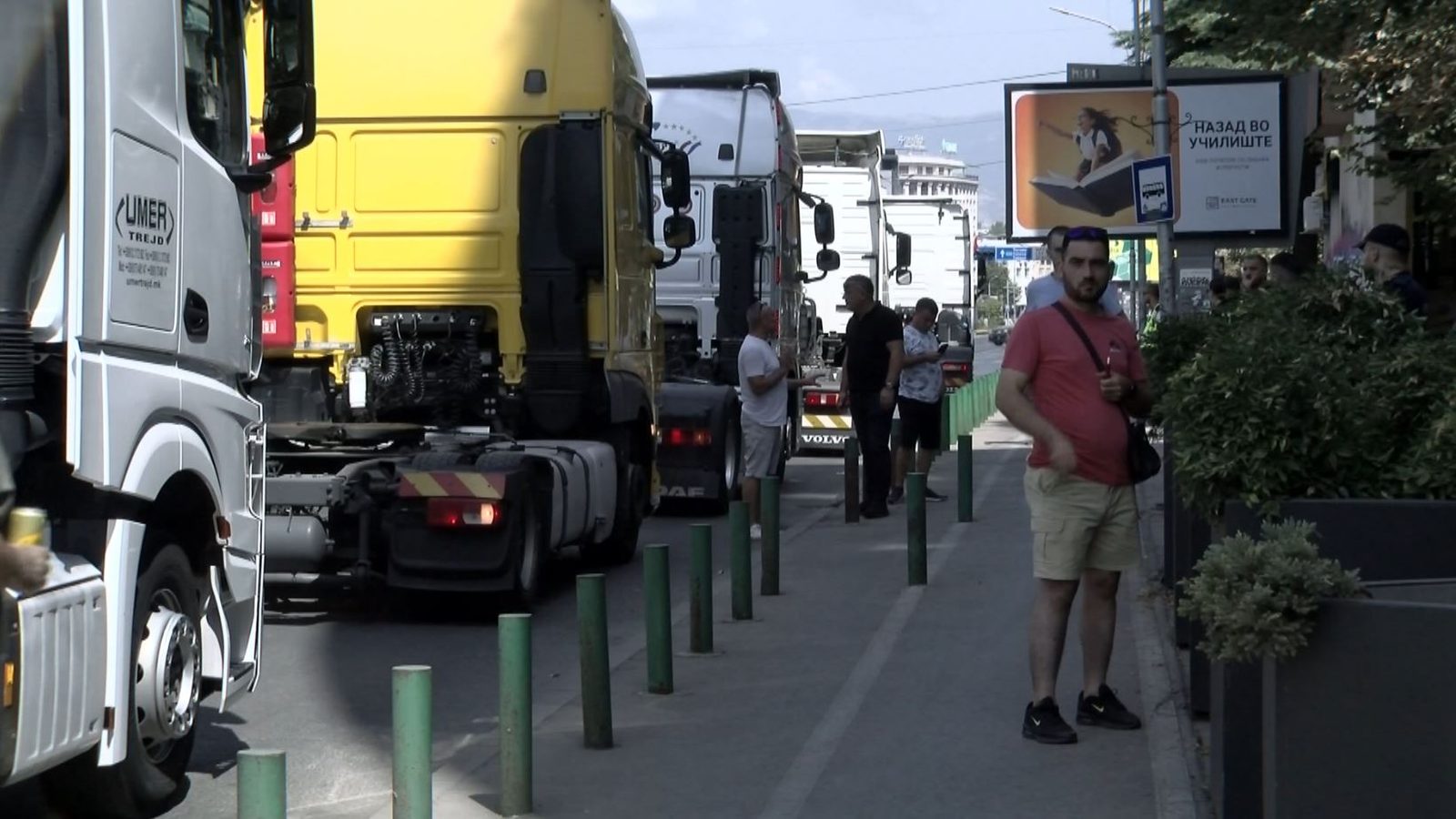
Transport companies from North Macedonia are holding ongoing talks with the Government to determine what, if any, relief Brussels will offer regarding the Schengen 90/180 rule. They say they need that clarity before deciding whether to carry out the border blockades they have threatened.
A meeting between the transport industry and Vice Prime Minister Aleksandar Nikolovski is expected this week, officials told local media, as carriers try to build a common position based on the European response.
What transport operators want and the next steps
After Brussels delivered a clear "no" to amending the 90/180 rule, carriers across the Western Balkans intensified internal consultations. They plan to send a letter to the European Commission asking for a detailed explanation of the reasoning behind the decision, in particular how it affects bilateral negotiations and agreements.
One key question they want answered is whether a long-term visa issued by one Schengen country would be recognised across the entire Schengen area. Carriers say that if the Commission’s reply is negative, there is a high probability that the announced blockades of border crossings will go ahead.
The European Commission has acknowledged that, because of the nature of their work, transport professionals often must remain in the Schengen area for periods longer than 90 days. For now, the Commission points to existing rules and bilateral agreements with member states as the way to address the problem and highlights long-term visas as the preferred solution. It also clarified that the new Entry/Exit System (EES) did not create the 90-day limit but allows for stricter and more precise enforcement.
The Government of North Macedonia says progress is moving in a positive direction and notes that the EU’s new visa strategy recognises transport workers as a professional category. Skopje underlines that its existing bilateral agreements on long-term work visas with several Schengen states are the most practical remedy while negotiations continue for additional accords.
Transport associations from North Macedonia, Serbia, Montenegro and Bosnia and Herzegovina have announced they will block border crossings starting on 14 September unless a solution is found beforehand.
Ognen Chancharevic
Photo: press material from the event