Protests and strikes shake Europe — tents at Syntagma, troops deployed
Students, unions and civic groups stage strikes and demonstrations in Greece, Albania, France and Italy over rising costs and education cuts.
Waves of strikes and street demonstrations have spread across several European countries this month as citizens protest rising living costs and demand greater public investment in education. After large mobilizations in Albania, France and Italy, organisers in Greece announced national actions and protests for today.
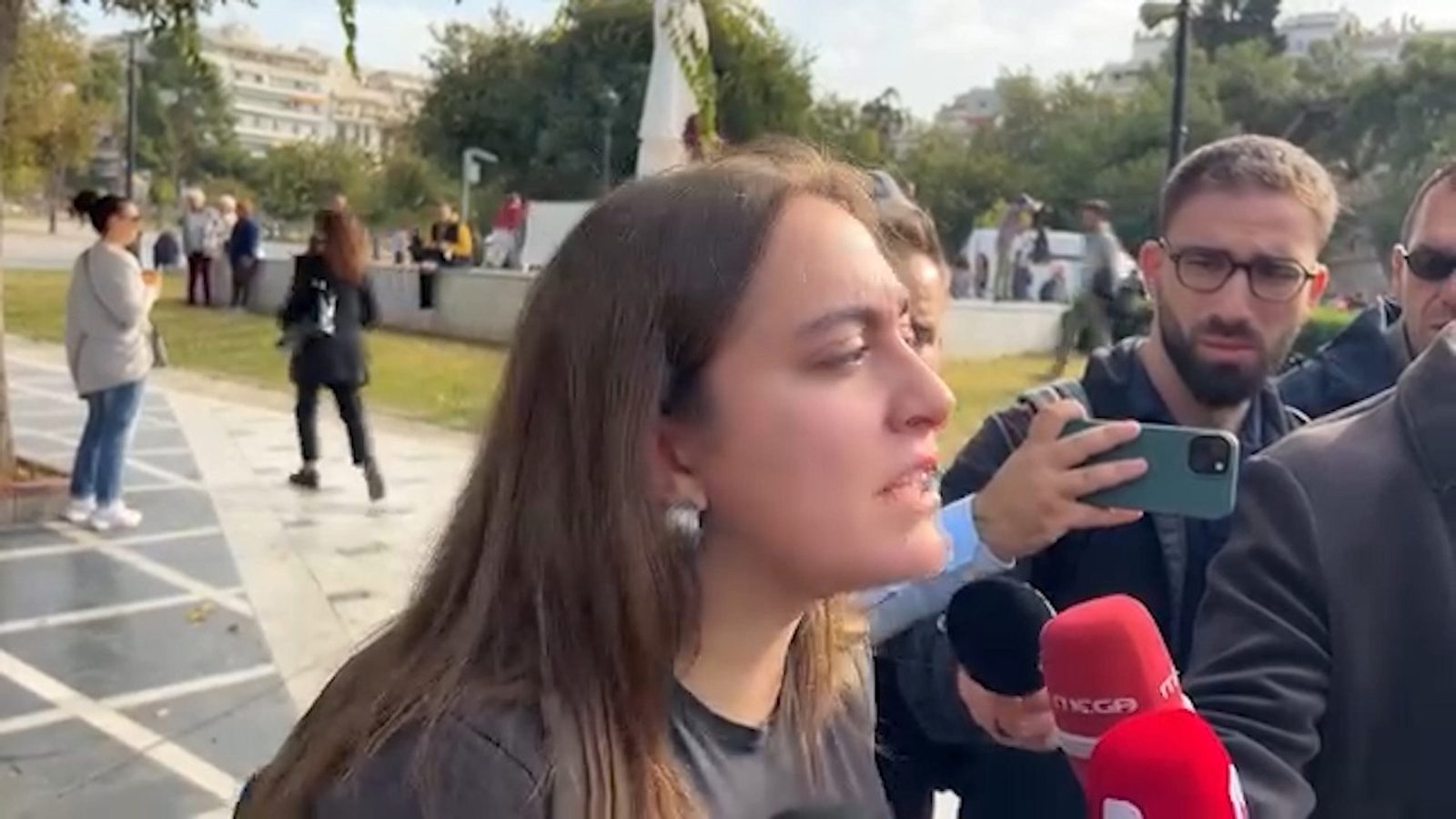
In Athens students and university groups began pitching tents on Syntagma Square yesterday afternoon, gathering in front of the Hellenic Parliament with calls for lower rents, bigger housing subsidies and more teaching staff. Marija Sindela, a member of the Philology Students’ Association in Thessaloniki, said: "We link our demands with the mobilisations of young people in other European countries. The same situation exists in our country, high prices are pressing, and public and free education is being undermined." Protest rallies have also been reported in Thessaloniki, Larissa and several other cities.
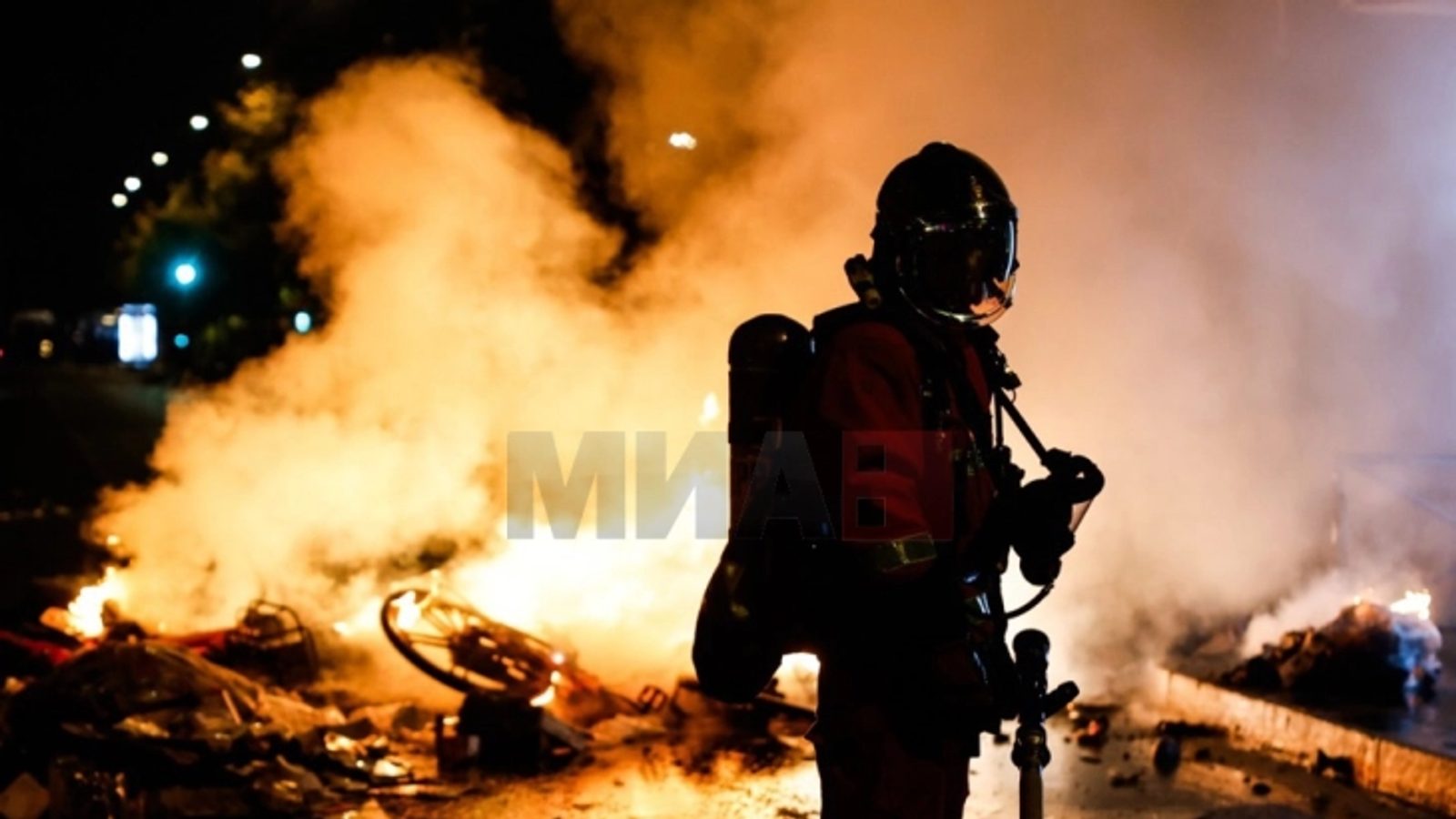
Albania has seen eight days of violent clashes, and the unrest has drawn backing from university academics. All public university lectures have been suspended after the higher education workers’ union declared a general boycott of classes. Demonstrations in Tirana last night turned violent when police used tear gas and water cannon to disperse crowds gathered outside the prime minister's office; the situation escalated after a Molotov cocktail was thrown at the building. A university professor involved in the solidarity effort said: "We will continue to provide support, because for us it is important not only what happens in education, but also the conditions in society at the moment. There are many problems in our society and we need solutions."
Security responses expand in France and Italy
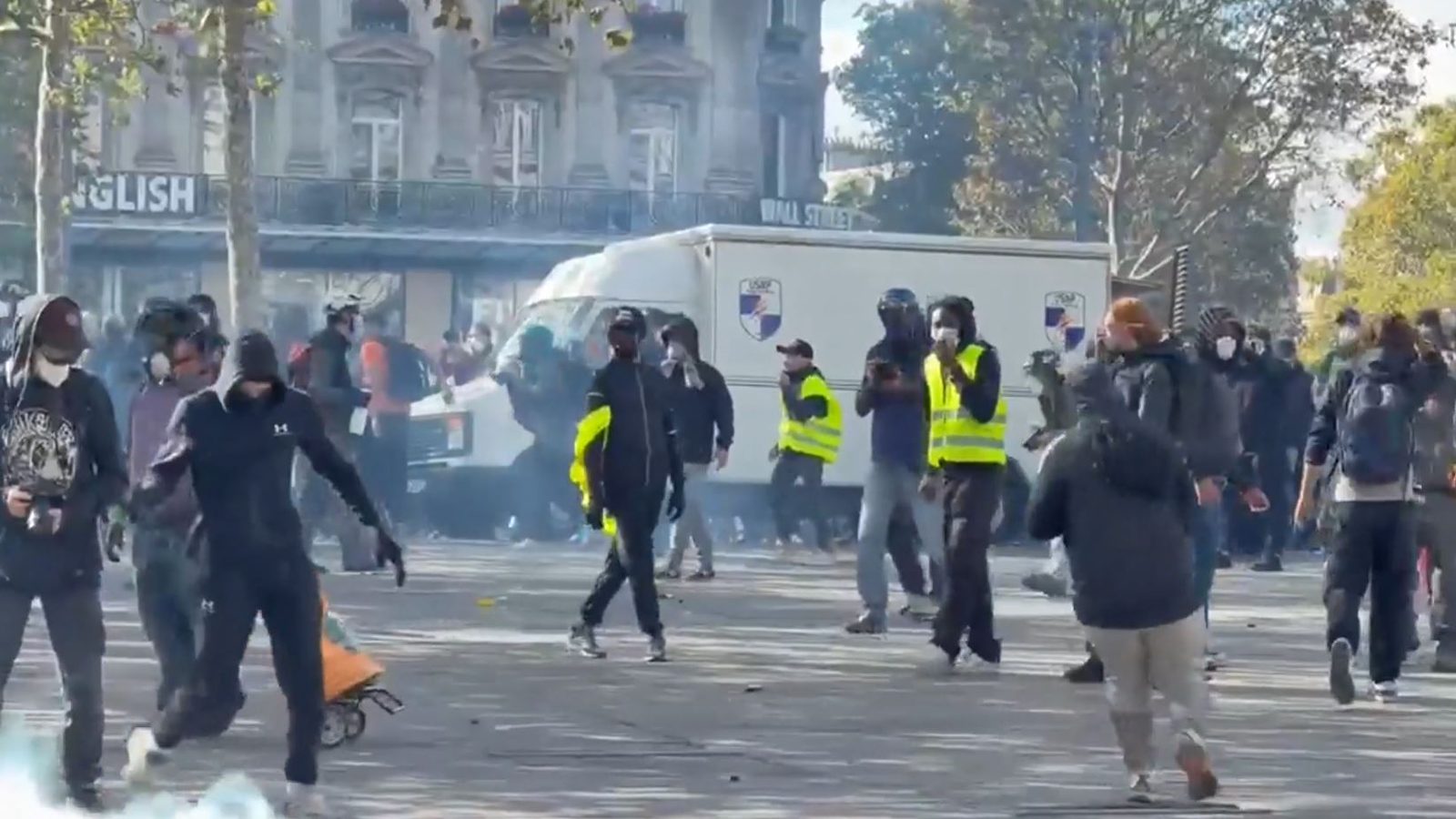
French authorities are still dealing with the fallout from violent weekend demonstrations. The government acknowledged shortcomings and announced that, to prevent further disorder at protests planned for Saturday, troops will be deployed to major cities alongside police. Laurent Nuñez, France's interior minister, said: "We will deploy army forces to replace police units, which are mainly engaged in static positions. This will free police officers from those tasks so they can focus on maintaining public order and peace."
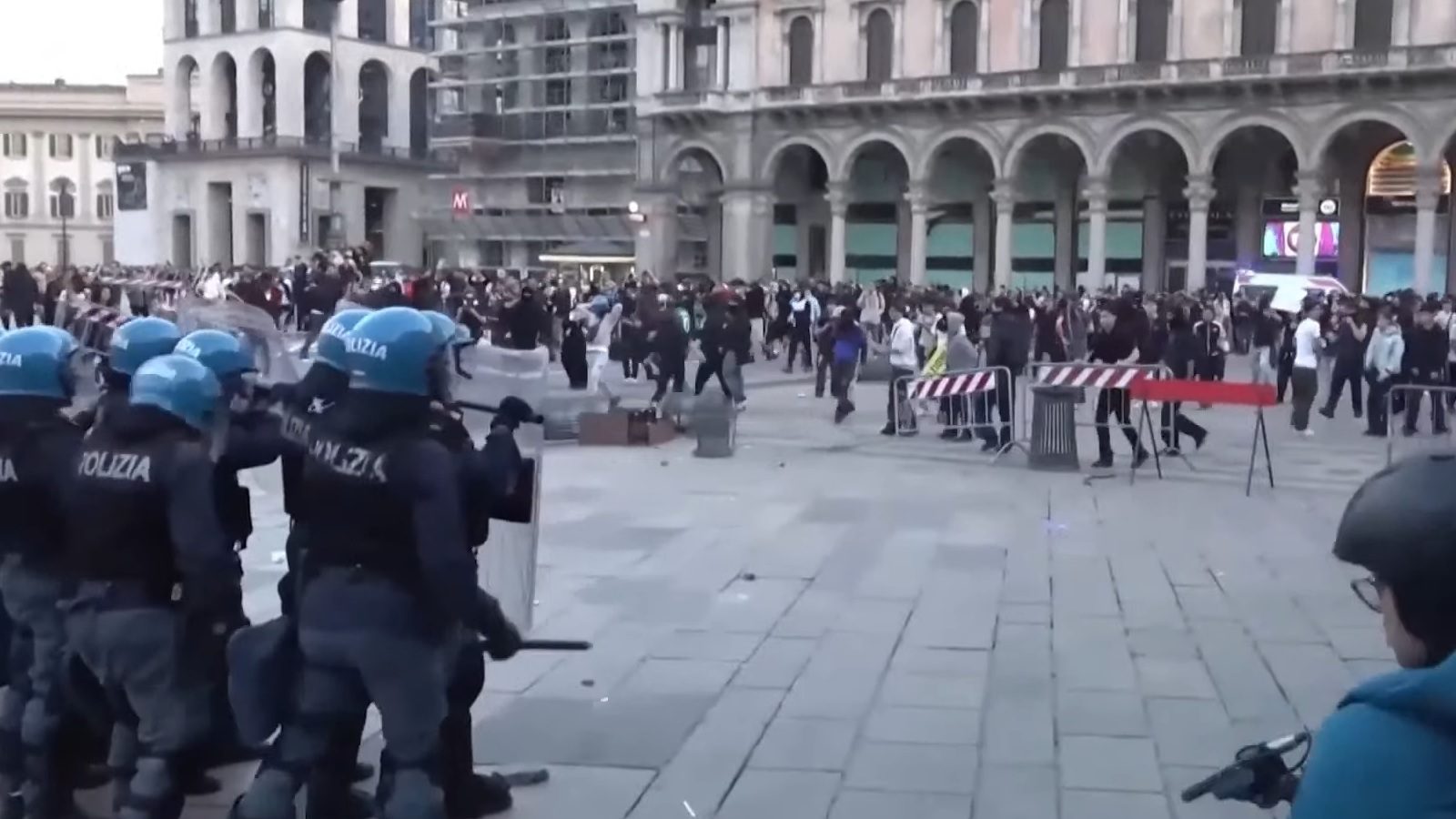
Italian officials have also signalled a stepped-up security posture after several days of unrest, looting and clashes with police. Prime Minister Giorgia Meloni announced tougher measures including extending preventive detention to minors and a reinforcement of security forces in Milan: "Preventive detention, which until now applied only to adults, will also apply to minors. By the end of the year another 500 soldiers will be deployed in Milan. In addition to the police and the Carabinieri, we will engage an additional number of judges in the juvenile justice system, and we will provide more places in detention facilities, because the certainty that the punishment will be carried out must also apply to those aged 16."
Thousands joined weekend protests in Turin, Milan and Bologna, with clashes reported outside Milan’s cathedral and water cannon used by police in Bologna. Across the continent the converging grievances — from cost-of-living pressures to concerns about the future of public education — are driving coordinated actions by unions, students and civic groups that show no immediate sign of abating.
Photo: press material from the event