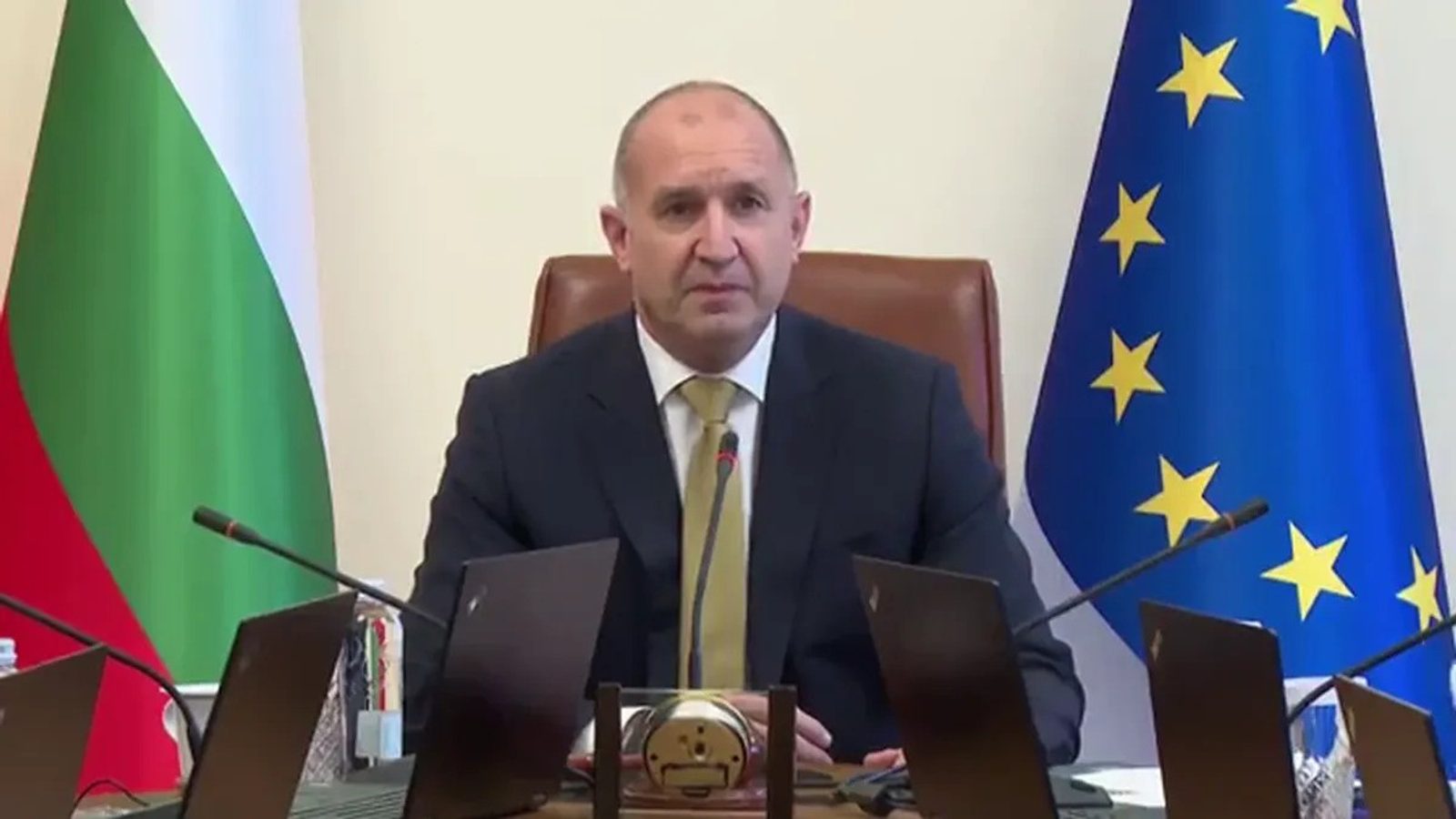
Rumen Radev’s government puts North Macedonia at the top of its 2026–2030 programme
Sofia embeds the Macedonian issue in its 2026–2030 programme and links normalisation to protection of Bulgarians; infrastructure projects to Mar 2030 are also foreseen.
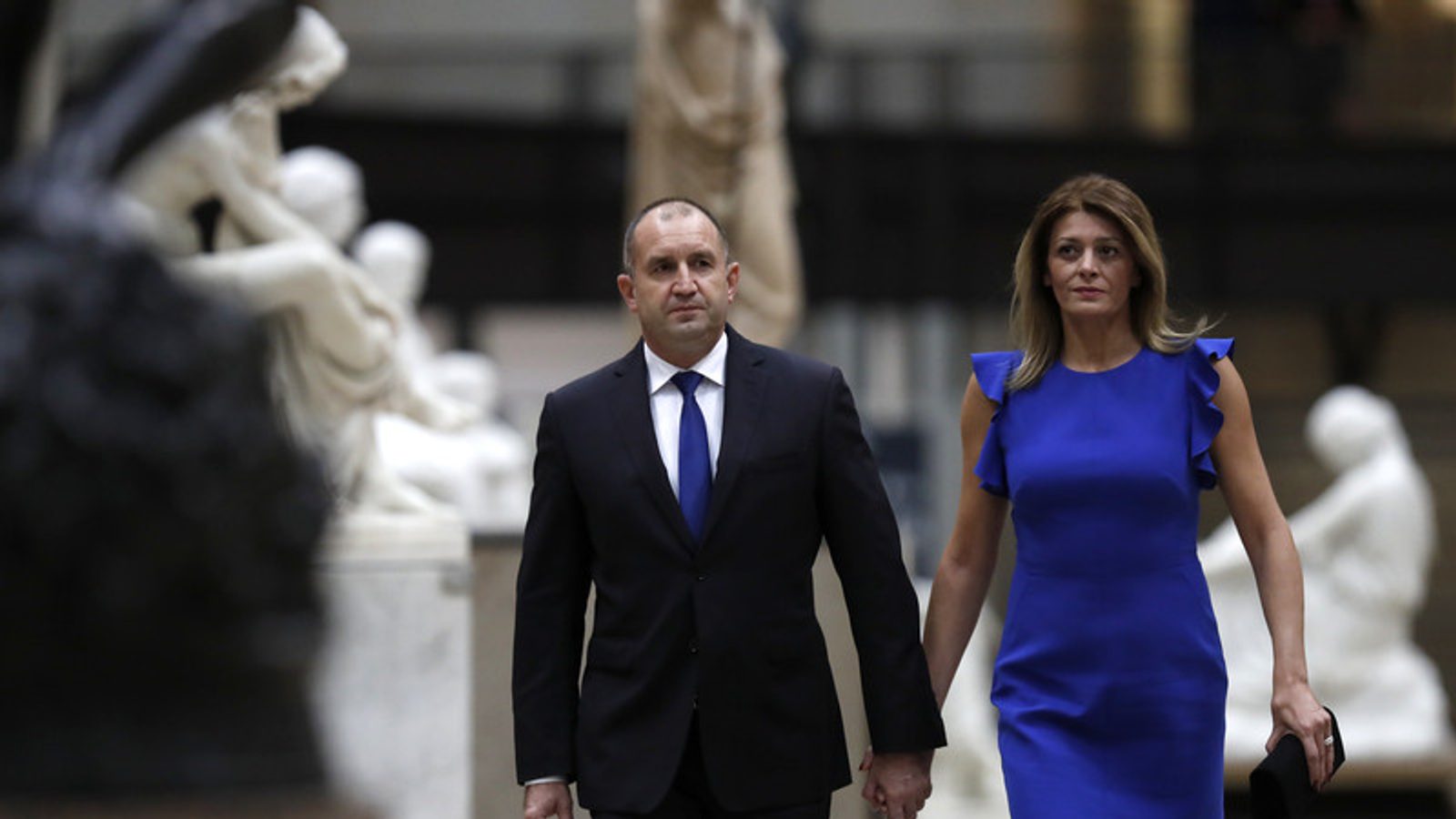
Bulgarian prime minister Rumen Radev’s government has placed the bilateral dispute with North Macedonia firmly inside its new “Management Programme 2026–2030,” giving the measure a concrete deadline: May 2030. The document names North Macedonia first under a chapter called “Active, principled and nationally responsible bilateral diplomacy,” signalling that Sofia intends to treat relations with Skopje as a sustained priority for the length of the current mandate.
The programme ties "good-neighbourly relations" with North Macedonia to the fulfilment of undertaken obligations and to what it calls the "real protection of the rights of Bulgarians" in the country, with the May 2030 deadline attached to that obligation. That wording aligns closely with the position Sofia has held since 2022: that progress depends on Skopje implementing specific commitments agreed within the EU framework.
Brussels context is central. The European Council decided in July 2022 that the next intergovernmental conference would take place only after North Macedonia completes pledged constitutional changes — including explicit inclusion of Bulgarians among the recognised communities. The Council repeated its assessment in December 2025 that the constitutional amendments had still not been finalised, and the European Commission’s 2025 enlargement package again listed the same requirement.
From Skopje, Foreign Minister Timcho Mucunski says there is contact with Sofia at different levels, but that in recent months there have been no concrete talks or proposals that would bring the positions closer. The Macedonian government seeks a predictable process and insists on guarantees that any constitutional change will not be followed by new bilateral demands.
Beyond the constitution: public diplomacy and infrastructure
Radev’s programme goes beyond constitutional matters. It foresees state support for organisations of Bulgarian communities across Southeast Europe and a programme to bolster Bulgarian organisations and media abroad, including measures to increase their capacity to counter disinformation and what Sofia calls "malicious media influence." The plan also emphasises stepped-up public, cultural and digital diplomacy, communications campaigns and international initiatives to promote Bulgaria’s foreign-policy priorities.
At the same time, Sofia proposes concrete regional cooperation projects: the building of a new Strumjani–Berovo border crossing by March 2030, a highway connection toward the Gyueshevo crossing with North Macedonia, and work on the rail link as part of Corridor 8. Those infrastructure lines are the most tangible areas where the two governments can cooperate even while political and identity issues remain unresolved.
Analysts warn the new strategy is likely to institutionalise — not abandon — the 2022 approach. A European policy centre that analysed Radev’s victory judged that the main risk for North Macedonia is not a new front but the continuation or even reinforcement of existing Bulgarian policy. The Polish Centre for Eastern Studies argues a purely bilateral settlement without external mediators is unlikely: Sofia insists on full implementation of agreed items, while Skopje fears additional conditions after constitutional changes. The 2022 EU framework, the analysts note, leaves room for bilateral topics to resurface during accession talks, and the coming years will test whether Sofia uses the 2030 deadline to narrow differences or to manage a long-term frozen dispute.
Former ambassador Risto Nikovski is blunt in his assessment of Bulgarian policy. He argues the approach is deeply rooted and backed by broad domestic institutions and external interests. "The key point is that this is not only a Bulgarian policy. It is a Bulgarian policy two hundred years old, but now someone else stands behind it. In my view, this also concerns absolute interests of America. Whoever does not understand that understands nothing. Whatever Bulgaria does, whatever strategy it invents or imagines, and whoever it puts first, Bulgaria will not change its policy toward Macedonia. It is the policy of the parties, of all the parties. It is the policy of the Government, the policy of the Bulgarian Academy of Sciences and the policy of the Macedonian Scientific Institute, which is one of the main actors on Macedonian issues. There are no doubts here and we should not deceive ourselves," he says.
Nikovski adds: "That is the definitive Bulgarian strategy. It will not change in the next at least 50, and maybe 100 years. And worst of all, behind Sofia stands Brussels. Brussels told us that our problem is the change of the Constitution, but our real problem is the Negotiating Framework. With such a Negotiating Framework Macedonia will never, I assert never, become a member of the Union." He is equally sceptical that Radev will shift course: "There is no theoretical chance that Radev will do something unexpected. He is the bearer of Bulgarian policy toward Macedonia, or, colloquially, its manager in recent years. That was as president, and now even more as prime minister. Changes should not be expected. It is absolutely extremely naive to expect that he will change that policy."
Separately, the government in Skopje has named diplomat Krum Efremov as the new Macedonian ambassador to Bulgaria, a post that will be important if bilateral talks resume.
Photo: EPA-EFE/IAN LANGSDON / POOL