Diabetes in children and adults: symptoms, risks and modern treatment options
Doctors highlight warning signs, prevention and new monitoring and insulin technologies to improve outcomes.
Diabetes is becoming more common among both children and adults in North Macedonia, and doctors warn that earlier detection and modern management change long‑term outcomes. The condition's growing presence in younger age groups has led pediatric and adult endocrinologists to stress awareness of warning signs, risks and available treatments.
What distinguishes type 1 and type 2?
Type 1 diabetes usually appears abruptly and requires insulin from diagnosis, while type 2 develops more gradually and is strongly linked to excess weight and sedentary lifestyle. Both forms raise the risk of complications if blood glucose is not kept under control, but prevention and early intervention strategies differ.
Typical symptoms to watch for include increased thirst and urination, unexplained weight loss, persistent fatigue and blurred vision. In children these signs can be mistaken for normal growth changes or common infections, so parents and primary care providers are advised to test blood glucose when symptoms occur.
Lifestyle measures — balanced nutrition, regular physical activity and maintaining healthy weight — can reduce the chance of developing type 2 and help manage blood sugar in people already diagnosed. For type 1, lifestyle supports metabolic stability but do not replace insulin therapy.
Modern therapy now extends beyond daily insulin injections. Continuous glucose monitors (CGMs), insulin pumps and tailored diabetes education allow tighter glucose control, fewer severe hypoglycaemic events and more flexibility for patients and families. Structured follow‑up with specialists and diabetes teams remains essential to adjust treatment as children grow or adults’ needs change.
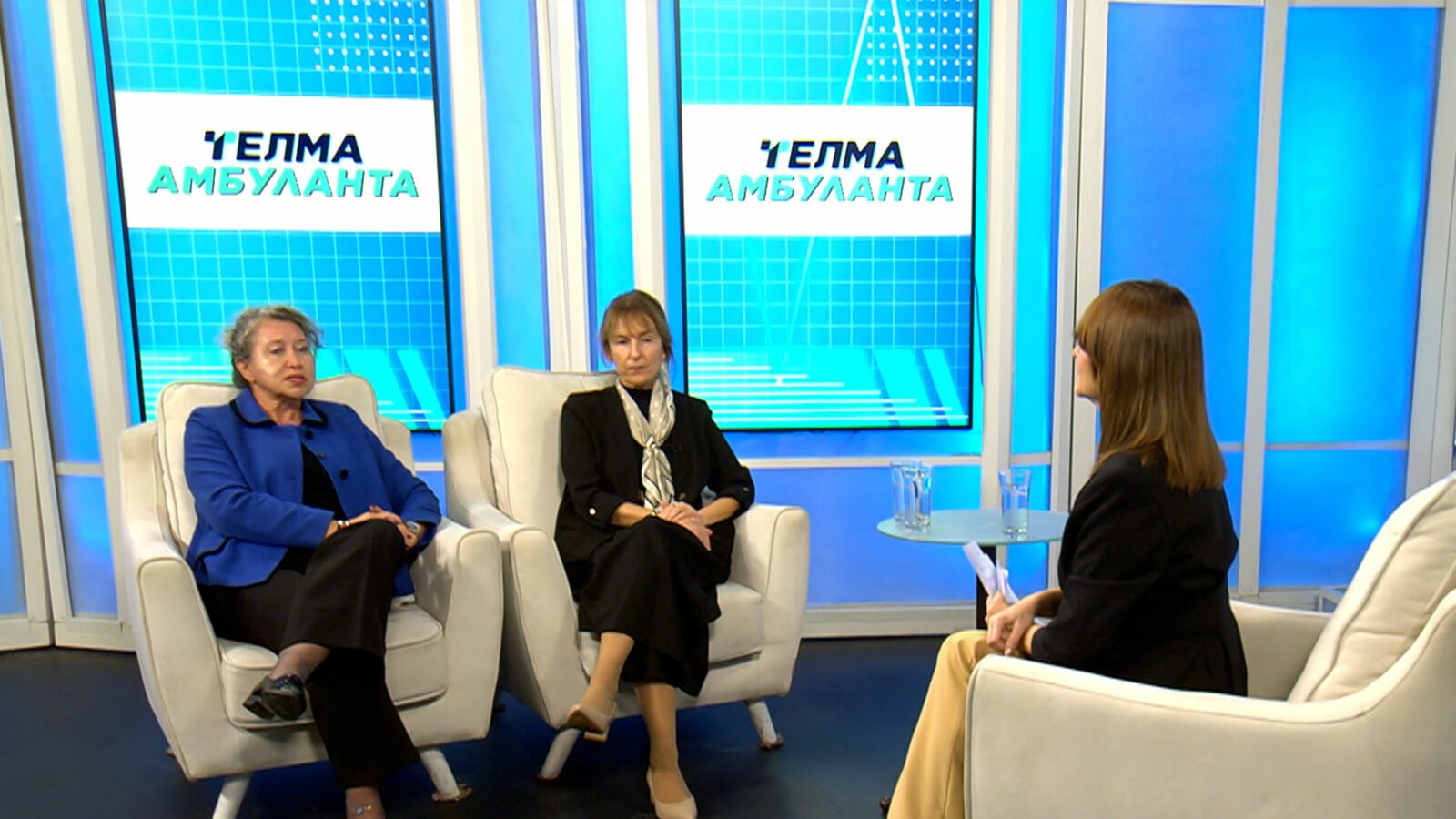
Prof. Dr. Iskra Bitoska and Prof. Dr. Aleksandra Janchevska — pediatric endocrinologist — emphasise timely diagnosis, family education and access to modern monitoring tools as central to reducing complications and improving quality of life for patients of all ages.
Photo: press material from the event