Why diesel prices are surging — refinery outages, shortages and geopolitics
Refinery downtime, a structural refining deficit and a possible US export ban are squeezing supply and hitting European transport costs.
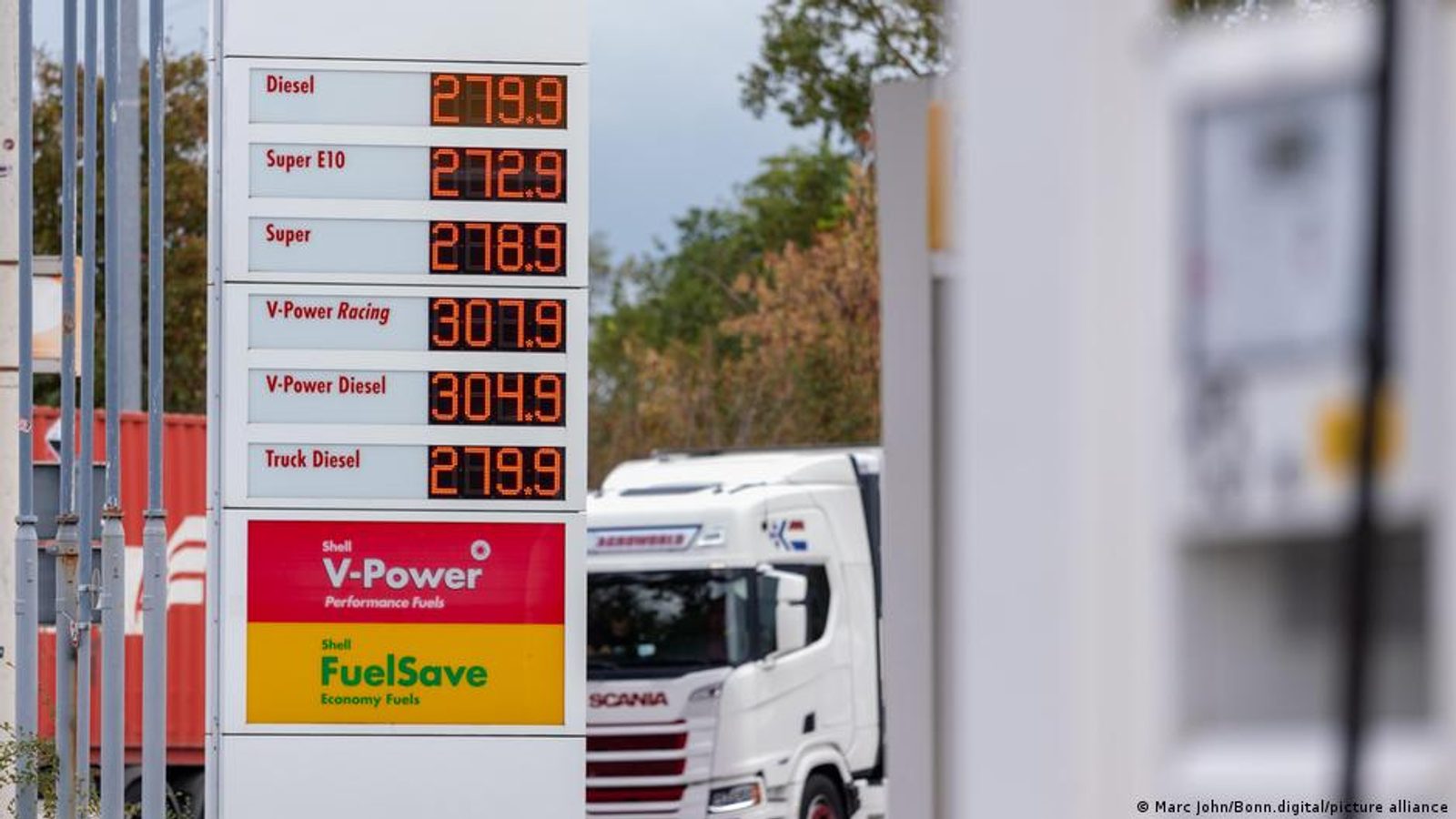
Diesel prices have climbed sharply worldwide because of refinery outages, tight refining capacity and rising geopolitical tensions — a squeeze that, if a US export ban materialises, could deepen shortages in Europe. Those are the dynamics shaping markets as of September 28, 2026.
Diesel is not just fuel for trucks: it powers much of the economy, from freight and agriculture to construction and industry. That is why diesel shortages or sudden price jumps can have a larger knock‑on effect for inflation and household budgets than equivalent increases in petrol.
In the United States the spike is striking: the Energy Information Administration reports the average weekly price for a gallon of diesel is now $6.52 (5.73 euros), up from $3.74 a year ago and $3.53 two years ago.
Supply shocks, refinery limits and political risk
Political and military attacks on refineries — and production decisions by major suppliers — have bitten into available diesel volumes. "Because it's causing a diesel shortage," President Donald Trump said on September 22 when he urged the Ukrainian president to stop attacks on Russian oil refineries, linking the strikes to higher diesel prices.
The International Energy Agency estimates Russian diesel output is down by nearly 30 percent compared with 2025, and Moscow has limited exports to protect domestic supplies. The United States has tried to make up part of the shortfall, but even US shipments have not been enough. On September 22 the US administration also said it was considering an export ban on diesel — a move opposed by major energy trade groups and one that many industry analysts warn could backfire by discouraging refinery output or raising domestic prices.
Europe is especially exposed. Bruegel senior fellow Georg Zachmann notes decades of policy incentives left Europe with a fleet skewed toward diesel. "Decades of policy incentives, such as tax breaks, have meant Europe's vehicle fleet has a much larger share of diesel cars than regions such as the US," he says. As a result, the EU runs a structural surplus of petrol and a deficit of diesel that must be imported.
Transport & Environment calculates that EU drivers now pay on average €30 more for a 50‑litre diesel fill since the start of the war in Iran; the average German long‑distance truck driver pays about €236 extra per week. Higher fuel costs for road transport in the EU amount to roughly €270 million per day, of which €203 million is diesel‑related, and the bloc faces an estimated €40 billion of additional diesel costs for road transport since the war began.
Why is diesel outpacing crude oil in price moves? "Every new wave of Ukrainian attacks shows up in diesel prices within a few days, unlike the situation with the Strait of Hormuz, where flows were reduced but then relatively stable for months," says Skip York, a fellow at the Center for Energy Studies at Rice University. He and other analysts say the market's bottleneck has shifted from a crude shortage earlier in the year to a shortage of refining capacity since August — and refinery outages translate into immediate diesel tightness because there is little spare refining capacity left globally.
Looking ahead, prolonged conflict in the Middle East or sustained disruption in Russia would widen the gap between diesel supply and demand, and a US export restriction would amplify pressure on prices in import‑dependent regions. Seasonal winter demand for heating in the northern hemisphere could further strain stocks, while the wave of refinery closures in Europe and the US since 2019 has left the market with fewer spare barrels to absorb shocks.
Photo: press material from the event