Data-centre expansion in the EU raises pressure to invest in nuclear power
JPMorgan analysis: rising AI power needs and EU capacity plans make nuclear more attractive for reliable, low‑carbon supply.
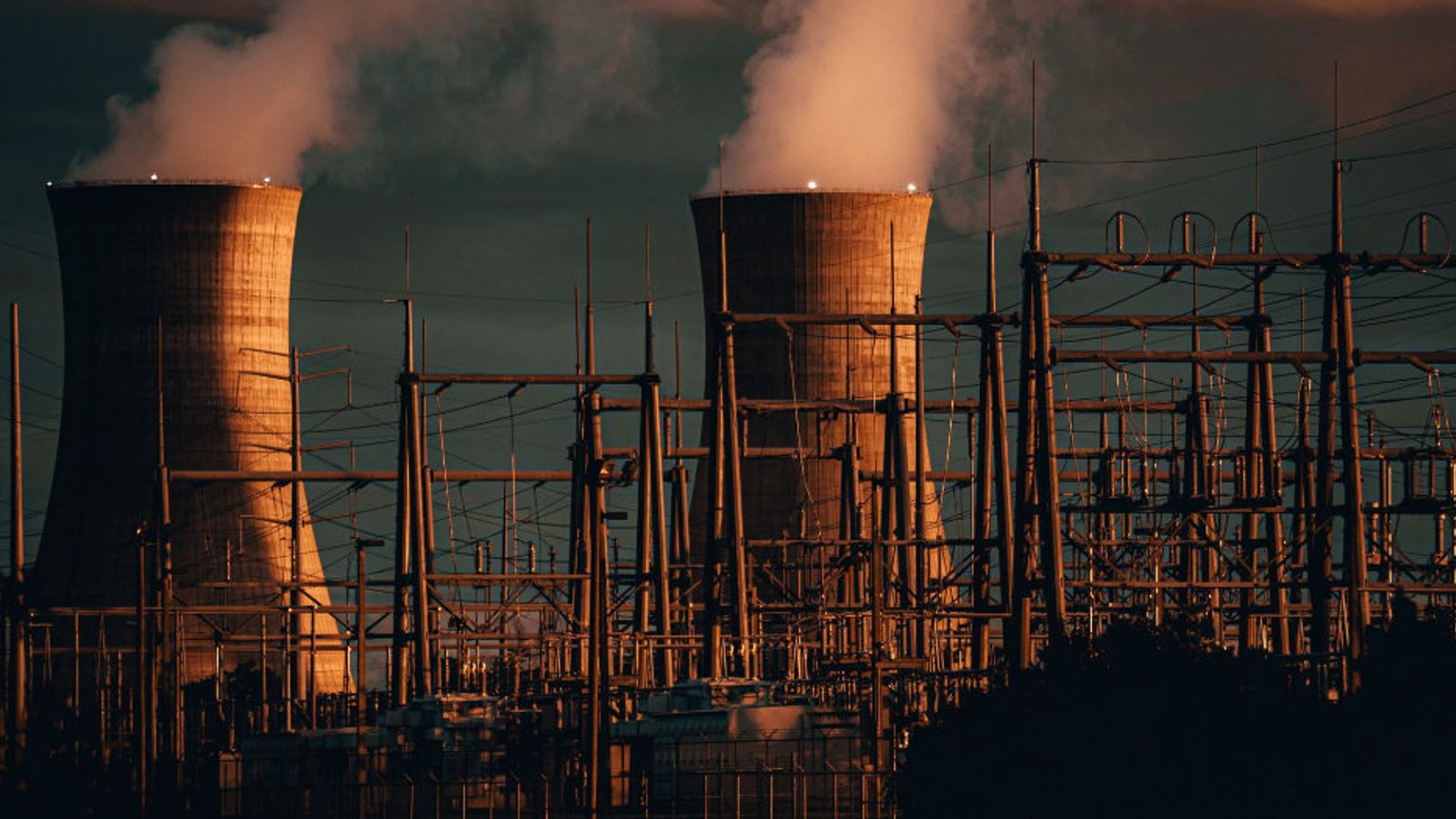
Rapid expansion of data centres across the European Union is already reshaping investment priorities, pushing some investors toward new nuclear power projects as governments seek both decarbonisation and greater energy security, an analysis by investment bank JPMorgan finds.
AI demand and power needs
Worldwide, data centres account for roughly 1.5 percent of electricity consumption, or 415 terawatt-hours. That load is forecast to more than double to 945 terawatt-hours by 2030, driven largely by the computing demands of artificial intelligence. In Europe today data-centre consumption is about 70 terawatt-hours, and European Commission projections cited in the JPMorgan report put a possible rise to around 115 terawatt-hours by 2030.
JPMorgan expects that, compared with 2023, annual electricity demand from European data centres could increase by an additional 89 terawatt-hours by 2030. The bank’s analysis highlights that the Iberian Peninsula and the Nordic countries are likely to account for roughly 45 percent of that growth, concentrating much of the new load in specific regions.
Industry research firm Egir Insights shows the scale of planned expansion: projects announced in Europe by the end of 2025 amount to 66.1 gigawatts of capacity, compared with just 10.8 gigawatts of active capacity today. Those figures underline how quickly demand could outstrip current supply patterns.
For investors and policy makers, the combination of rapidly rising, baseload-hungry AI workloads and the EU’s drive for technological sovereignty strengthens the case for nuclear power as a low-carbon, reliable source to underpin large data-centre clusters.
The European Commission this month proposed a common ranking scheme for data-centre capacities intended to make reporting on water and electricity use more transparent and to encourage more sustainable operating models — a move that could influence where new capacity is built and what kinds of generation it relies upon.
Photo: Peksels)