Emergency reform: paramedic nurses and 100 new ambulances proposed
The ministry plans to retrain nurses as paramedics and create an independent Emergency Centre; officials say vehicles alone won’t fix staff shortages.
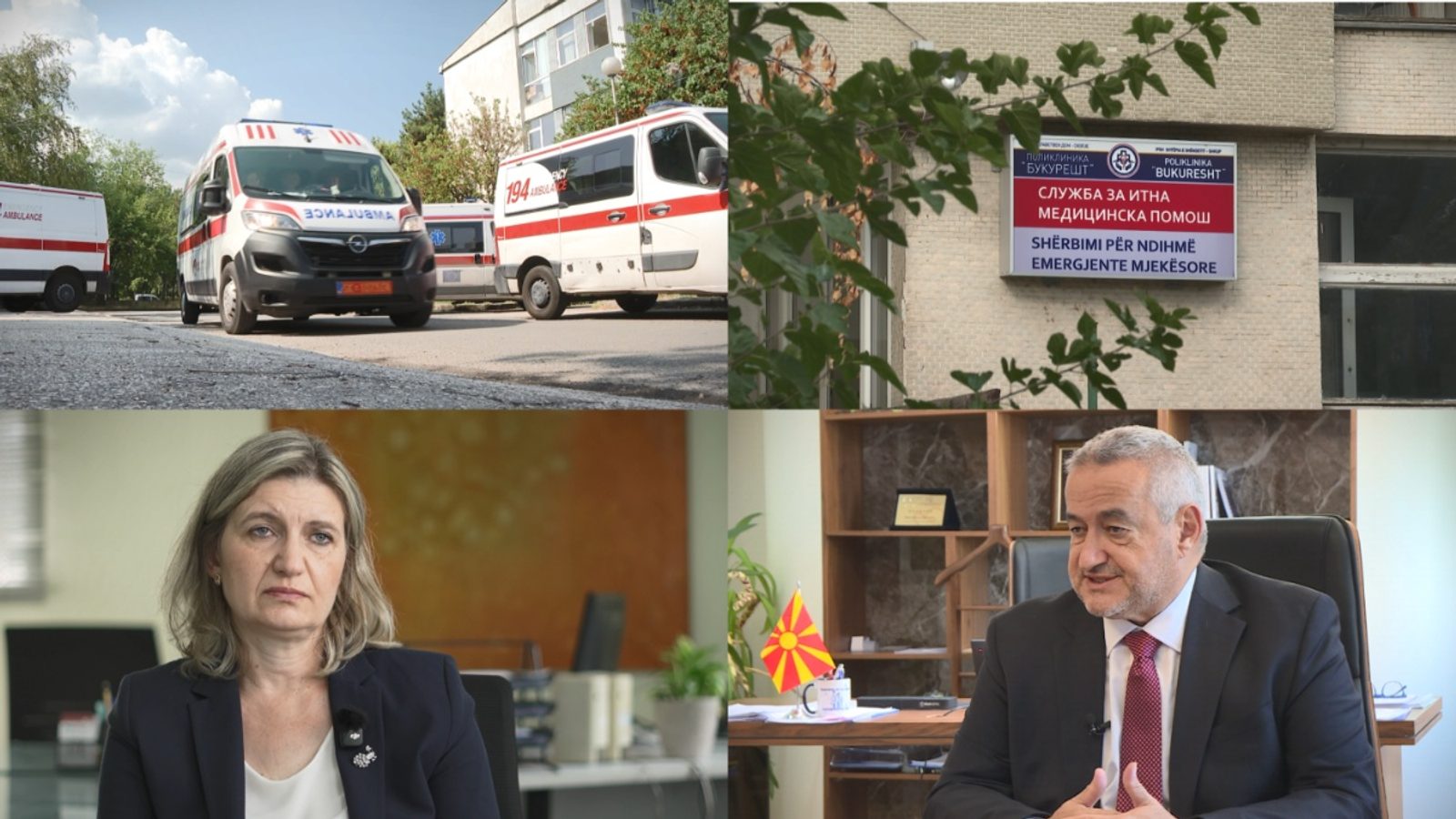
North Macedonia is preparing a major reorganization of its emergency medical response that would shift frontline responsibilities to specially trained nurses and add new ambulances, the health ministry says. The plan foresees training nursing staff as paramedics at the Medical Faculty in Skopje and the purchase of 100 ambulance vehicles, while the Emergency Medical Service would be spun off into an independent centre.
New team model and persistent staff shortage
Health Minister Sasho Klekovski presented the reform direction after visiting Ljubljana’s dispatch centre, saying the Slovenian experience showed that in roughly 80% of interventions a physician is not required. He has proposed that ambulance teams be led by a nurse who receives additional paramedic training. "That does not mean there will be no doctors in the Emergency Medical Service at all — they can be available for backup, as a 'plan B', to tele-supervise the work," Klekovski said.
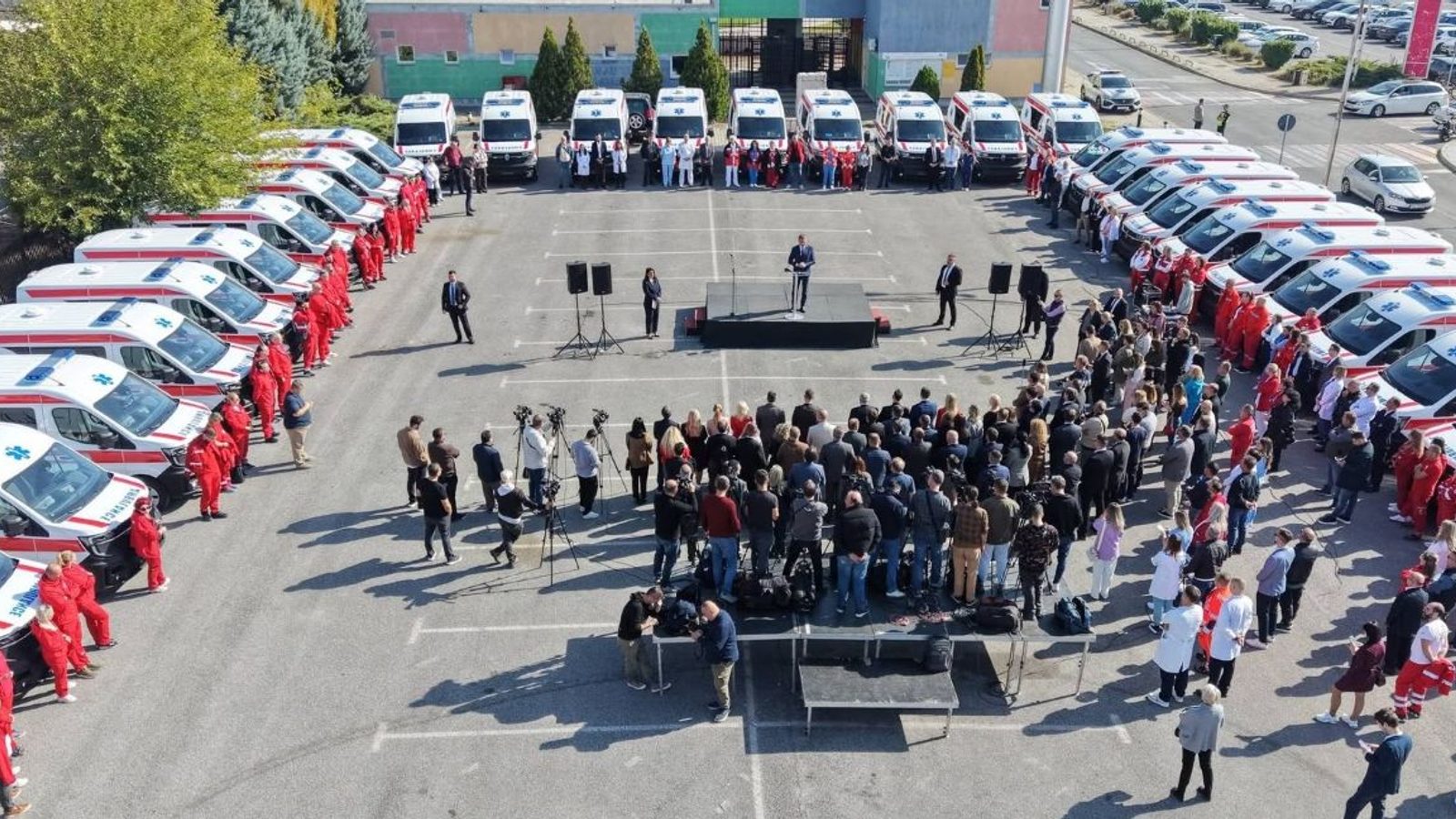
The announcement accompanies the recent presentation of 100 new ambulance vehicles, but officials warn that vehicles alone will not resolve the chronic staff shortage. Dr. Anita Dimovska, head of Emergency Medical Service in Skopje, says the capital is currently covered by six medical teams during daytime shifts and five at night, far below the 12–15 teams needed to cover the city and its commuter population.
"We are far from the average number of teams needed, which should be up to 15 per shift to cover the entire population of the city," Dimovska said, stressing that weekday demand and traffic make shifts tougher for crews. She described how, in a busier staffing period during 2015–2016 with 12–13 teams, the service carried out up to 120 interventions per shift, while the present capacity yields roughly 50–60 interventions on average.
In June this year the Government approved a proposal from the Ministry of Health for the Emergency Medical Service to become a separate centre. Officials say the move aims to shorten intervention times, improve emergency response capacity and open opportunities for new hires, including doctors who would receive specialisation in emergency medicine and be required to remain employed in the service.
Klekovski also outlined plans to introduce triage categories similar to Slovenia’s model — red for immediate response, yellow for delays of one to two hours, and green for cases that can wait until the next day — to use limited resources more efficiently. The reform proposal remains under analysis by a working group, and ministry representatives say the changes should be implemented as soon as possible given current staffing pressures.
Photo: press material from the event