Audit finds serious gaps in North Macedonia’s protection and rescue system
State Audit Office warns of firefighter shortages, ageing vehicles, and absence of an updated national strategy for protection and rescue.
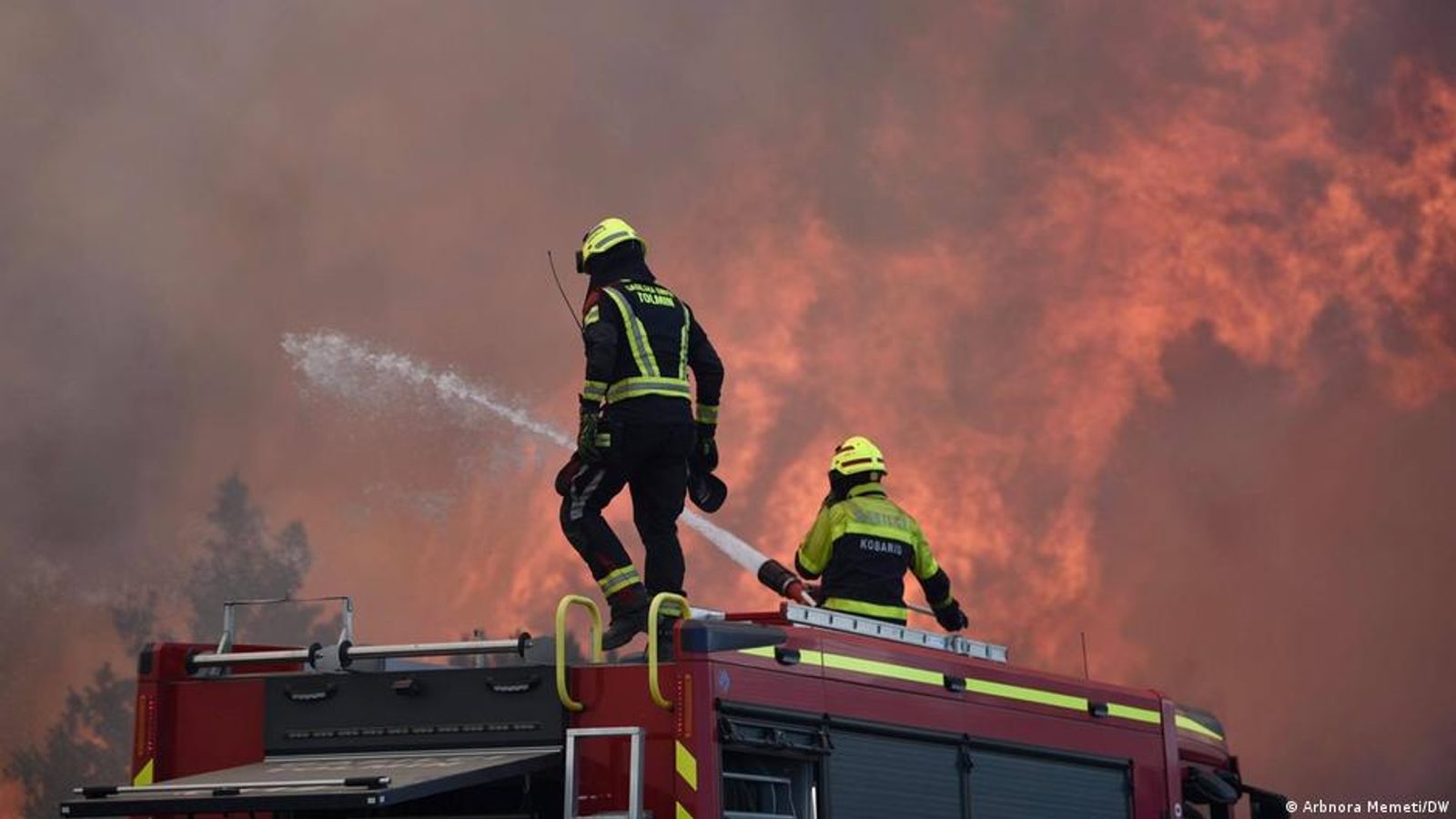
An audit by the State Audit Office (SAO) has flagged deep, system‑wide weaknesses in North Macedonia’s protection and rescue framework, warning that the country is increasingly exposed to fires, floods and extreme weather while preparedness and resources lag behind rising risks.
Key findings on fires, equipment and planning
The performance audit, titled "Building a crisis management, protection and rescue system through investments in equipment and resources, maintenance of assets to increase operationality, efficiency and effectiveness," found major shortfalls across personnel, vehicles, logistics and planning. The report notes that the country lacks an adopted national strategy for protection and rescue: the previous strategy expired in 2018 and a draft for 2026–2030 has not been approved. The annual protection and rescue programme has not been adopted, the Plan for protection and rescue is not updated, and there is no evidence the plan was approved by the Government. The national hazard assessment dates from 2007 and is not aligned with current risks and climate change.
The audit cites fire statistics that underline the urgency: according to the European Forest Fire Information System (EFFIS), 97,660 hectares burned in 2024 — the highest level in the last decade. Public Enterprise "National Forests" reports 82,714 hectares burned in the 2023–2025 period, 914,657 cubic metres of timber destroyed, and total damage estimated at 133.6 million euros; damages in 2024 alone exceeded 83 million euros.
The report highlights acute human‑resource gaps in the Skopje Fire Brigade, which serves roughly 617,000 residents. Of 384 authorised firefighter positions only 172 were filled — a shortfall of 212 firefighters, or 45 percent staffing. The brigade’s fleet is ageing: the average age of fire vehicles is 32 years and the oldest trucks are in use for 56 years.
Despite limited capacity, Skopje firefighters responded in 2024 to 1,412 fires and carried out 161 technical interventions, a 22 percent increase in fires compared with 2022. In 1,022 incidents — about 72 percent — the cause of ignition remained undetermined. The audit also raises concerns about aerial firefighting readiness: problems with personnel, logistics, procurement, maintenance and insurance of air tractors could reduce rapid response in large forest fires. Expenditure for servicing, spare parts and insurance of aircraft in the 2023–2025 period amounted to nearly 150 million denars.
Inspectorate and asset management weaknesses compound the operational risks. The Protection and Rescue Directorate employs only 14 inspectors nationwide while at least 70 are estimated to be required, leaving a deficit of 56. Twenty‑one of 35 regional units have no inspector at all. Information provided to the Government in February 2026 states that, at the current pace of roughly 1,300 inspections per year, it would take 55 years to inspect all legal entities; to perform an annual regular inspection of 72,181 active enterprises would require 322 inspectors.
The directorate manages more than 30 warehouses but has no integrated material and financial tracking system; a full inventory has not been completed and movements of assets are not monitored. Recorded asset value fell from 6.59 billion denars in 2024 to 3.83 billion denars in 2025 — a 41.9 percent decline. Funding for protection and rescue between 2022 and 2024 exceeded 2.23 billion denars, but 98.5 percent went to current expenditures (mainly salaries and allowances) and only 1.5 percent for capital investments, equipment and vehicles — a structure that limits modernization.
The audit points to positive local examples: the Municipality of Ohrid and the Red Cross Ohrid Mountain Rescue Service have established functional systems with secured funding, trained personnel and operational preparedness aligned with international standards. The SAO’s findings underscore an urgent need for a coherent strategy, targeted investments and strengthened inspection and asset‑management capacity to close gaps before the next season of elevated fire risk.
Author: Daniela Trpchevska‑Zafirovska
Photo: press material from the event