Russia imposes three-month export ban on certain petrochemicals outside the EAEU
The measure targets coal and petroleum benzoles, toluene, o‑xylene, p‑xylene and phenol while allowing transit, humanitarian deliveries and EAEU shipments.
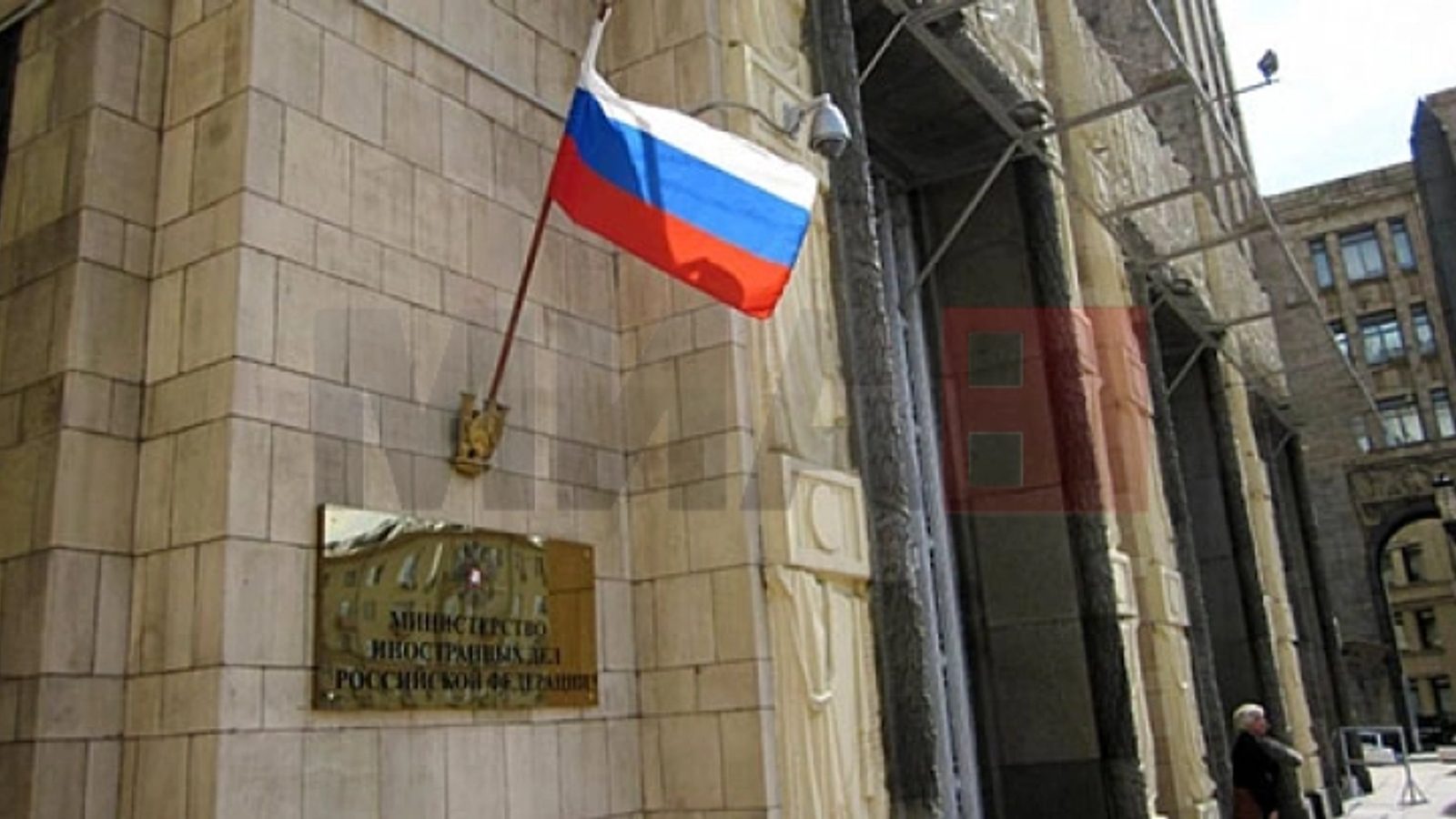
The Russian government has imposed a temporary three-month ban on exports of several petrochemical products to countries outside the Eurasian Economic Union (EAEU), citing the need to secure stable supplies of feedstock for domestic industry.
The restriction, introduced by a government decree, covers "coal tar and petroleum benzoles, toluene, orthoxylene, paraxylene, and phenol," chemicals widely used in paints and coatings for the automotive and aviation sectors, shipbuilding and rail manufacturing, food packaging, flooring and cable-insulation materials, and some medical products.
([interfax.com](https://interfax.com/newsroom/top-stories/119773/?utm_source=openai))Exceptions and international transit
Exports to EAEU member states are excluded from the ban. The measure also does not apply to petrochemical shipments that are part of international transit, consignments of international humanitarian aid, or deliveries intended to support the activity of Russian organisations on the Svalbard archipelago.
([kommersant.ru](https://www.kommersant.ru/doc/9078756?utm_source=openai))Russian authorities framed the move as aimed at maintaining uninterrupted supply of critical raw materials for local manufacturers. The decision follows earlier export restrictions Moscow has placed on various fuels and energy products in recent months.
([vedomosti.ru](https://www.vedomosti.ru/business/news/2026/11/02/1241922-kabmin-vremenno-zapretil?utm_source=openai))Market participants and foreign buyers are likely to monitor how the ban is implemented in practice, including the scope of permitted transit shipments and any licensing procedures introduced by Russian customs and regulatory bodies.
([interfax.com](https://interfax.com/newsroom/top-stories/119773/?utm_source=openai))Officials published the decree at the end of October; the restriction will remain in force for three months unless authorities extend or alter it.
([portal-yuridicheskih-uslug.ru](https://portal-yuridicheskih-uslug.ru/novosti-rossii/official-1734/?utm_source=openai))Photo: press material from the event