Russians angered by Montenegro visa plans — will capital relocate?
Planned visas for citizens of several countries may not halt current investments in Montenegro but could deter new entrepreneurs and property buyers, analysts warn.
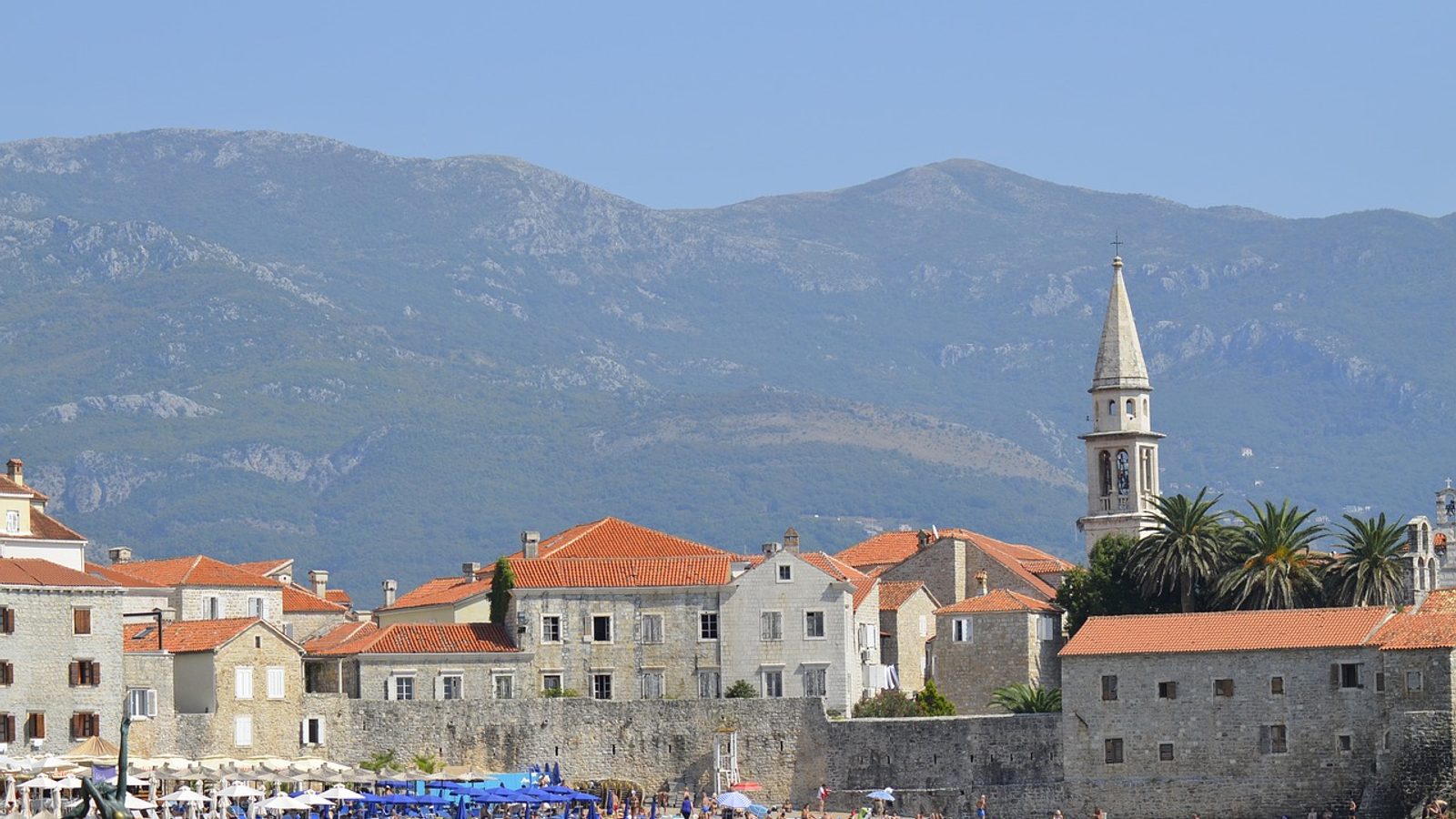
Montenegro's plan to introduce visas for citizens of Turkey, Russia, Belarus, Saudi Arabia and for individual travellers from China has raised alarm among foreign entrepreneurs and property buyers, and analysts say it could slow the flow of new businesses and real-estate purchases even if it does not stop existing investments.
Visas add friction — especially for small investors
Introducing a visa requirement does not legally bar foreigners from forming companies, buying property or investing capital in Montenegro. Still, officials and market observers warn that extra steps — application costs, paperwork and uncertainty around arrivals — make every initial business visit more cumbersome, from first market scouting and partner negotiations to opening a bank account, purchasing an apartment or overseeing an investment project.
That means the immediate impact is likely to be modest for large, established deals but significantly greater for the thousands of small firms founded in recent years by foreign nationals to relocate, work as self-employed professionals, provide IT and consulting services, engage in trade, operate hospitality businesses or trade in real estate.
Official statistics for 2024 show there were 29,960 active business entities with foreign ownership in Montenegro, a rise of 23.4 percent compared with 2023. The number of companies owned by Turkish nationals rose from 6,866 to 9,818 — roughly a 43 percent increase — while Russian-owned firms fell from 7,792 to 7,188, a drop of about 7.8 percent. Ukrainian companies increased from 910 to 1,069. Together, Turkish and Russian citizens control 17,006 active foreign companies, equal to 56.8 percent of the total.
Economist Ervin Pašanović believes the visa measures will make it much harder for Russian investors to operate in Montenegro, chiefly because of the new travel restrictions and complications around moving money. He points to coastal property preferences among Russians and a broader tendency to favour Croatia because EU membership — and the residence options tied to investment there — opens access to the Schengen area.
As Pašanović put it, "Russian citizens traditionally prefer coastal real estate, and their first choice in the Balkans is Croatia, because EU membership and the possibility of gaining residence through investments open access to the Schengen area. This is an important motive for them when investing." He also noted that Montenegro previously ran a so-called "golden visa" scheme that allowed residence permits for property purchases of a certain value, and warned that neighbouring states could design attractive programmes to capture diverted capital. "Serbia could take advantage of circumstances caused by the conflict in the Middle East, but also the restrictions faced by Russian investors. The key is to design programmes that will be attractive enough to draw part of that capital," he said.
Market participants expect that while major transactions and already-committed funds will probably continue, the rate of new company registrations, short-term business visits and residential purchases by foreign buyers could slow — with small enterprises and housing markets in Podgorica, Budva and Bar the most exposed. Regional competition and the broader process of EU accession will also influence how capital is redirected across the Western Balkans.
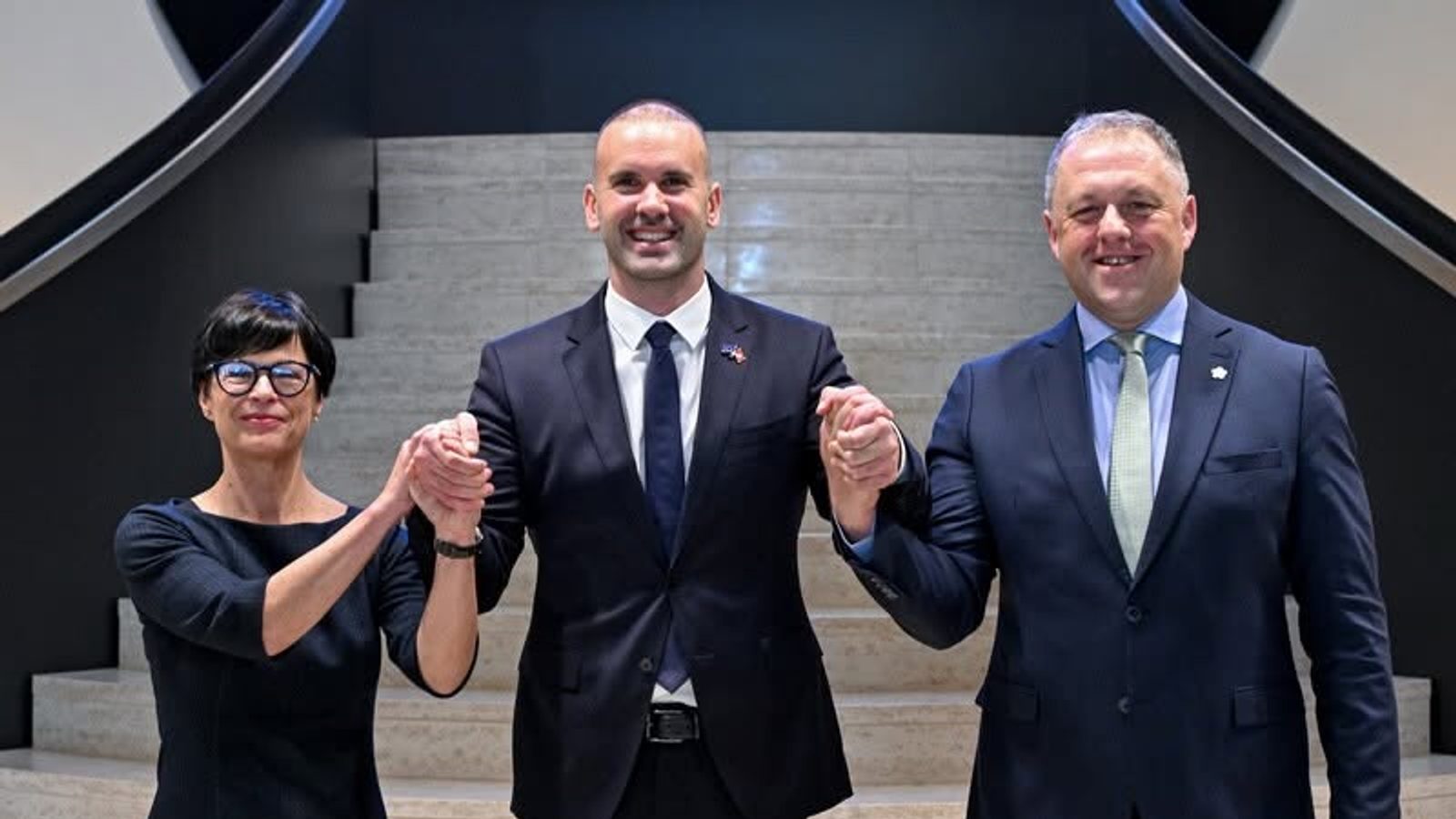
Photo: press material from the event