Arctic summit in Rovaniemi highlights need for bigger EU defence spending
European leaders asked the EU to allocate larger funds for defence, military mobility and Arctic infrastructure amid rising Russian and Chinese activity.
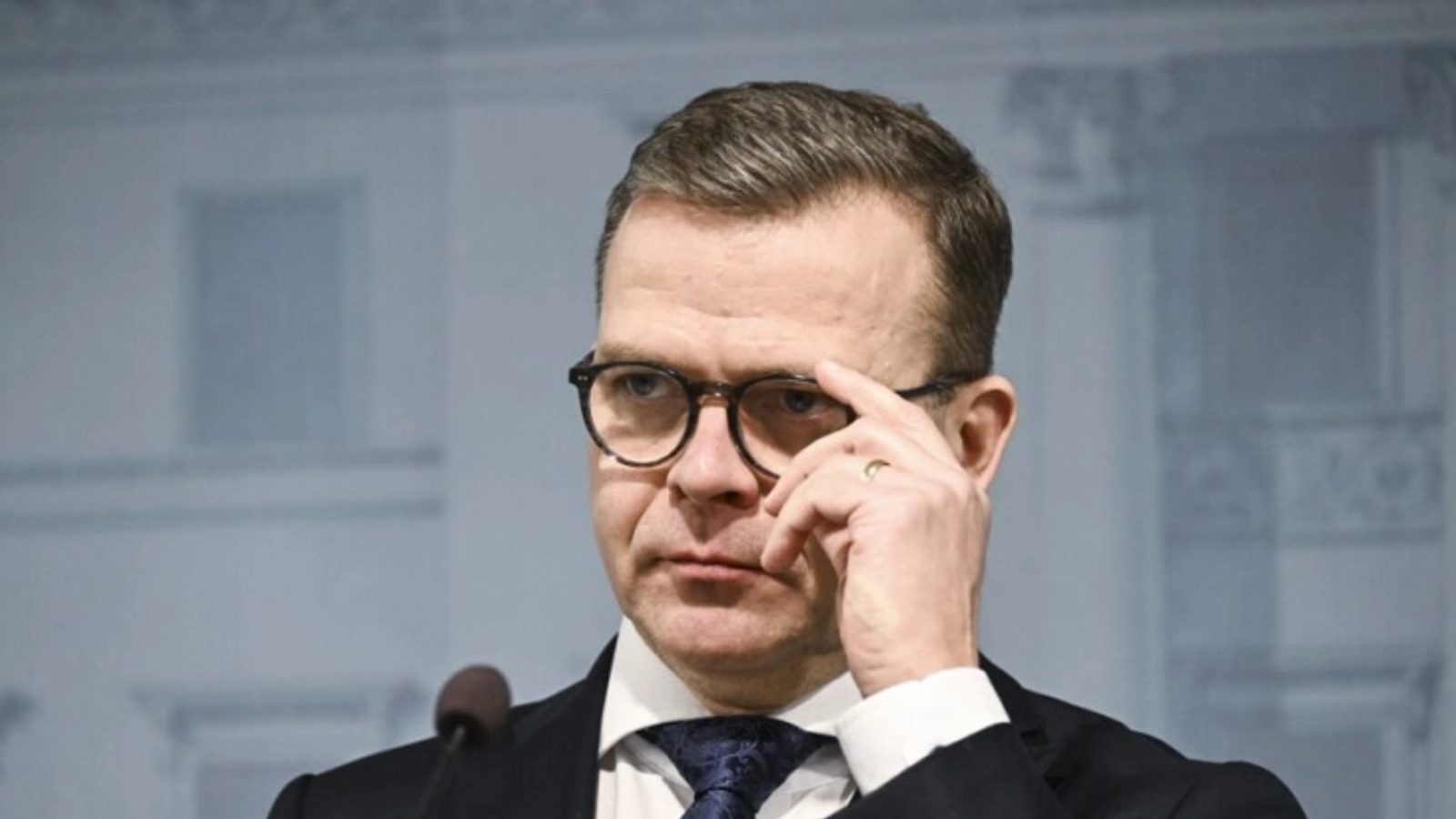
Leaders from several European countries met in Rovaniemi, Finland, for a summit focused on Arctic security, urging the European Union to increase defence spending and strengthen military mobility in response to rising activity by Russia and China in the High North.
Calls for bigger budgets and faster military mobility
Host Prime Minister Petteri Orpo pushed for larger EU investments in Arctic infrastructure that has security significance, pointing to Finland’s long border with Russia — roughly 1,340 kilometres — as a strategic frontline. He told attendees that the contest for influence in the region makes shared action by the EU and the United States necessary.
Orpo said, "Europe is defending itself here," and warned that Moscow’s and Beijing’s moves to exploit the Arctic heighten the need for a more assertive European posture. He added that the Arctic is where interests overlap and that the United States also wants Europe to shoulder part of its defence burden.
A draft final communiqué circulating among participants calls on the EU to take a "post-strategic and proactive role" by committing substantially higher funds for defence, as well as for measures to counter hybrid threats. The paper highlights investment priorities including roads, railways, digital networks, satellite systems and the mobility of forces.
Brussels has proposed a package of €131 billion for defence, security and space programmes in the next budgetary framework — about five times the current available funding — and envisages military mobility spending rising up to tenfold. Summit discussions also covered joint procurement and shared use of icebreakers, given increasing shipping and strategic importance in the Arctic driven by climate change.
Present at the summit were German Chancellor Friedrich Merz, European Council President Antonio Costa and EU High Representative for Foreign Affairs and Security Policy Kaia Kallas, together with leaders from Denmark, Poland, Romania and the Baltic states. France was represented by Jean‑Noël Barrot. Finnish military officials said they expect Russia to possibly strengthen its Arctic forces further after the war in Ukraine, noting the importance of the Kola Peninsula where parts of Russia’s nuclear triad, including the Northern Fleet and ballistic‑missile submarines, are based.
Photo: press material from the event