Remediation at Shum spring in Struga still not started seven months after contamination
Public Enterprise "Vodovod i Kanalizacija" says it awaits instructions while prosecutors and police continue probes
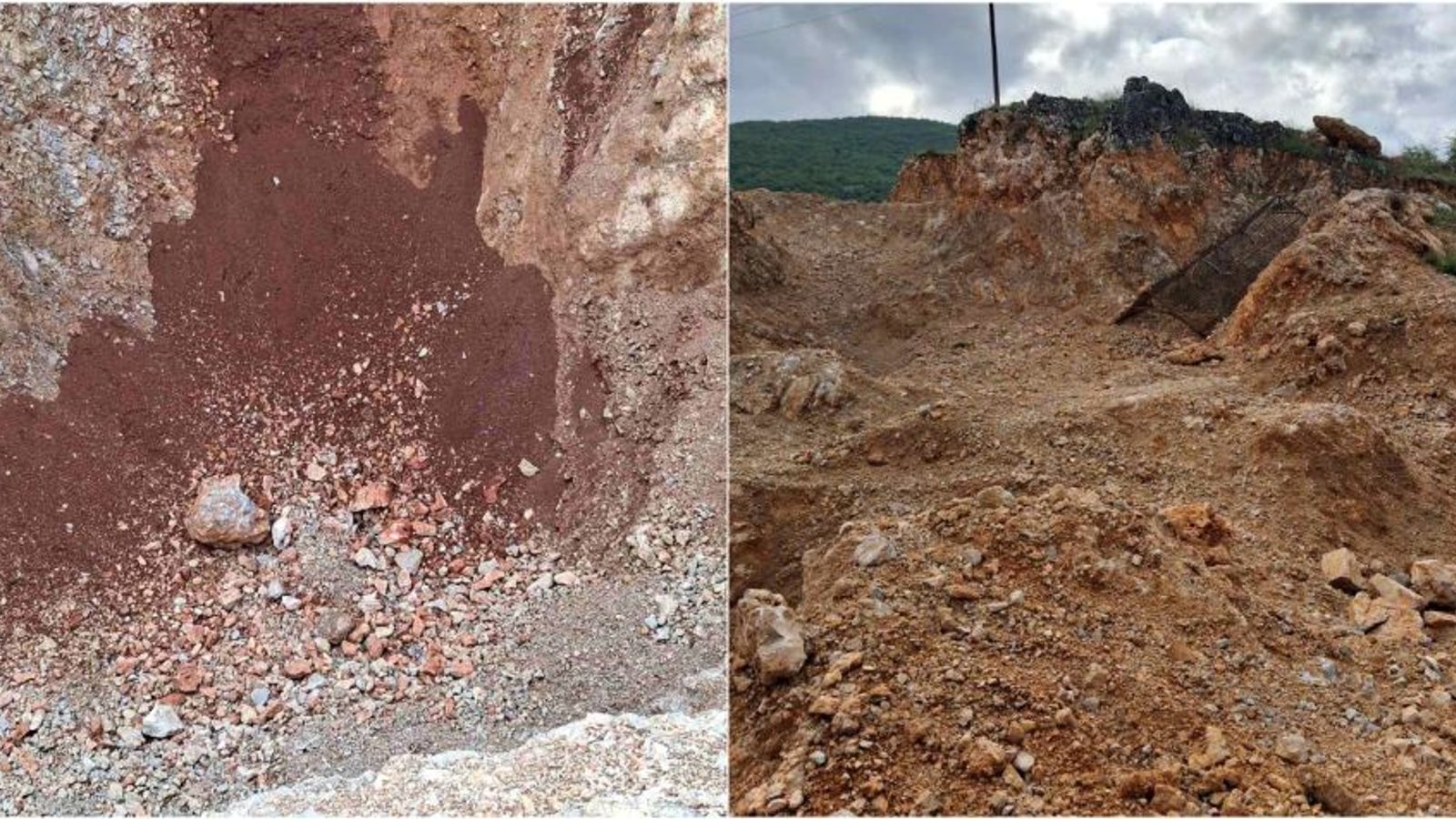
Seven months after a major turbidity event at the Shum spring, physical remediation above the source has still not begun. The municipal utility that supplies Struga and neighbouring settlements says it is waiting for instructions from competent institutions because the work requires scale and equipment the utility cannot provide alone.
Public Enterprise "Vodovod i Kanalizacija" Struga stresses that the remediation must be performed above the spring, at the cave opening where the source emerges, so that heavy rains will not wash new sediment into the drinking-water supply.
"We are still awaiting instructions from the competent authorities on how to proceed. We cannot do it ourselves. A huge amount of machinery, huge cubic metres of rock and materials are needed to carry out the remediation," said Jovancho Mechkaroski, director of Public Enterprise "Vodovod i Kanalizacija" Struga.
Investigations, criminal complaints and missing protective zones
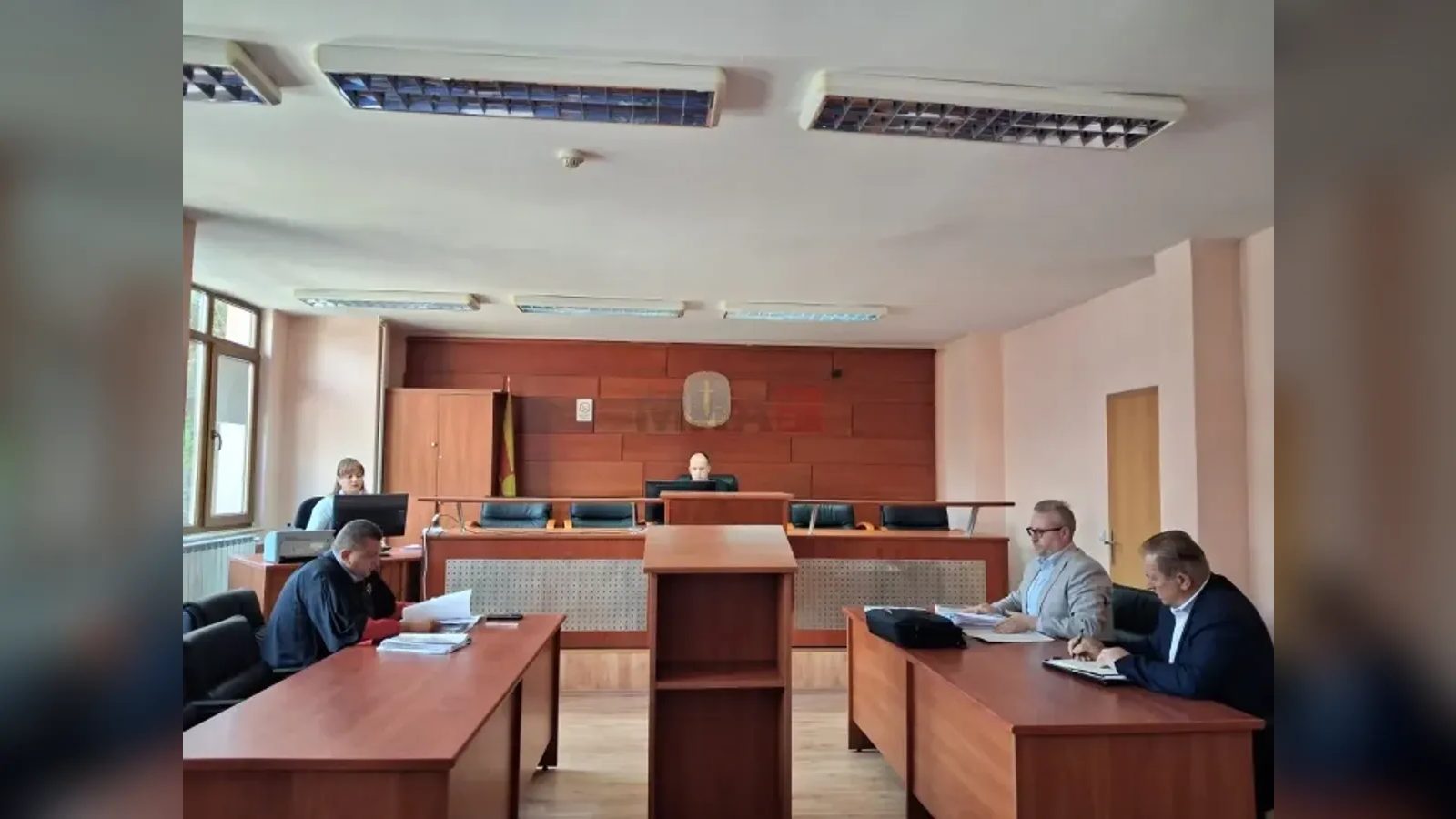
The contamination episode occurred in February, when laboratory tests registered turbidity of 28.56 NTU — far above the permitted 1.5 NTU — and drinking water from the source was banned for 11 days. The Basic Public Prosecutor's Office in Struga opened a case on 13 February to determine causes and any criminal responsibility.
Investigators later found excavation machinery belonging to two legal entities from Veleshta working close to the springs; police say those works — including breaking, digging and transport of rock — contributed to the contamination. In August the Struga police filed criminal charges against two individuals and one legal entity from Veleshta on suspicions that include illegal mining of mineral resources and pollution of drinking water.
Inspectors also found the spring had been used for years without a proper permit and without established protection zones. The inspection report notes that a one-kilometre protection zone around the source was not defined; by law that zone should be divided into three bands — a 300-metre band immediately around the spring where any excavation or movement near the source is prohibited, a 600-metre band, and a band extending to 1 kilometre — and should be physically fenced and protected.
The utility was given a deadline until 9 October to submit an application to start the procedure for obtaining a formal permit to use the source. The enterprise says it will initiate the required procedure within that timeframe. Meanwhile, the final cause of the turbidity and any legal responsibility remain subject to ongoing official procedures and expert analyses.
Photo: SDK.MK)