Saudi Arabia temporarily shuts strategic oil pipeline after Houthi rocket strikes
Riyadh stopped flow on a ~1,200 km export line after rockets hit facilities; Houthi capture of Perim adds pressure on global trade and oil markets.
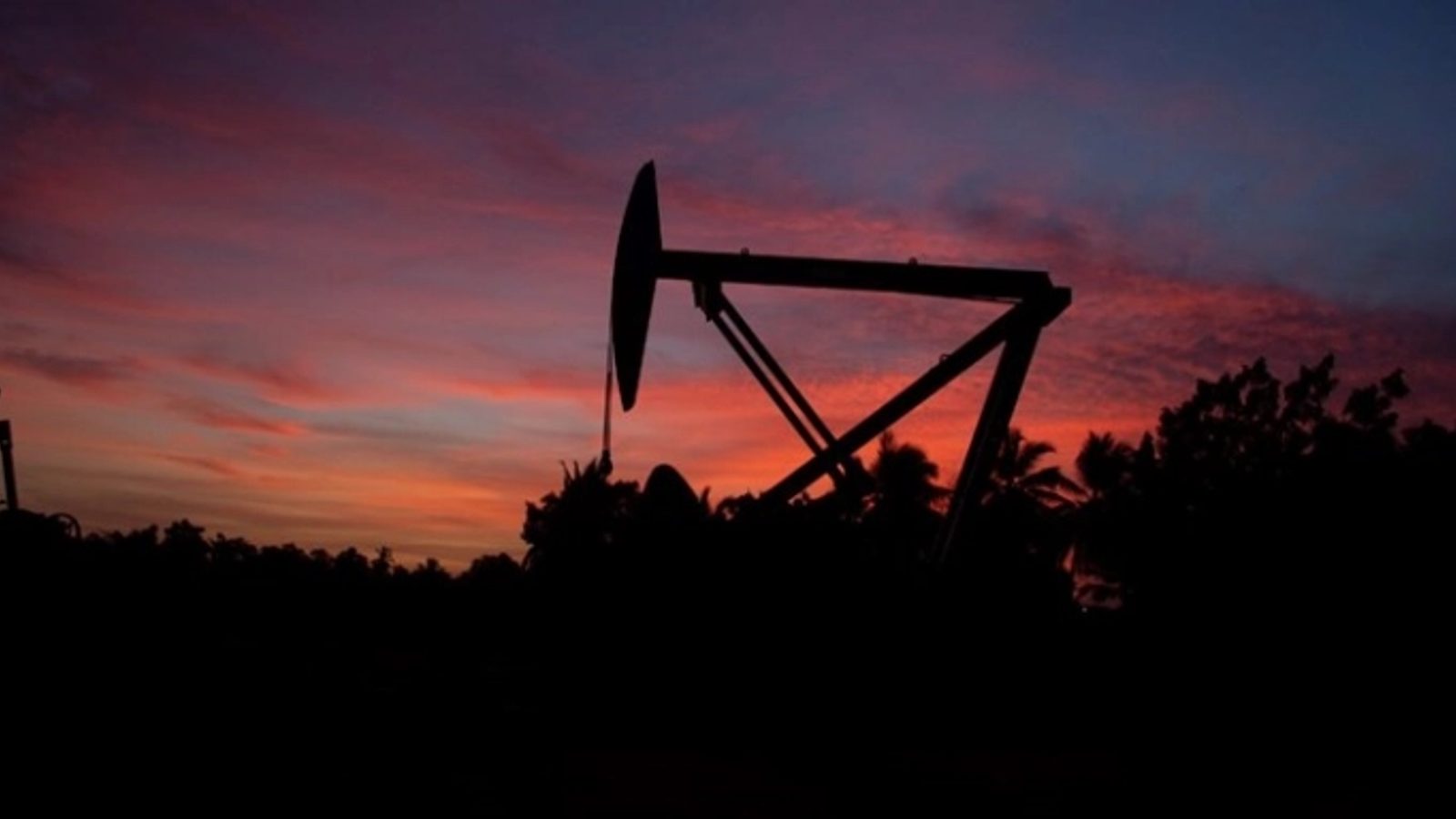
Saudi Arabia has temporarily halted the flow of crude through a roughly 1,200‑kilometre pipeline that serves as an important alternative export route after Houthi forces launched rocket strikes on several sites, Riyadh said.
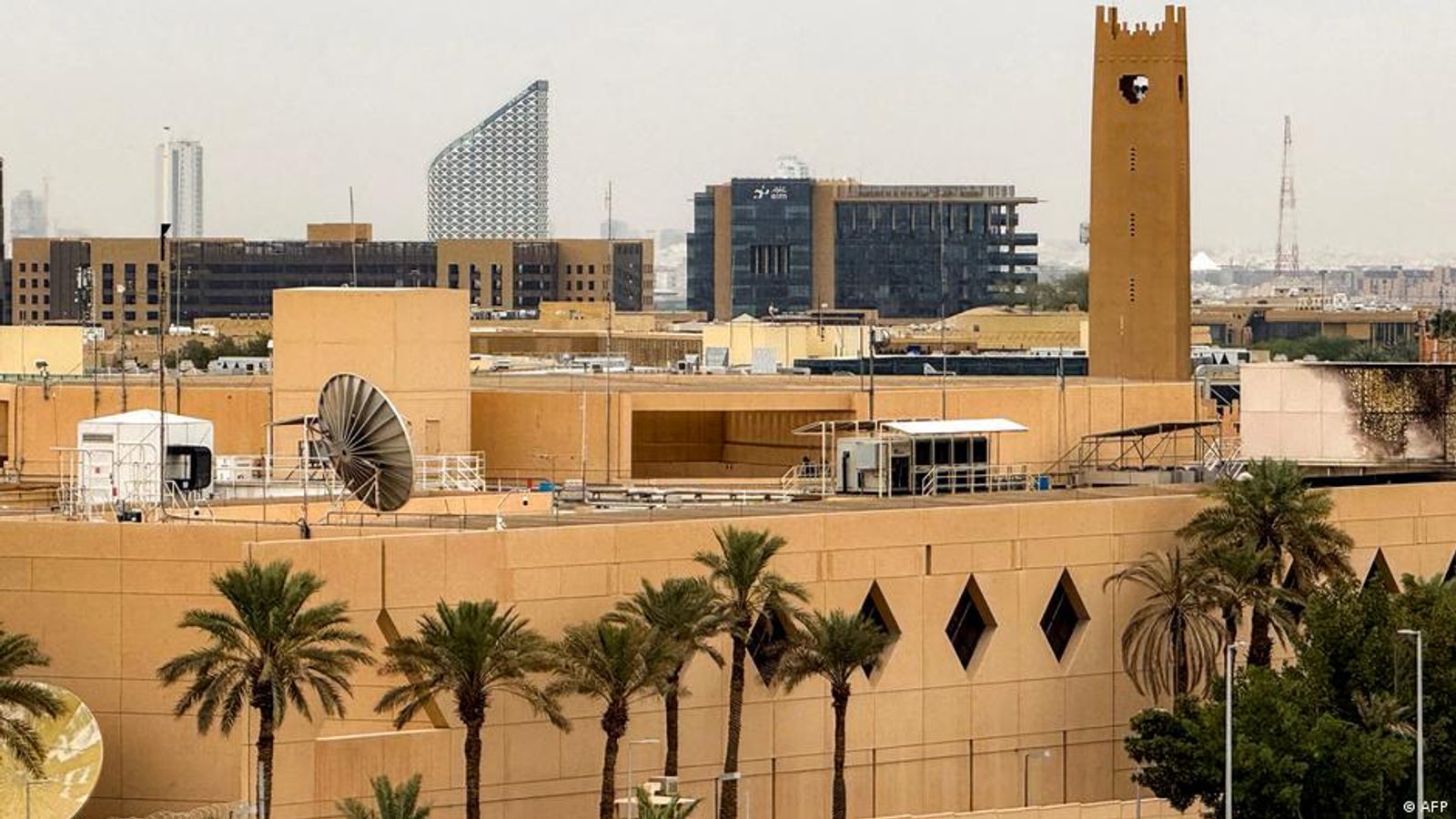
Satellite imagery showed smoke rising from facilities near Medina, and authorities reported injuries and material damage. Baghdad and Riyadh say Houthi elements crossed into Saudi targets from Iraqi territory; Iraqi authorities have removed a military commander and opened an investigation to identify those responsible.
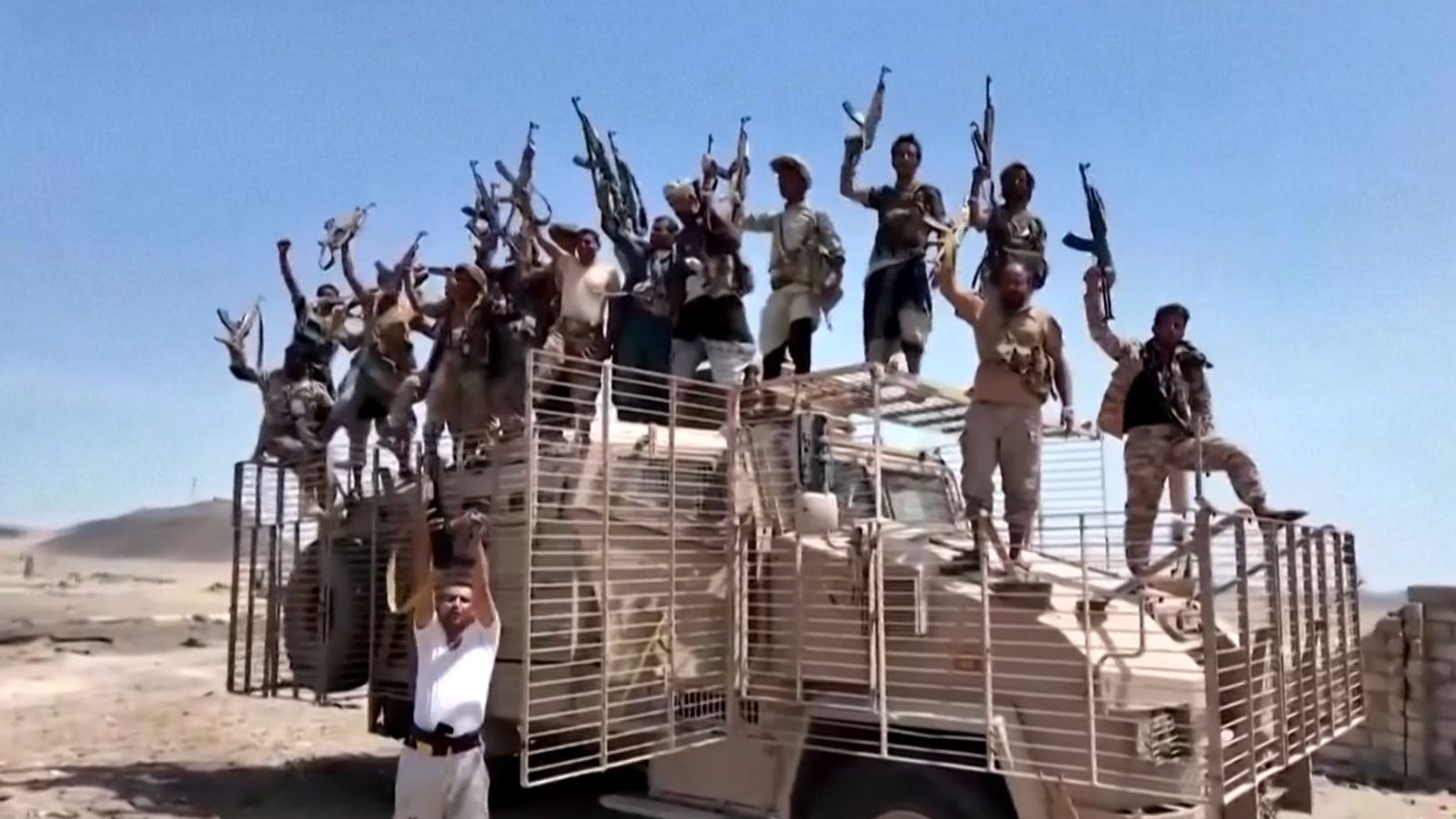
Footage distributed by Houthi media included a reporter’s tour of a site they called the "Khalid ibn al‑Walid" camp. "This is the 'Khalid ibn al‑Walid' camp, which, by God's help, has been cleared of the Saudi enemy. The destruction can be seen, as well as the criminal nature of the enemy and its conspiratorial plans against the nation. This is the entrance to the 'Khalid ibn al‑Walid' camp in Moka, after, by God's help, the remnants of the Saudi enemy were expelled, and the location was secured and completely cleared. On this tour we are together with our brothers, the heroes of the armed forces. This is the crossroads in Al‑Mokha, after, by God's help, it was secured and the Saudi enemy was expelled from it," reported a reporter for Al Masirah.
Houthi gains and maritime pressure
Far to the south, Houthi forces continued an offensive along the Red Sea coast and announced the seizure of Mayun — also known as Perim — a small but strategic island in the Bab el‑Mandeb strait. From that position, one of the key sea lanes between the Red Sea and the Gulf of Aden can be controlled.
"The Yemeni armed forces confirm that maritime navigation remains safe for all companies, with the exception of Saudi vessels — for which a ban had previously been announced. They further emphasize their continued commitment to implementing the principle 'blockade for blockade', attacking targets of the Saudi enemy and responding to escalation with escalation, until the aggression ceases and the blockade imposed on our beloved people is lifted," said Brigadier General Yahya Sari, military spokesman for the Houthis.
Washington has so far not given the green light for direct U.S. military action against the Houthis. According to sources familiar with the talks, Crown Prince Mohammed bin Salman spoke with former U.S. President Donald Trump at least twice requesting American military assistance; Washington offered intelligence sharing and targeting help but stopped short of committing to direct strikes.
The combined disruption to shipping through Bab el‑Mandeb and the stoppage on the Saudi pipeline raises the risk to global energy markets. Saudi Arabia is already recording its lowest crude output in more than three decades, while oil prices have climbed back above $100 per barrel. If the Houthis consolidate control along the Red Sea and the conflict widens, the effects could ripple far beyond the region — higher fuel costs, pricier transport and renewed inflationary pressure worldwide.
Photo: press material from the event