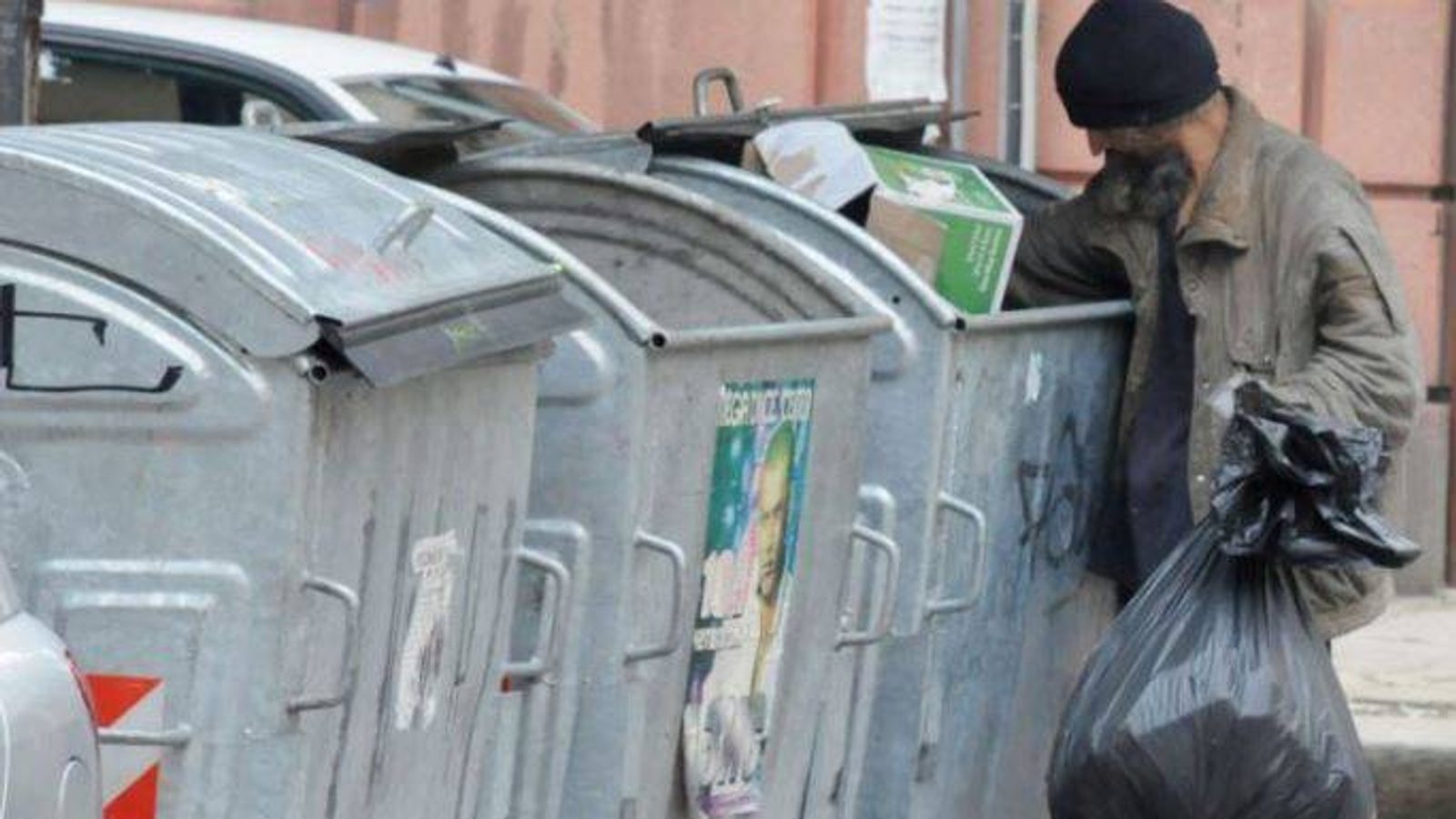
SDSM: Prices rising while minimum wage remains 26,000 denars
Opposition says October union 'minimum basket' tops 70,000 denars and accuses the Mickoski government of rejecting a €600 minimum-wage proposal.
The opposition Social Democratic Union (SDSM) accused the government led by Hristijan Mickoski of failing to protect citizens' living standards as everyday costs keep rising.
SDSM said in a statement that the October trade-union "minimum basket" exceeds 70,000 denars and that, when rent is added, monthly needs reach nearly 90,000 denars. The party noted that costs of living have climbed by 4,000 denars since the start of the year while the statutory minimum wage remains at 26,000 denars.
Concern for low-paid workers and farmers
The opposition claims roughly 180,000 workers earn less than 31,200 denars per month and argues that even three minimum wages are insufficient to cover a family's basic expenses. SDSM also says the government rejected its proposals for a minimum wage of 600 euros and for targeted support to farmers.
SDSM warned of further price increases starting in January next year, including higher electricity and central heating bills, and criticized the recent budget rebalance for not including a higher minimum wage, measures to limit price rises, or extra assistance for agricultural producers.
In its statement the party said: "And with the new rebalance again the same: there is no higher minimum wage, no measures against price increases, no help for farmers. There are new debts and high interest rates, the bill of which will be paid by citizens and future generations. In just two years Mickoski increased the debt by 4 billion euros, half of the country's total debt to date. Debt upon debt, rebalance upon rebalance — and for the people there is no money, citizens are living increasingly harder."
SDSM added that rising borrowing and interest costs will ultimately be borne by households and future generations, calling on the government to reconsider its fiscal choices and to adopt immediate relief measures for vulnerable groups.
Photo: press material from the event