SDSM to block Public Procurement Law with 2,000 amendments
Party submitted 2,000 amendments after presidential veto; critics cite risks to transparency and removal of safeguards.

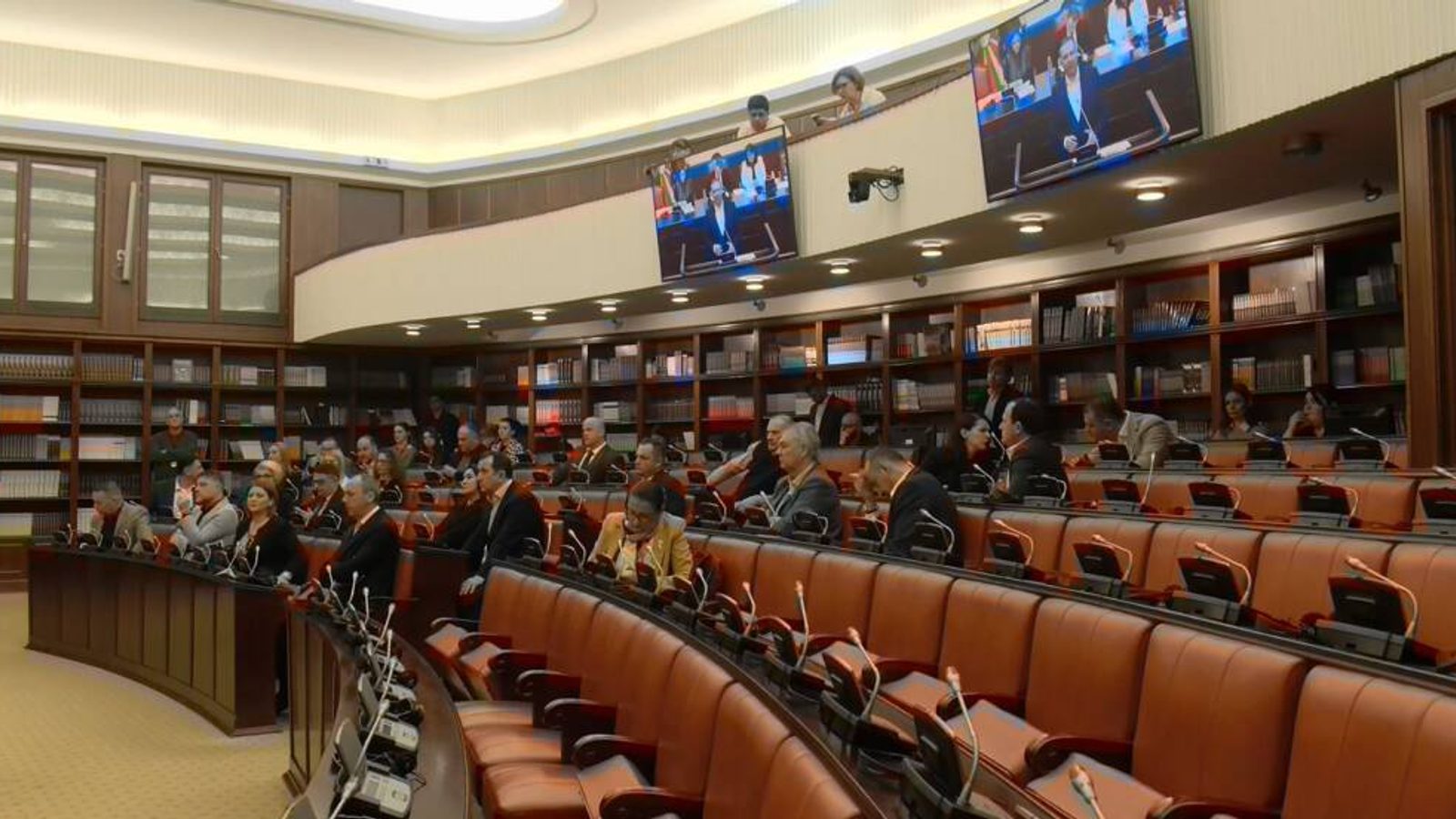
SDSM has announced it will try to block the Public Procurement Law by submitting 2,000 amendments after President Gordana Siljanovska Davkova returned the bill with a veto. The law is scheduled to return to the Assembly for debate next Tuesday and the party says the volume of amendments is intended to prevent final adoption at third reading.
According to SDSM’s parliamentary group, the amendments have already been filed; VMRO-DPMNE’s group says it submitted a single amendment aimed at correcting the provision highlighted by the president.
Key objection: appointment term for complaints commission
The president flagged Article 13 as problematic. Under the new text, “the president and members of the State Commission for Appeals in Public Procurement are appointed for a five-year term, with the right to be reappointed.” Ms. Siljanovska Davkova argues that phrase is legally imprecise and could be read as allowing unlimited reappointments; the previous law stated “with the right to one further appointment,” which set a clear 10-year limit.
Non‑governmental actors have raised additional concerns. The Center for Civic Communications said several provisions “cause serious concern” and warned the bill was drafted and promoted without public consultations. The NGO specifically objected to the removal of a prior requirement for an opinion on so-called single-supplier procurements, higher fees for appeals, and an increase in the spending thresholds that allow institutions to make purchases without applying the full procurement rules.
Critics say those changes create risks to transparency and control, and open room for misuse of public funds. Supporters argue the law is part of the country’s reform agenda: under the growth plan, the country would receive 8.5 million euros if by December next year at least one quarter of public procurement value is awarded using the Most Economically Advantageous Tender criterion, which weighs quality alongside price as set out in Article 99a.
Photo: European Union / Wikimedia Commons (Attribution)