Parliament committee backs repeal of intelligence coordination council
Defence Committee approved repeal after finding the council inactive for two years; Interior Ministry says the law failed to function.
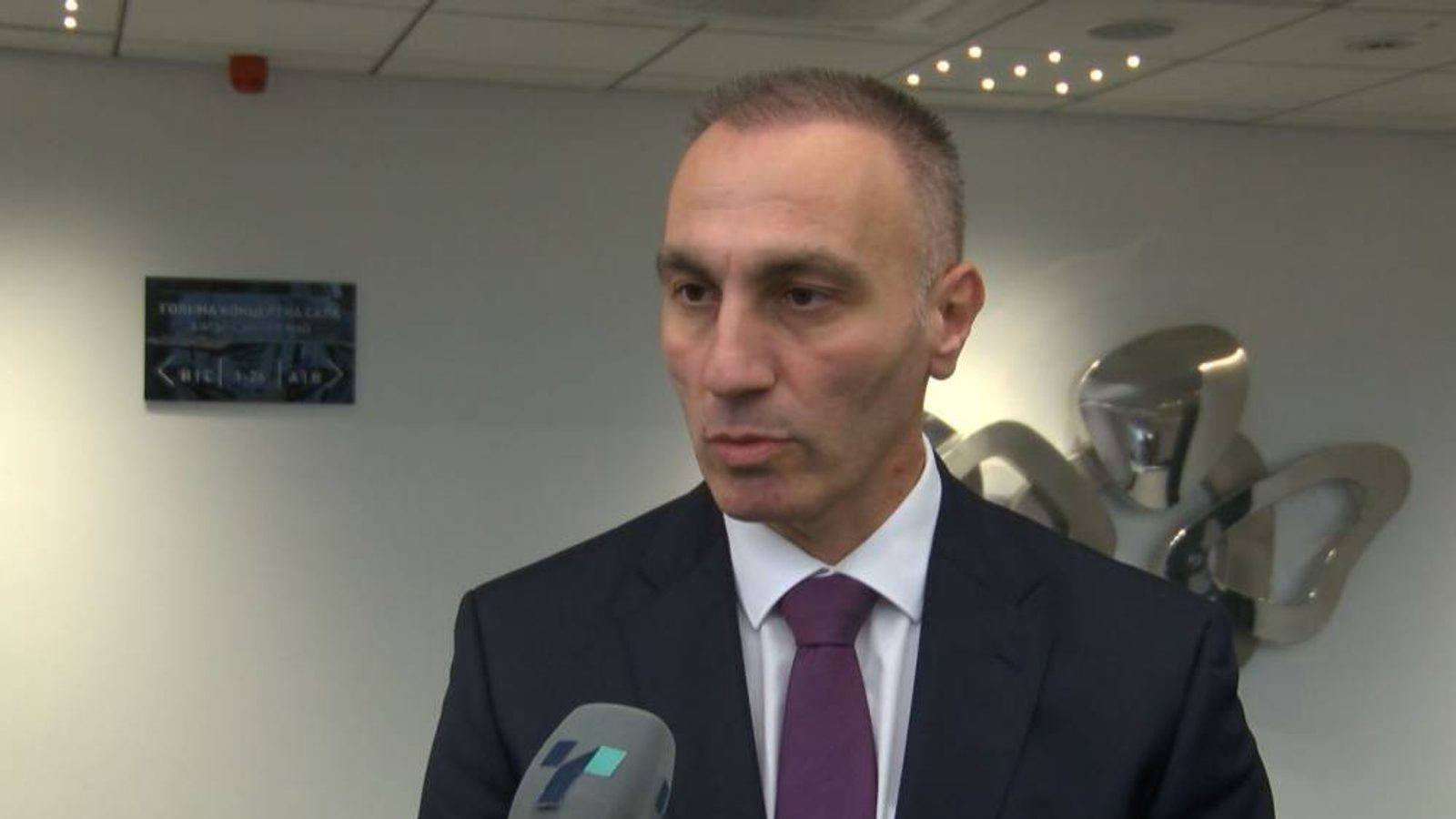
The parliamentary Defence Committee has backed a bill to repeal the Law on Coordination of Security Agencies, a move that will dissolve the Council responsible for coordinating the country's intelligence services and strip several officials of their seats — including Artan Grubi, who is currently accused in the Lottery case.
Why the law is being scrapped
Committee members argued the coordination body has not worked in practice: it has not met for the past two years despite a legal requirement to convene at least once every three months. Because no sessions were held, the council never updated its membership by function, so on paper the roster still lists former figures such as Talat Xhaferi, Slavjanka Petrovska and Bujar Osmani, as well as ex-intelligence chiefs Zarko Miloshevski, Erold Musliu and Nikola Kiskoski.
Only Panche Toshkovski remains an active officeholder from the listed membership — he was minister of internal affairs at the time the council last met. The Defence Committee voted "for" passing the bill that ends the force of the coordination law and thereby terminates the Council's mandate.
The Ministry of Internal Affairs (MIA) argued for repeal on the grounds that the law does not fulfil its purpose in practice: its application is limited by institutional distrust, its scope is too narrow and there is a lack of operational capacity.
Astrid Iseni, Deputy Minister of Internal Affairs, said: "With Article 1 of this law, the coordination of the intelligence agencies in North Macedonia ceases to be in force."
MP Slavjanka Petrovska, herself a member of the Council, demanded accountability for its dysfunction and warned that abolishing the body endangers national security. She said: "Abolishing the coordination council for the security services — I cannot say that is unintentional. This is a serious security problem."
Recent media reporting has alleged that draft laws are ready which propose merging some services, restoring certain police powers to counterintelligence agents, and introducing flexible rules for selecting the director of a new intelligence agency — changes that critics say could allow appointment of a business manager or a political-party official instead of a career intelligence professional.
The prime minister has announced forthcoming legislative measures and pledged a public debate once draft proposals are completed.
Photo: press material from the event