Glucose sensors not available to all people with type 1 diabetes in North Macedonia
Patients over 25 are excluded from the current programme; unions demand wider access while the health minister pledges action within three years.
Glucose sensors for continuous monitoring remain unavailable to a large portion of people with type 1 diabetes in North Macedonia, patient groups warn, while the Health Minister has pledged steps to expand access within three years.
Patients, unions and clinicians call for wider access
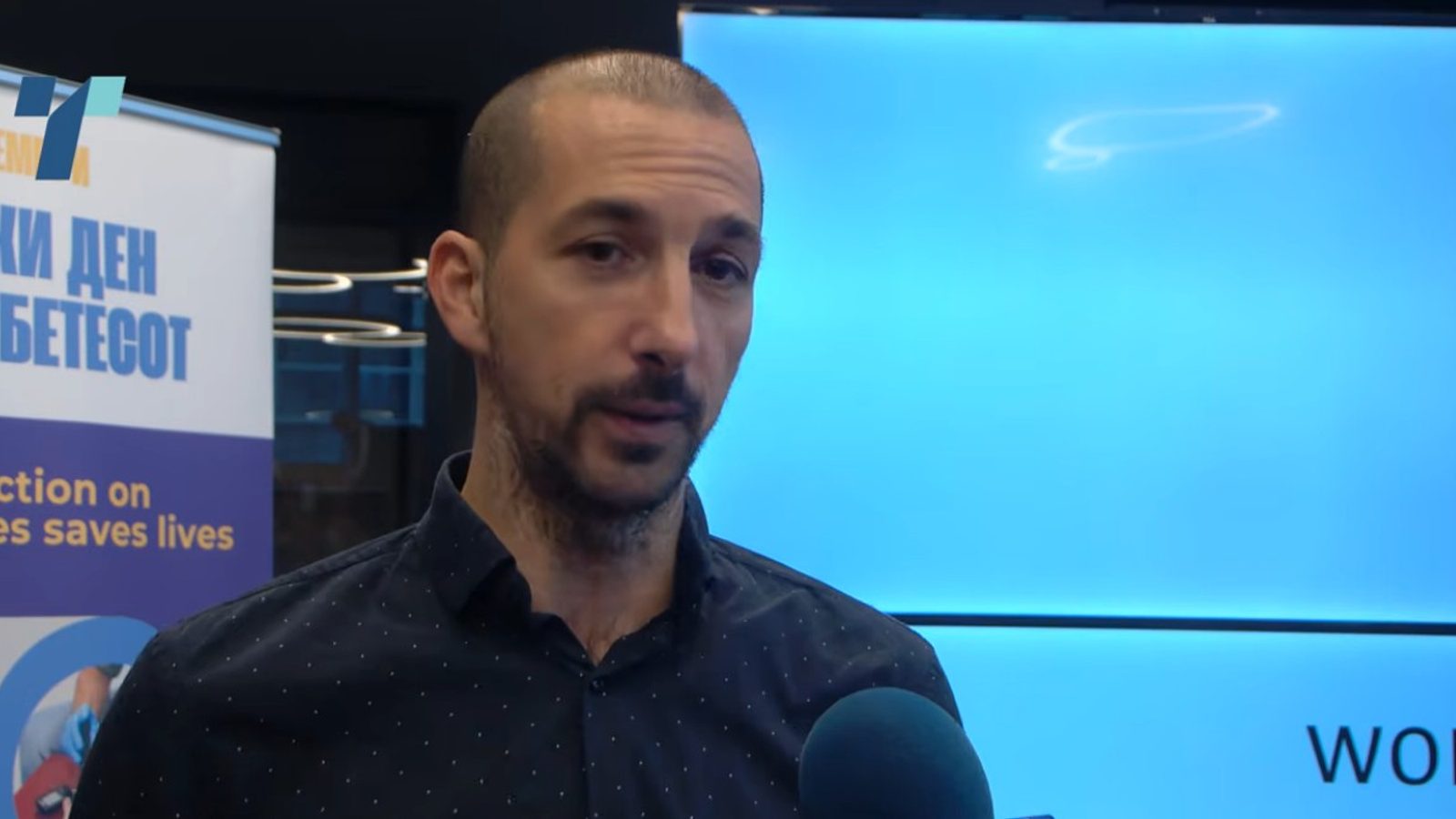
Jovica Simonovski, who was diagnosed with type 1 diabetes six years ago at age 33, says managing his condition without a sensor is significantly harder. He described the daily burden of finger‑prick checks and insulin dosing.
"Right now I don't have a sensor and it's much harder for me to manage my diabetes, to manage my glycemia with the daily pricks and constant measurements, dosing insulin etc. Simply, life is mathematics, and with the sensor everything is made easier for us. In other words, the better regulated glycemia means that I will not have comorbidities later," says Jovica Simonovski, coordinator for digitalisation and information at the Union of Diabetes Associations of Macedonia.
The Union appealed to authorities for continuity and broader availability of modern therapies and medical devices, improved access to specialist examinations and health services, timely diagnostics and prevention of diabetic complications.
"Sensors for all people with type 1 in Macedonia — we have been demanding that for years. To date we have provided them only for 800 people with type 1, of which all the young and children up to 25 are covered, who voluntarily took them; people with major amputations and those affected by diabetic retinopathy resulting in severe blindness. And what is the happiest solution, as in many countries, gestational diabetes patients receive them for diabetes monitoring," said Dimche Velev, president of the Union of Diabetes Associations of Macedonia.
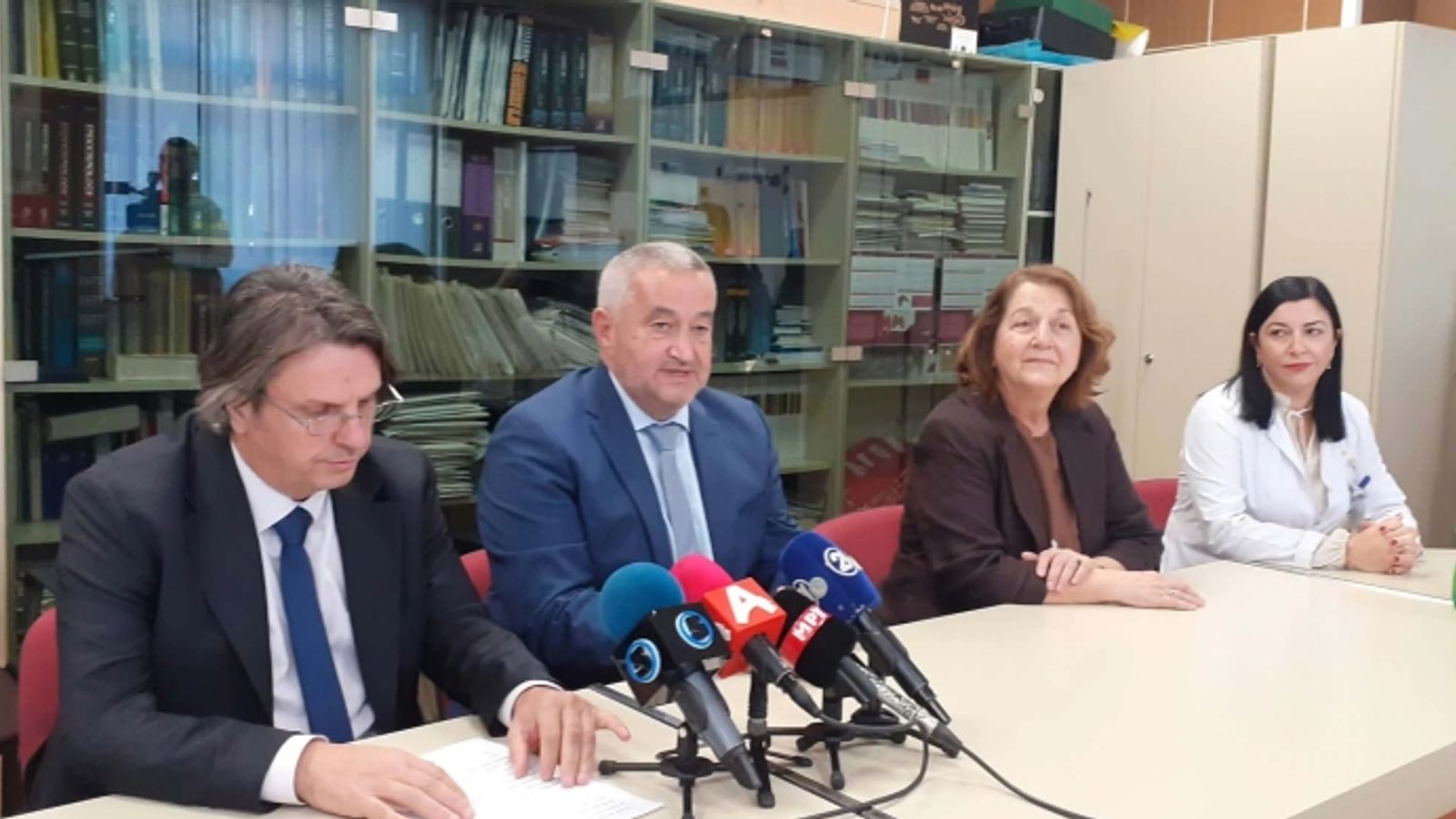
Health Minister Sasho Klekovski said he will strive to ensure that all people with type 1 diabetes receive appropriate glycemic monitoring in the next three years. "Secondly, I believe we should, as soon as possible, put modern therapy into wider use to postpone complications, primarily nephrological and cardiological complications. Regarding appointments in tertiary healthcare and one of the requests of the diabetes associations — and Professor Irfan Ahmeti's view that primary healthcare should also be more involved in managing diabetes without complications," he said.
Professor Dr. Irfan Ahmeti, director of the University Clinic for Endocrinology, Diabetes and Metabolic Disorders, stressed the need for coordinated care. "Every patient with comorbidities requires a multidisciplinary approach. But the problem is that referrals from primary healthcare sometimes take up our appointment slots, and they are not properly referred. We have discussed it with the director of 'Moj termin', with the minister," he said.
The Union reiterated calls for stronger health education, early diagnosis and greater institutional cooperation to improve outcomes for people with diabetes.
Photo: press material from the event