Saint Prophet Micah II: customs and bans for peace at home
A brief guide to the Orthodox commemoration of Saint Prophet Micah II and the household customs observed at the close of the Dormition Fast.
The Orthodox Church commemorates the memory of Saint Prophet Micah II today, and popular tradition offers a set of practices meant to bring peace and protection into the household.
Who was Saint Prophet Micah II
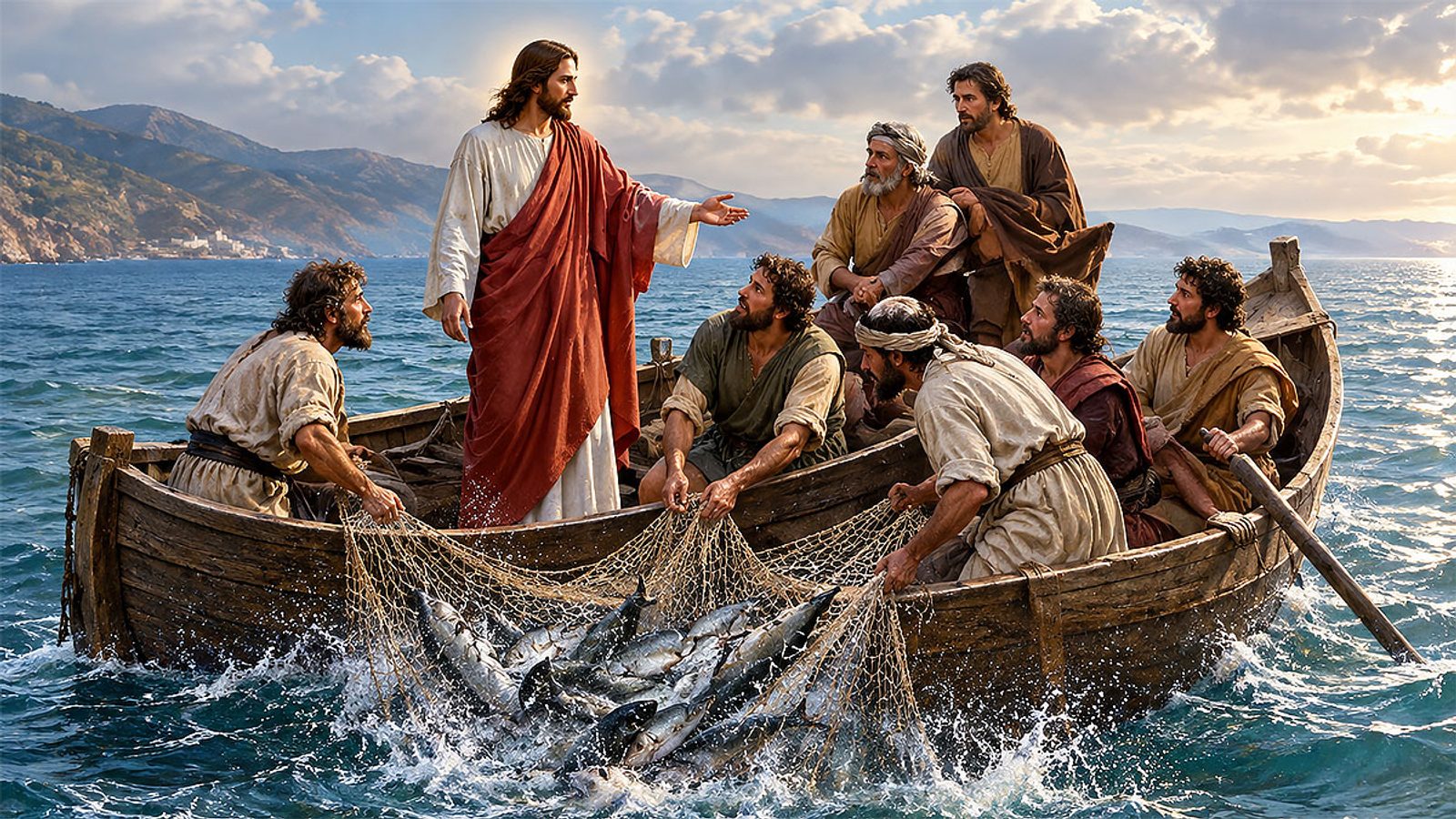
According to the tradition, Micah came from the tribe of Judah, from the village of Morisi, which is why he was also called Morisićanec. He is remembered as a contemporary of Isaiah, Amos and Hosea and spent much of his life denouncing the vices of his people and the false prophets who promised only wine and strong drink.
Micah warned that Jerusalem would be devastated because of the sins of its leaders and priests who served money and bribery. One of his most noted prophecies names Bethlehem as the birthplace of the world’s Savior. Some accounts say he died peacefully in his native village, while other traditions claim he suffered for his stern prophecies; his relics were discovered during the reign of Emperor Theodosius the Great.
The day dedicated to Saint Micah falls at the very end of the Dormition Fast, which—according to the tradition mentioned in these observances—concludes tomorrow with the Feast of the Dormition of the Most Holy Theotokos (Great Dormition). In this final period the faithful are encouraged to seek spiritual calm, forgiveness and readiness for the feast.
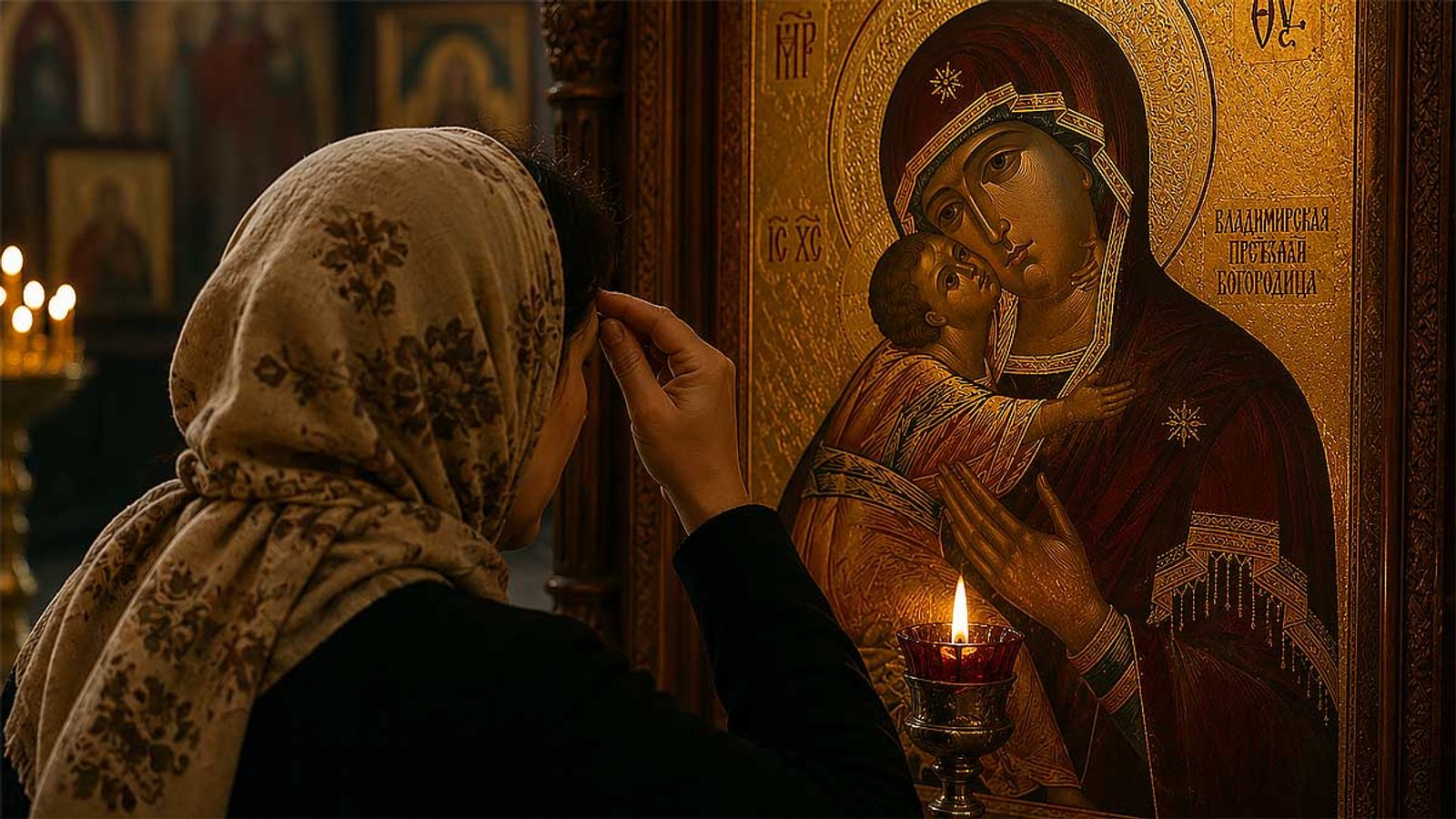
Folk and church customs connected to the day emphasise visiting church and offering sincere prayer to the saint. People believe that those who approach him with a pure heart and good intentions will find spiritual protection from evil, injustice and misfortune.
Practical household advice attached to these observances includes several common prescriptions: prepare for confession and communion; tidy and clean the home to invite prosperity and harmony; pay attention to family and avoid hard physical labour out of respect for the upcoming feast. Equally, tradition warns against quarrels and harbouring anger during the fast, against lending money before major celebrations, and against undertaking heavy field or garden work on this occasion.
Photo: Ilustracija (Glamur, AI)