What You Watch, Whom Do You Trust? – Young People, Information and Disinformation Campaigns
Pupils and MPs discuss influence of social networks, detection of disinformation and whether curricula meet new information challenges.
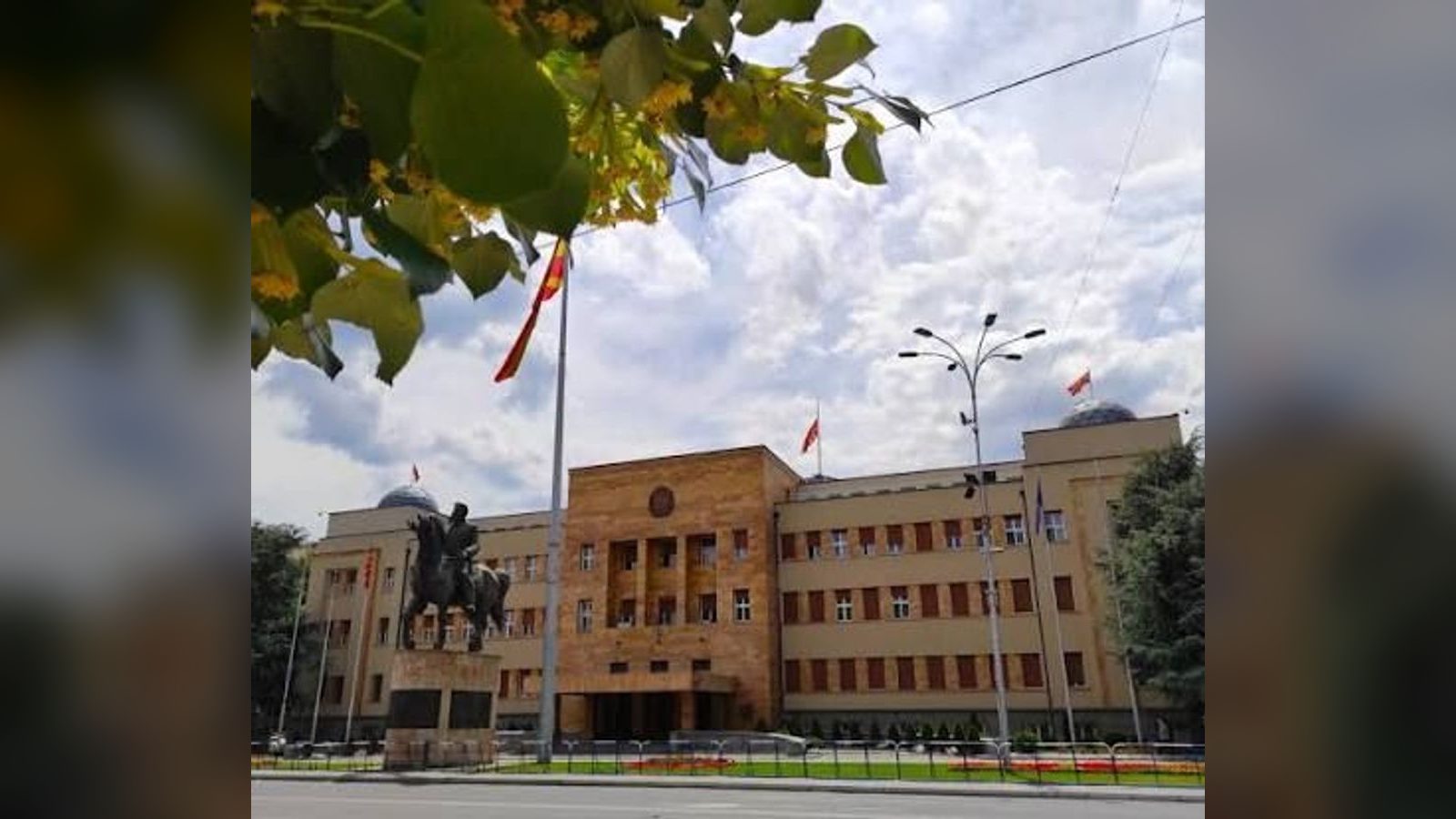
High school students and members of the Assembly met today in Skopje for a public debate on how young people get informed, the role of social media and influencers, and the challenges of spotting disinformation and material produced with artificial intelligence.
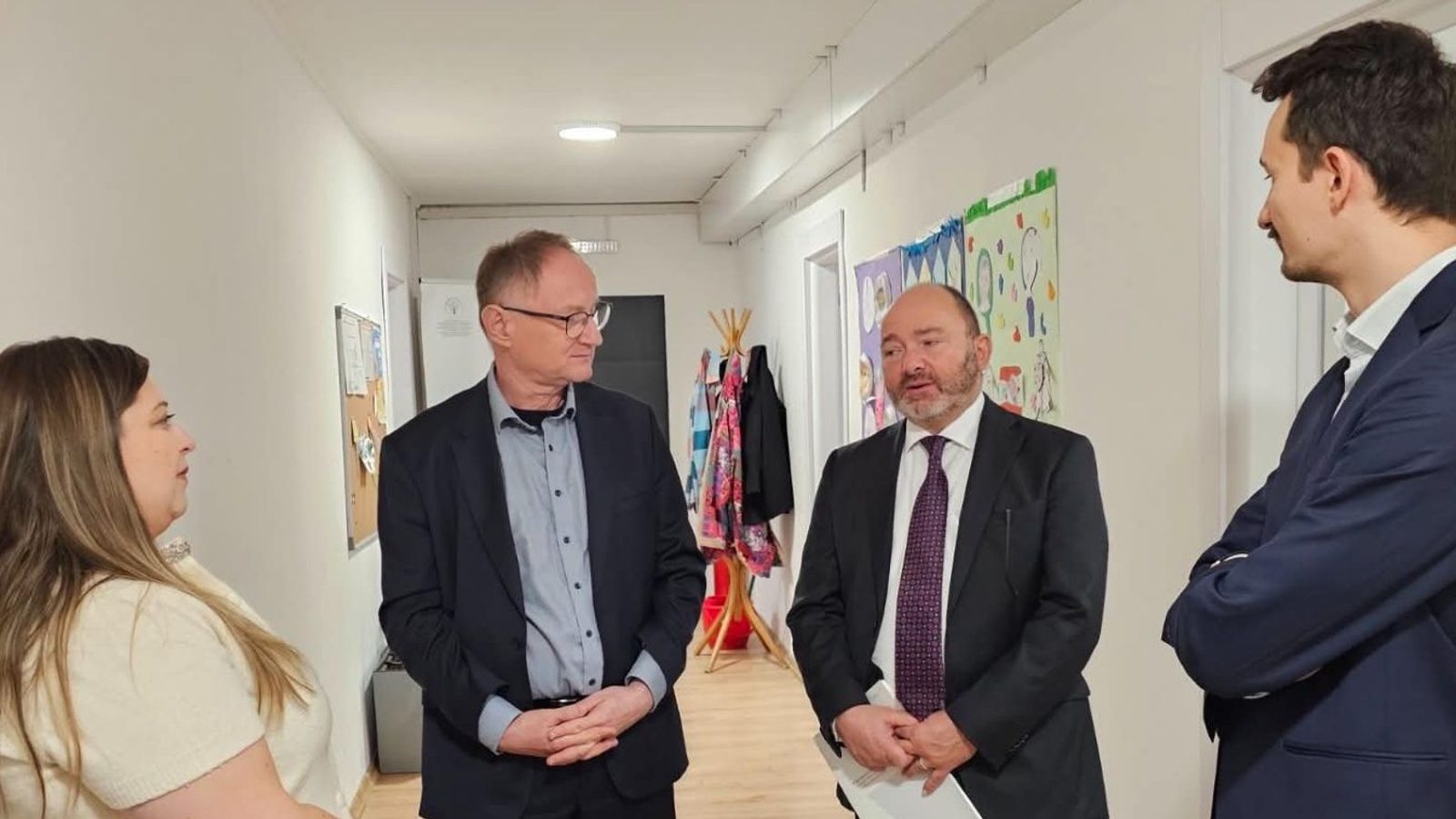
The event, titled "What You Watch, Whom Do You Trust? – Young People, Information and Disinformation Campaigns", was organised by the Institute for Communication Studies (ICS) in cooperation with the Assembly through its Parliamentary Institute and the Club for Youth Issues and Policies. It was structured as a direct exchange between pupils and lawmakers to surface young people's experiences, habits and concerns online.
Key topics on the table
Participants focused on how social networks, content creators and influencers shape youth opinion, and on the ability of students to identify manipulative messages, disinformation and AI-generated content. Speakers and attendees discussed concrete examples and the tools young people currently use to verify information.
The debate also examined whether existing school curricula respond to these new information challenges and what educational policies or programmes are needed to strengthen media literacy in both formal and informal settings. Domestic and regional studies on media literacy and youth information habits were presented as a basis for the conversation.
Opening remarks were delivered by the President of the Assembly, Afrim Gashi, and by the British ambassador, Maja Sivanjanam. The session brought together high school students from seven schools in Skopje, Prilep, Valandovo, Veles and Lipkovo, along with MPs and representatives of institutions and organisations involved in the event.
Organisers said the debate is part of broader efforts to link policy makers with young citizens and to inform future educational initiatives aimed at improving critical thinking and resistance to online manipulation.
Photo: press material from the event