Siljanovska-Davkova: I nominated Trajko Slaveski but have no authority over the National Bank
President Siljanovska-Davkova told MPs she proposed Trajko Slaveski based on qualifications and said decisions on licences and supervision belong to the National Bank.
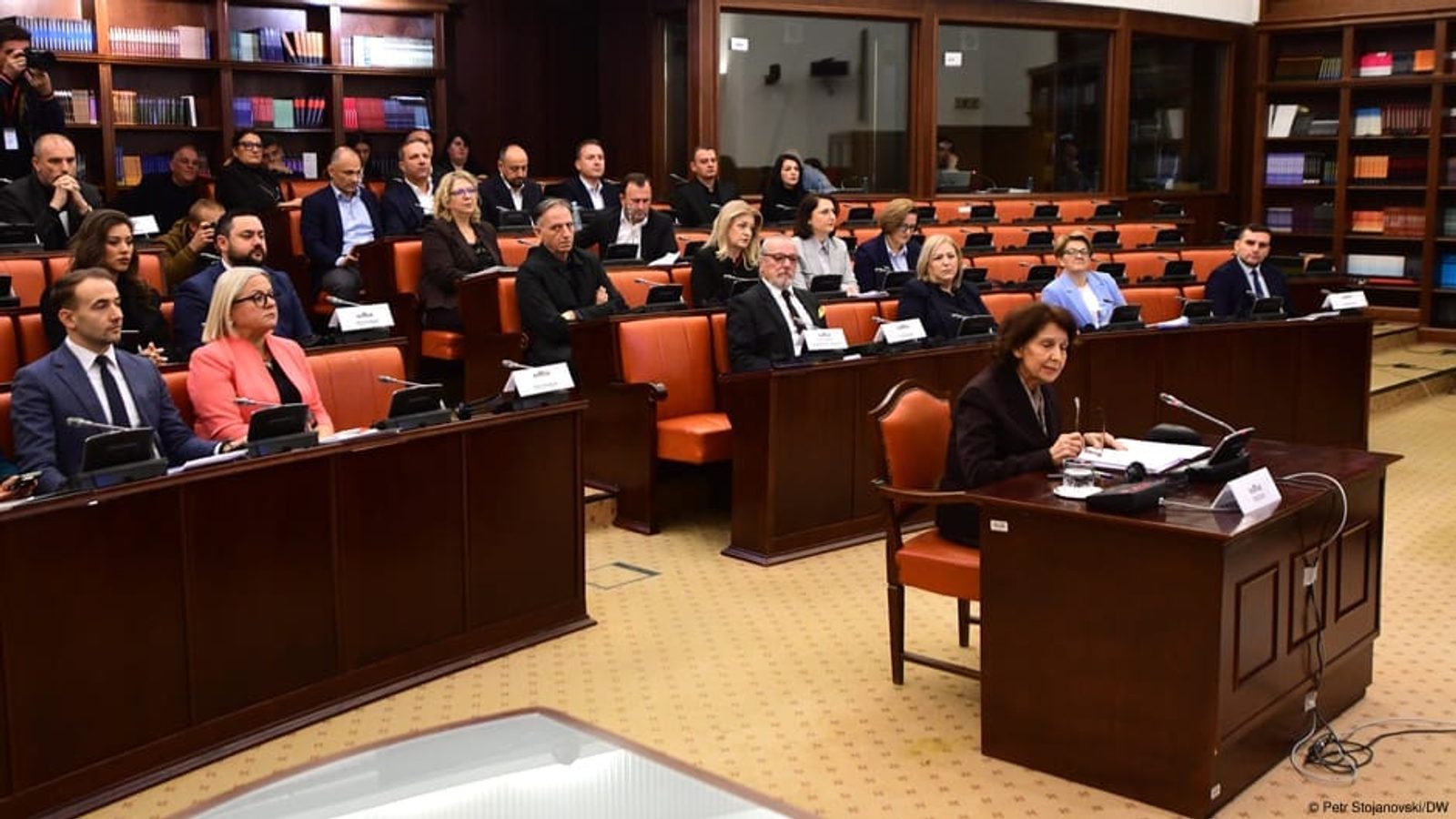
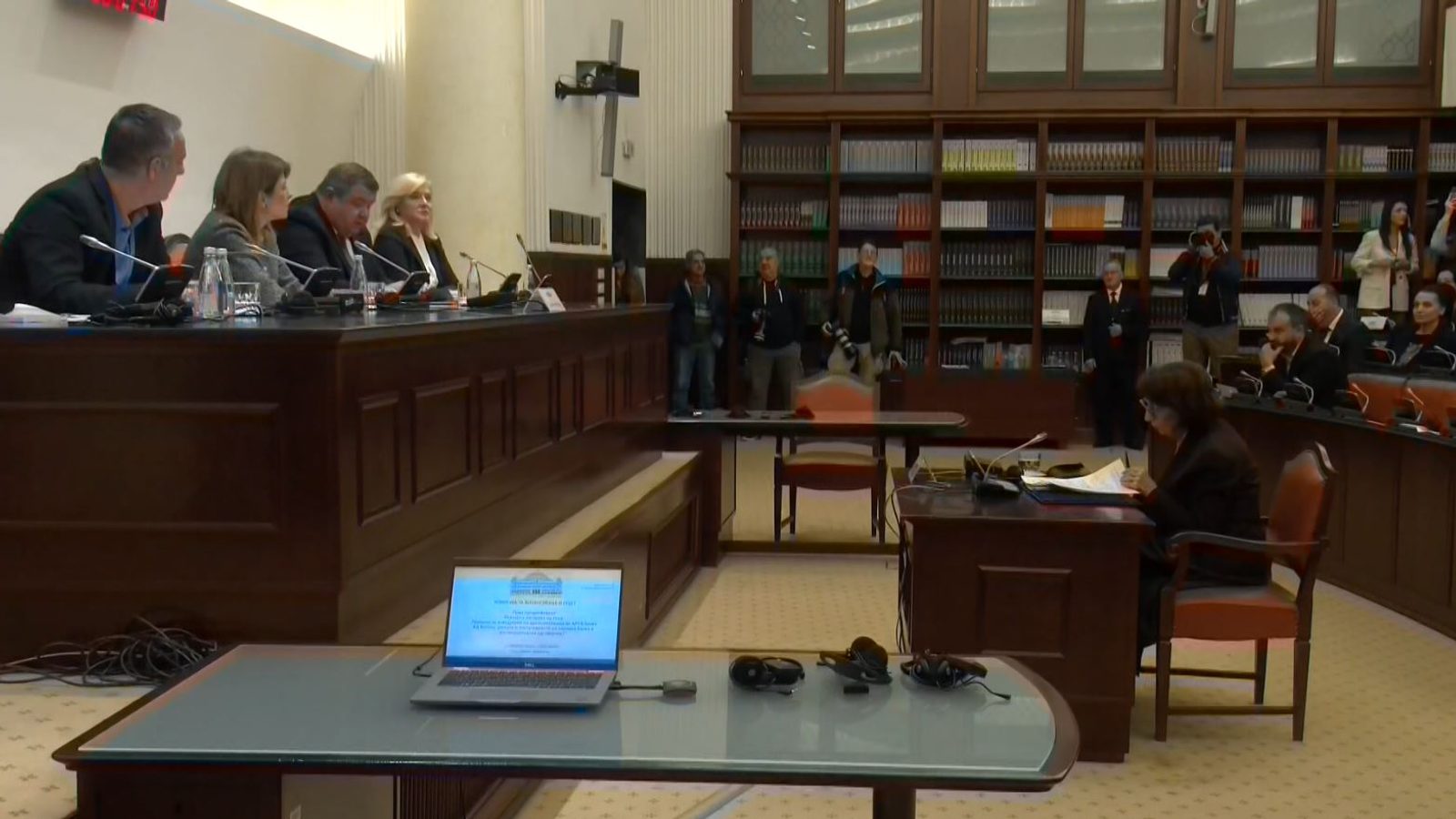
President Gordana Siljanovska-Davkova told lawmakers during the parliamentary oversight debate on Alta Bank that she has no legal authority over the work of the National Bank and that decisions on licences, supervision and administration of banks lie with the central bank. The exchange took place during the continuation of a tense session on 25 November 2026 that again raised questions about the collapse of Eurostandard Bank and the entry of Alta Bank into the country.
Siljanovska-Davkova defends her proposal of Trajko Slaveski
Speaking as a witness, Siljanovska-Davkova said the head of state has no statutory powers to issue or revoke banking licences, to grant or withdraw consents, to conduct banking supervision, to impose supervisory measures, or to place a bank under administration. "I have no authority to issue or revoke licences, to give and withdraw consents, to carry out banking supervision, to impose supervisory measures, or to introduce administration in a bank. All these matters fall within the competence of the bodies of the National Bank," she told MPs.
On her nomination of Trajko Slaveski for governor, the president said she acted independently and selected him on the basis of professional and academic qualifications after consulting experts, former governors, professors and other members of the academic community. She argued that Slaveski met the legal requirements and underlined his long academic career: "Not only does the candidate Trajko Slaveski meet the legal conditions, he is a professor with four decades of experience and with a significant academic and international career. The basic reason for my choice were his expertise, competence and professional integrity."
Siljanovska-Davkova rejected allegations connecting her proposal with the entry of Alta Bank into North Macedonia, calling such claims "bizarre" and "nonsensical." She also stressed that the president's proposing role does not create a hierarchical relationship with the governor: "The president proposes, the Assembly elects. The governor does not report to the president who nominated him, but acts within his constitutional and legal powers and is accountable to the Assembly." The president added that the head of state could only play a role in a potential dismissal procedure, not in the central bank's day-to-day decision-making.
Meanwhile, SDSM, the NSDP and their coalition partners have submitted an interpellation against Governor Trajko Slaveski. The interpellation concerns the procedure in which Slaveski and the National Bank gave prior consent for Alta Bank AD Belgrade to acquire a qualified stake in what was then Stopanska Banka AD Bitola.
The debate also reopened the case of Eurostandard Bank. Owner Trifun Kostovski told MPs he is not opposed to measures that protect the banking system and said he supports actions to stabilise the sector, while questioning why the same legal stabilisation mechanisms were not applied in Eurostandard's case. Kostovski said shareholders had not withdrawn from the bank, had paid imposed fines and had injected €13 million in fresh capital six months before the licence was revoked; he requested an authorised body to review all documents related to Eurostandard's collapse and denied claims that he had met with then-prime minister Zoran Zaev and finance minister Nina Angelovska prior to the bank's closure.
Photo: press material from the event