Siljanovska‑Davkova: Anyone who says it’s only about constitutional amendments is not sincere
The president told MPs the EU must prevent bilateral issues from blocking accession and called for predictable, merit‑based rules after the 2026 EC report.
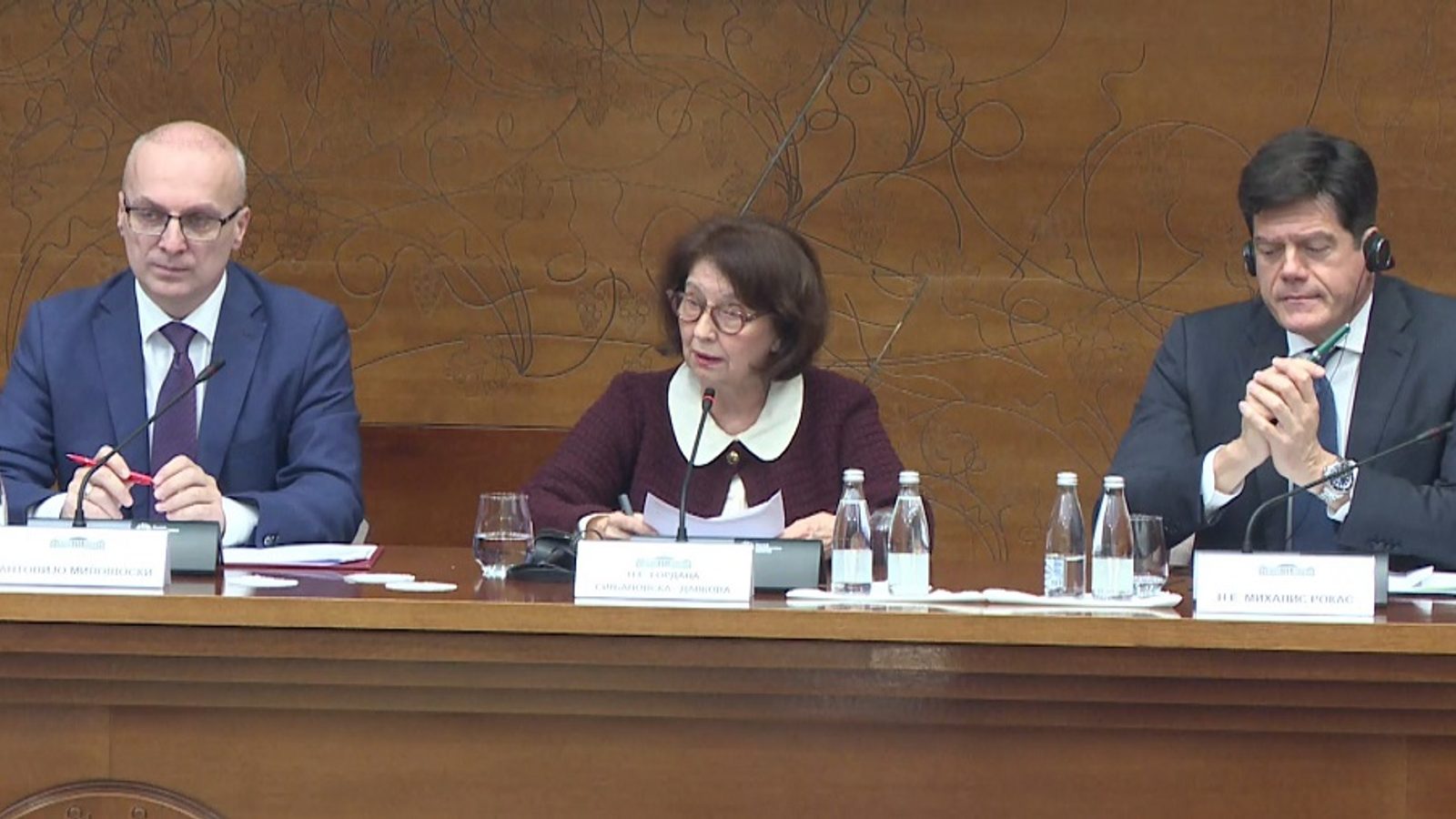
President Gordana Siljanovska‑Davkova warned that the debate around this year’s European Commission report goes beyond a narrow focus on constitutional amendments and called on Brussels to ensure that bilateral disputes do not block North Macedonia’s accession progress.
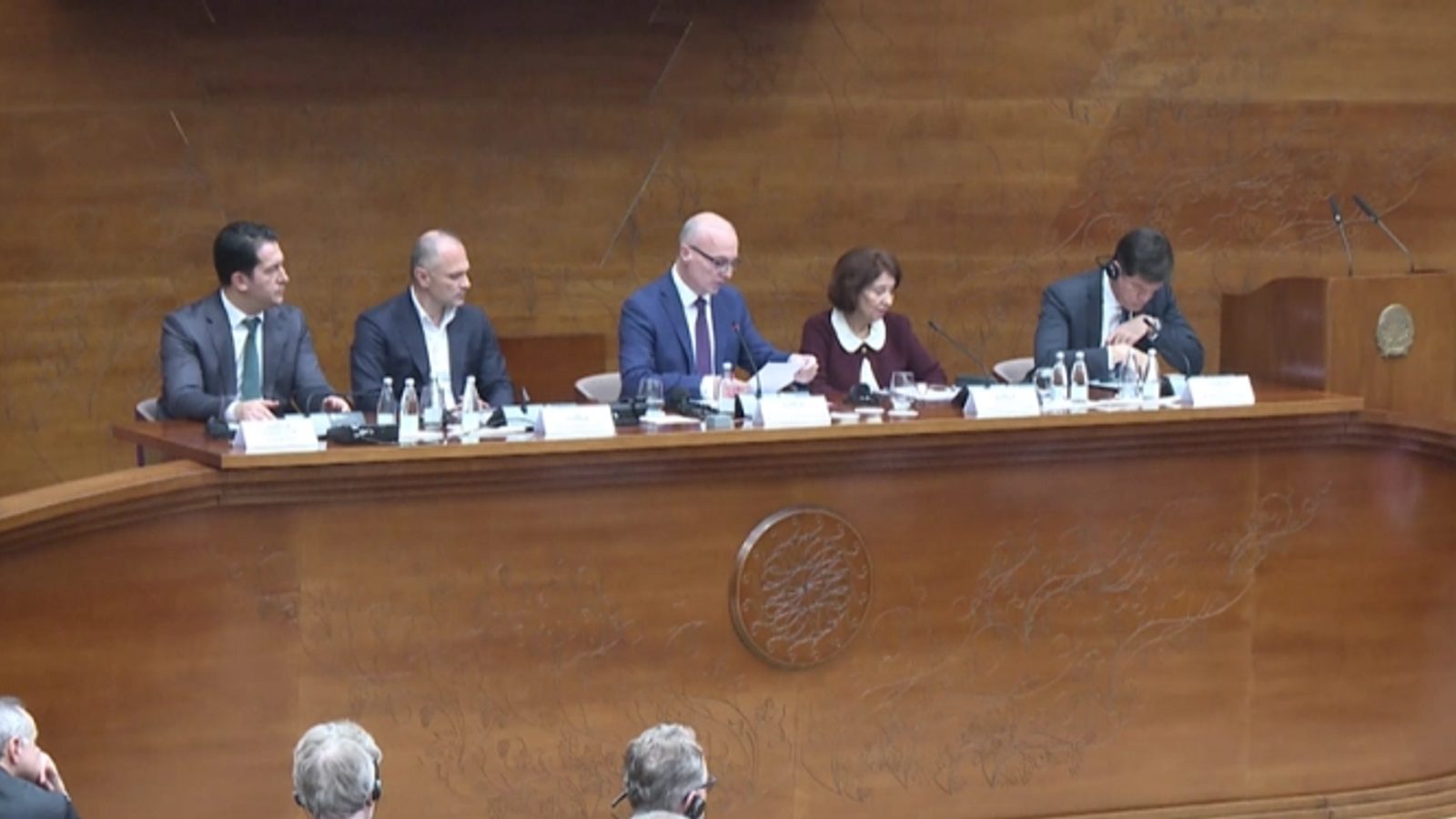
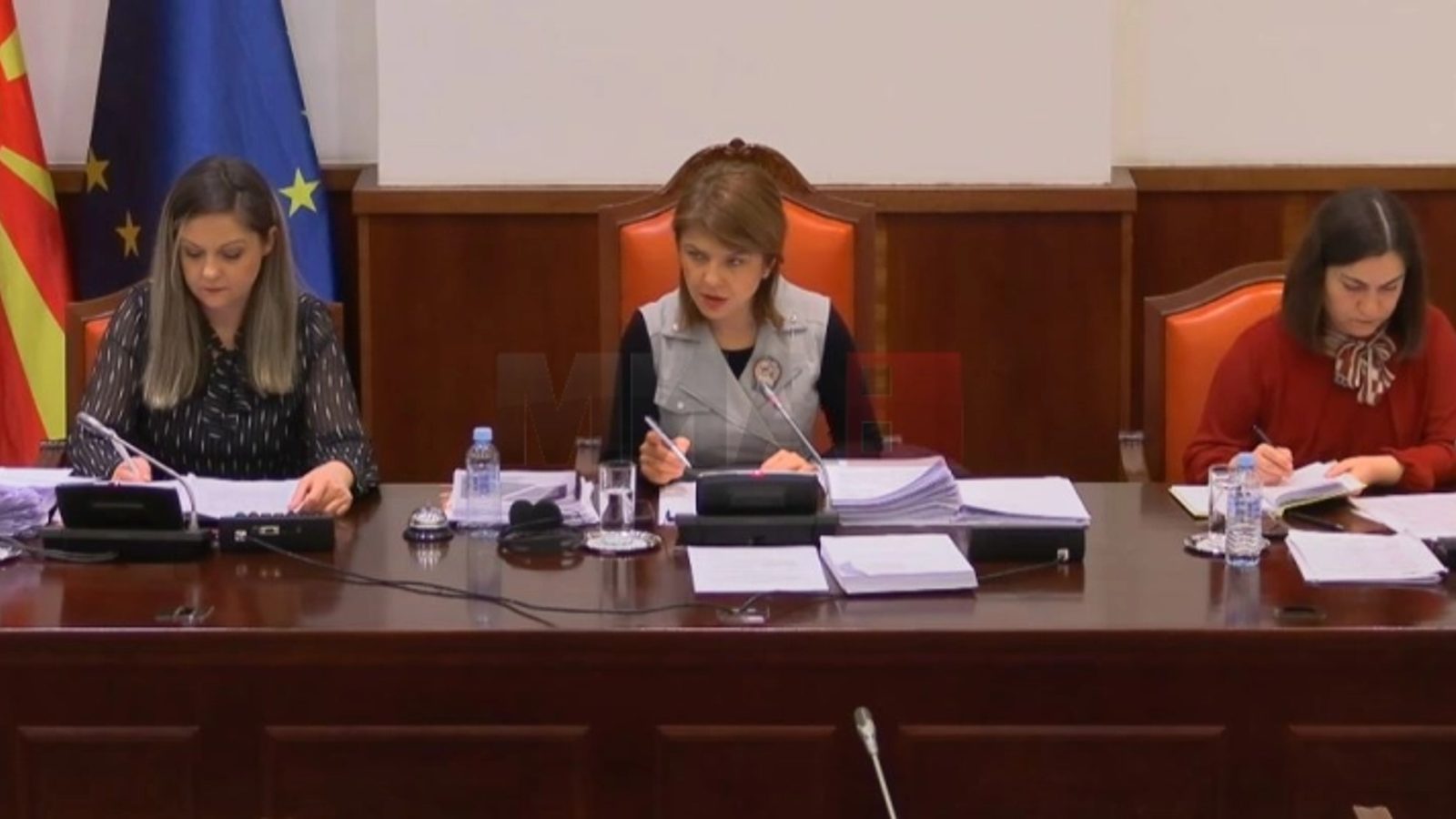
Siljanovska‑Davkova spoke at a joint session of the Committee on European Affairs and the National Council for European Integration, convened to discuss the European Commission's 2026 report on North Macedonia. She identified four dimensions that, in her view, are decisive for the country’s EU path: insufficient predictability of the accession process, an unclear boundary between accession criteria and bilateral political questions, and a lack of institutional guarantees that meeting agreed conditions will lead to real negotiating progress.
Calls for clear rules and merit-based access
“Nothing so far has shaken our resolve to remain on the European path, and nothing will,” she said, stressing that full EU membership remains the country’s objective. She added that North Macedonia does not seek special treatment but asks for consistent application of EU rules, equality, legal certainty and accession based on merit.
Siljanovska‑Davkova urged the EU to act as an objective broker by making clear, through strict rules, that bilateral issues unrelated to accession criteria should not be part of negotiations and that this principle should have institutional force rather than remain merely declaratory.
She welcomed elements in the Commission’s documents that promote more effective decision‑making and gradual integration, especially the position that bilateral questions not related to accession benchmarks should not be included in negotiations. “We expect, or I expect, that in the accession process something will be respected that everyone has previously referred to — I am speaking of the Prespa Agreement — and that the Macedonian language will be an official language of the EU when the country becomes a member,” she said.
On the substance of the report, Siljanovska‑Davkova noted it did not register backsliding and pointed to good progress in several chapters, including a high level of alignment in the Common Foreign and Security Policy — a horizontal requirement for further steps. Still, she warned that the pace of progress is not enough to preserve the country’s historically high alignment with EU law compared with regional peers.
She also highlighted sustained weaknesses: limited progress in areas where North Macedonia previously led regionally (such as food safety and the Customs Union), stagnation in the internal market cluster, chronic low capacity to absorb EU funds, the need to strengthen independent bodies and improve inter‑institutional policy coordination. While the Reform Agenda has shown improvements, she said it cannot by itself drive the necessary reforms; the national programme for adopting EU law must be kept up to date and used more dynamically.
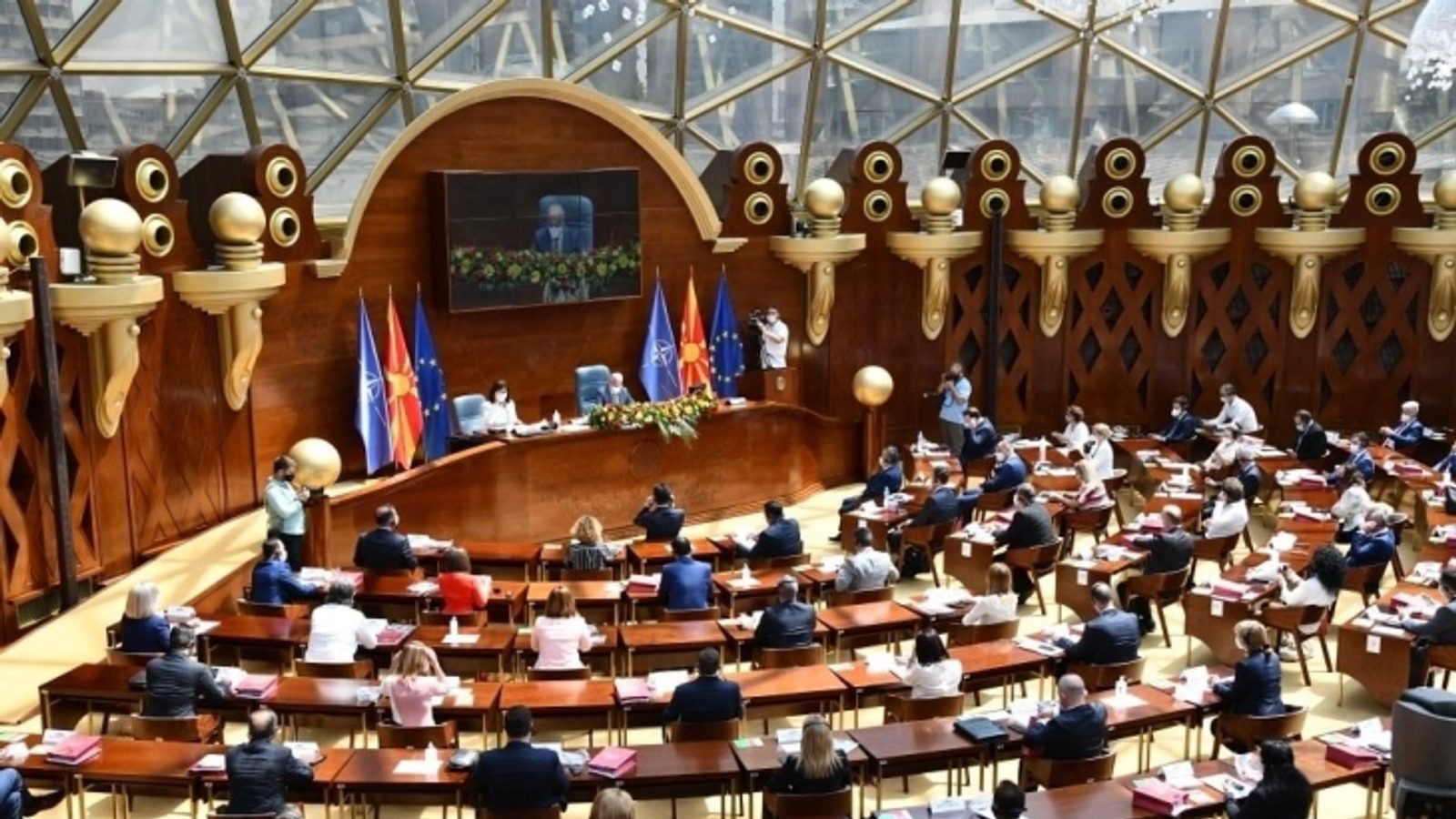
Finally, Siljanovska‑Davkova appealed to the Assembly — above all the Council for European Integration and the Committee on European Affairs — to forge broad consensus and use parliamentary mechanisms, including public and oversight debates, to handle the political decisions that will shape North Macedonia’s European future. “It is no coincidence that the Lisbon Treaty is also named the Treaty of Parliaments. Differences of opinion in parliaments are lawful, desirable and democratic. I am convinced that the Assembly has the capacity for fruitful discussion for the policy options on the European path here and in the relevant committees,” she said.
Photo: press material from the event