Simeon Saxe‑Coburg‑Gotha: Leave historical disputes to historians, North Macedonia should join the EU
In Brussels on 18 November 2026 Simeon Saxe‑Coburg‑Gotha said historical disputes belong to historians and called for North Macedonia’s EU accession to move forward.
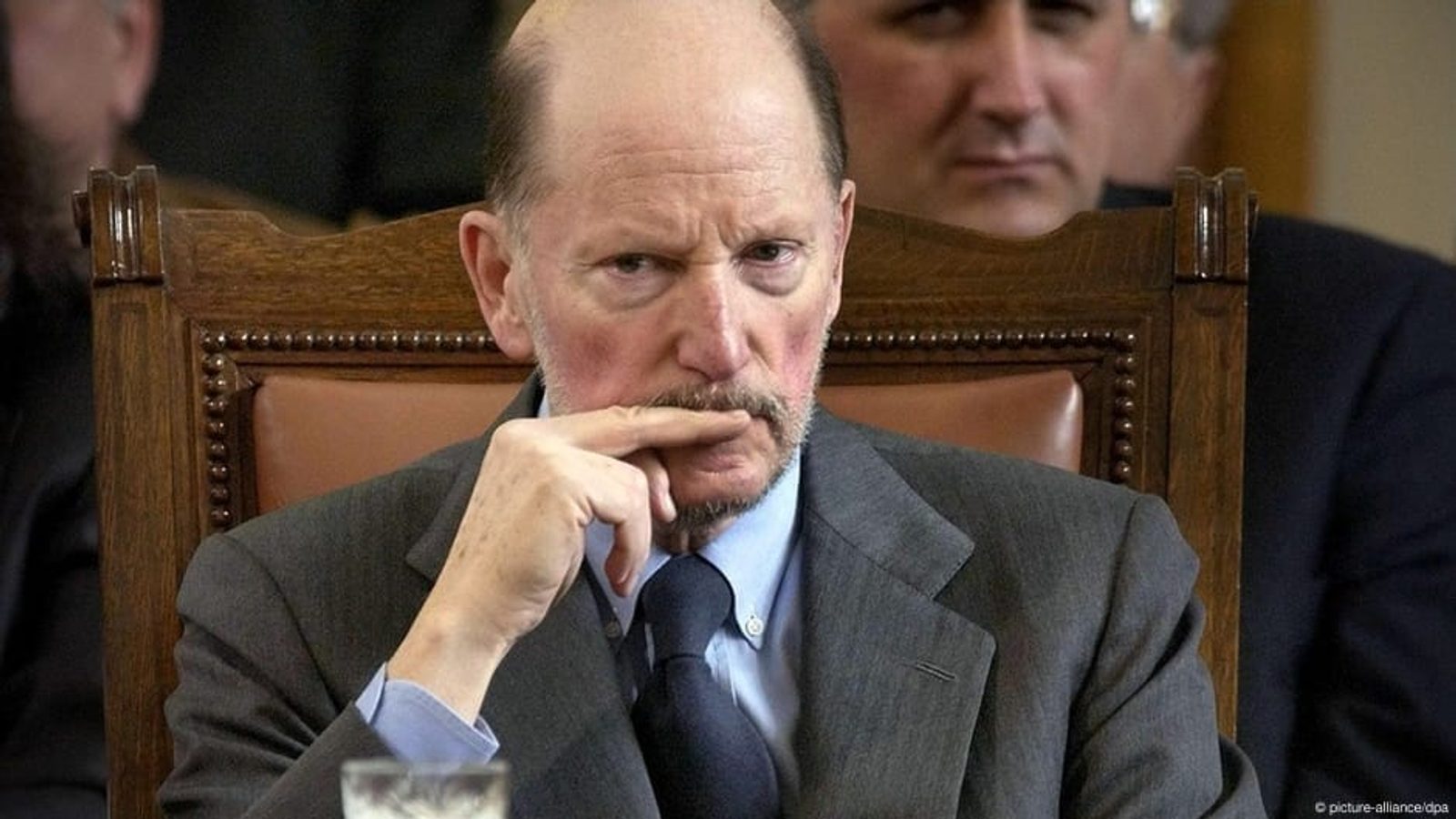
Former Bulgarian prime minister Simeon Saxe‑Coburg‑Gotha urged that historical disputes be left to historians and called for North Macedonia to continue its path to membership of the European Union, following remarks he made in Brussels on 18 November 2026.
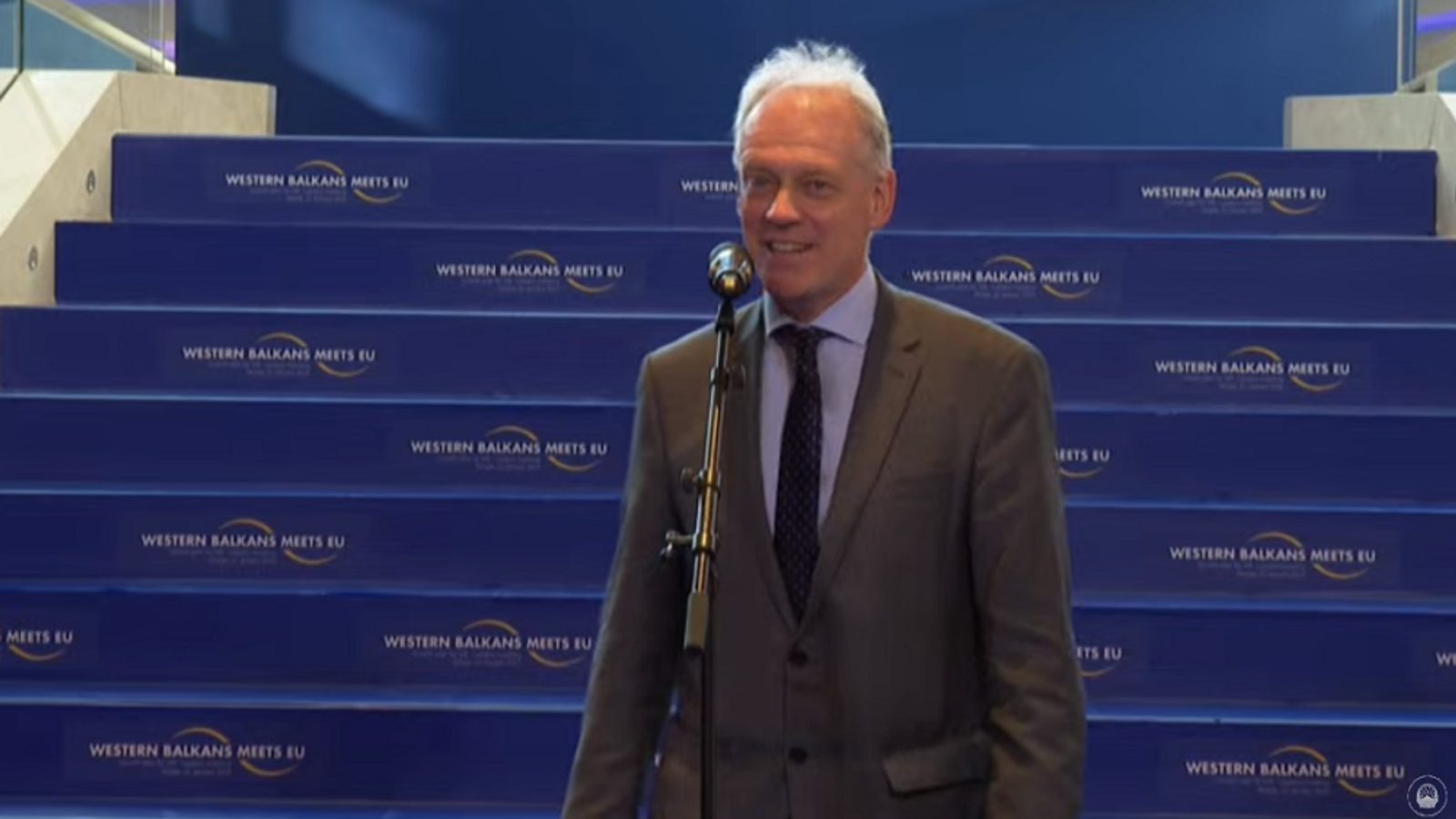
“Yesterday I ran into the prime minister (Hristijan Mickoski) and I was very pleased. I think dialogue in every respect is positive. Good neighbourly relations are only to the benefit of everyone. So, we must make efforts. I will say something again, perhaps politically incorrect. But I believe that many topics belonged to historians, let them follow and examine them, and we should look forward, to the practical, and North Macedonia should enter the EU,” Saxe‑Coburg‑Gotha said.
Why his words matter
Saxe‑Coburg‑Gotha was prime minister of Bulgaria from July 2001 to August 2005 and earlier founded the National Movement Simeon II, which won the June 2001 parliamentary elections. In April 2005 he signed Bulgaria’s Treaty of Accession in Luxembourg; Bulgaria became a member of the EU on 1 January 2007. He was in Brussels for an event marking the 20th anniversary of the 1 January 2007 accession of Bulgaria and Romania to the Union, attended by MEPs, commissioners and former prime ministers.
The remarks come amid persistent debate over North Macedonia’s EU path. This year (2026) North Macedonia marks 21 years since it obtained candidate status for EU membership. The EU consensus reached in July 2022 — and the Negotiating Framework that followed — made the inclusion of Bulgarians in the Macedonian constitution a condition for holding a second intergovernmental conference and for opening substantive accession talks by clusters.
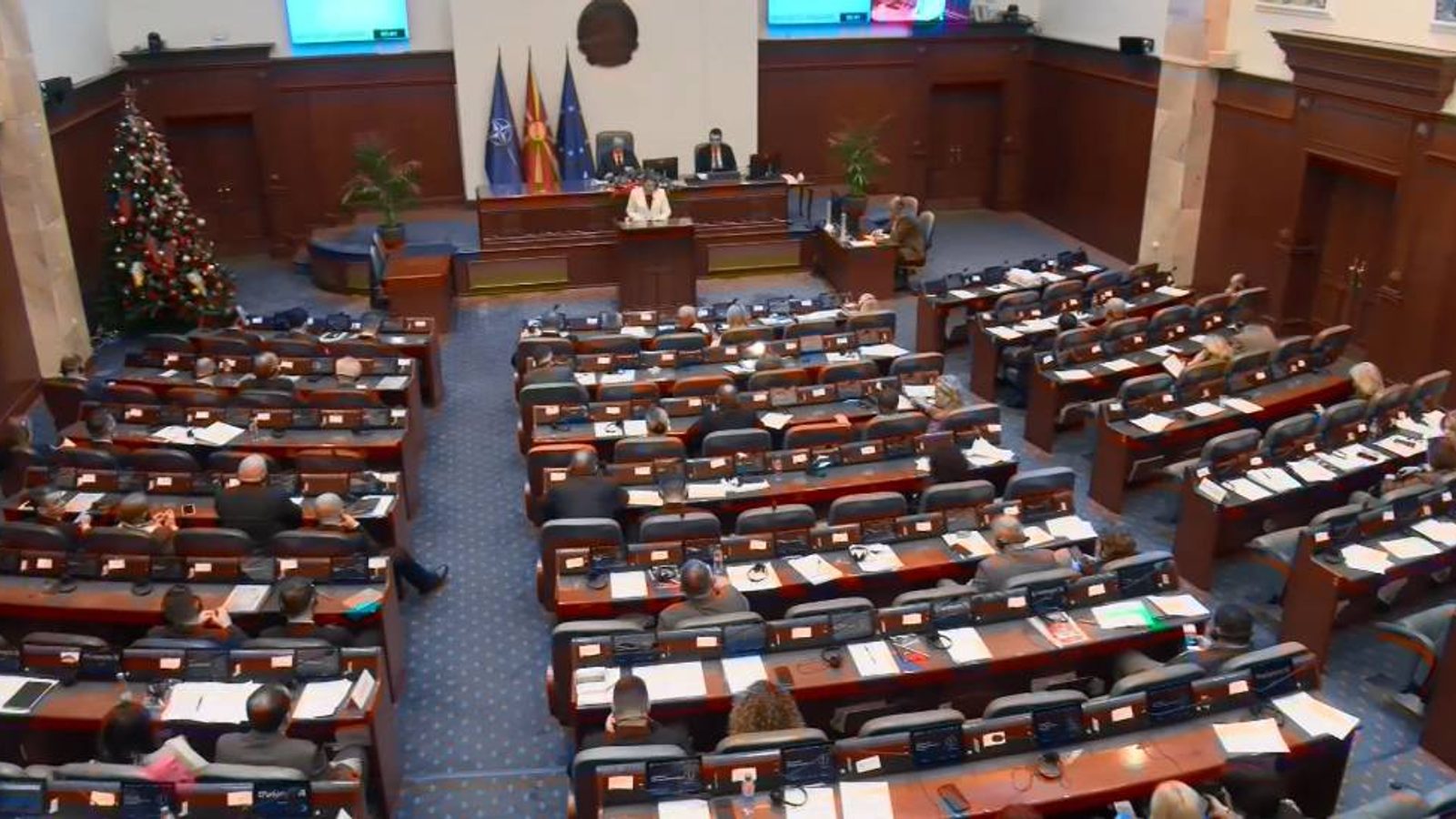
President Gordana Siljanovska‑Davkova marked the 35th anniversary of North Macedonia’s first post‑independence constitution on 17 November 1991 and warned about the frequency of constitutional change. “In comparative constitutional law we are record‑holders for amendments to the Constitution. What has happened to constitutional patriotism? I do not know, we should ask ourselves. Yet the basic question is: if the Constitution is the primary source of constitutional‑legal science, if it is lex superior, if it is the most important social contract between citizens and the Macedonian state, if it is the legal and political foundation of the state, why is it changed so often,” she said.
Siljanovska‑Davkova also noted that constitutions traditionally begin with “We the people” and suggested a reality where international actors play a persistent role: “All constitutions usually begin with ‘We the people’. Perhaps we should be ‘We the people and the international community’. I do not say this cynically… but I think we really need to consider it seriously,” she said, adding a legal and political reminder about EU principles and the potential sanctions mechanisms available under EU rules if member states violate them.
Prime Minister Hristijan Mickoski, who was also in Brussels and spoke at the EU Enlargement Forum 2026 organized by the European Commission, emphasised that enlargement should be merit‑based and focused on reforms. “Changes that affect national identity must not be conditioned for European integration, because that calls into question the credibility of the enlargement process itself,” he wrote on his Facebook profile.
North Macedonia’s EU perspective will also be on the agenda at the Brdo‑Brioni Process leaders’ meeting in Ohrid on 27 November 2026, organised by President Siljanovska‑Davkova together with the presidents of Slovenia and Croatia, Nataša Pirc Musar and Zoran Milanović. The Brdo‑Brioni Process, set up in 2013, aims to accelerate EU integration of the Western Balkans and strengthen regional cooperation.
Photo: press material from the event