Blind representatives ask for legal recognition of facsimile signature and improved accessibility
At a parliamentary event on International White Cane Day the National Union of the Blind presented demands including facsimile signatures, transport access and digital inclusion.
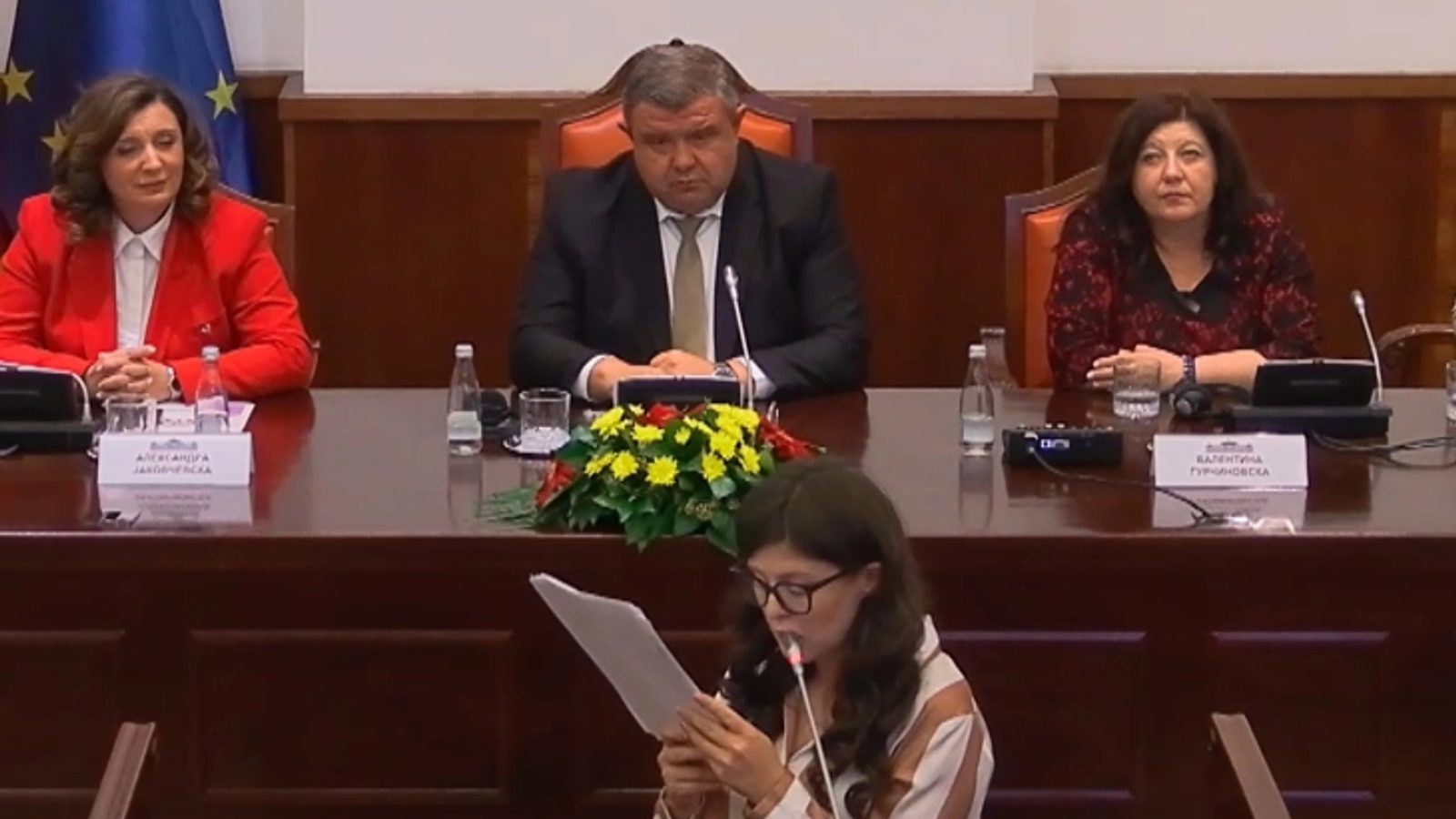
At a parliamentary event marking International White Cane Day, Keti Petreska, a representative of the National Union of the Blind in North Macedonia, presented a set of demands aimed at strengthening the rights and independence of blind and partially sighted people.
Key demands
Petreska told members of the interparliamentary group for the rights of persons with disabilities, MPs and government representatives that, despite decades of work by the union, the situation for blind people remains well below the standards set by the Convention on the Rights of Persons with Disabilities.
Her requests included legal recognition of the facsimile signature for blind persons, improved accessibility in public spaces and transport, better personal assistance and higher disability allowances, wider digital accessibility and ratification of the Marrakesh Treaty.
- Introduce facsimile as a legally recognized way for blind persons to sign documents.
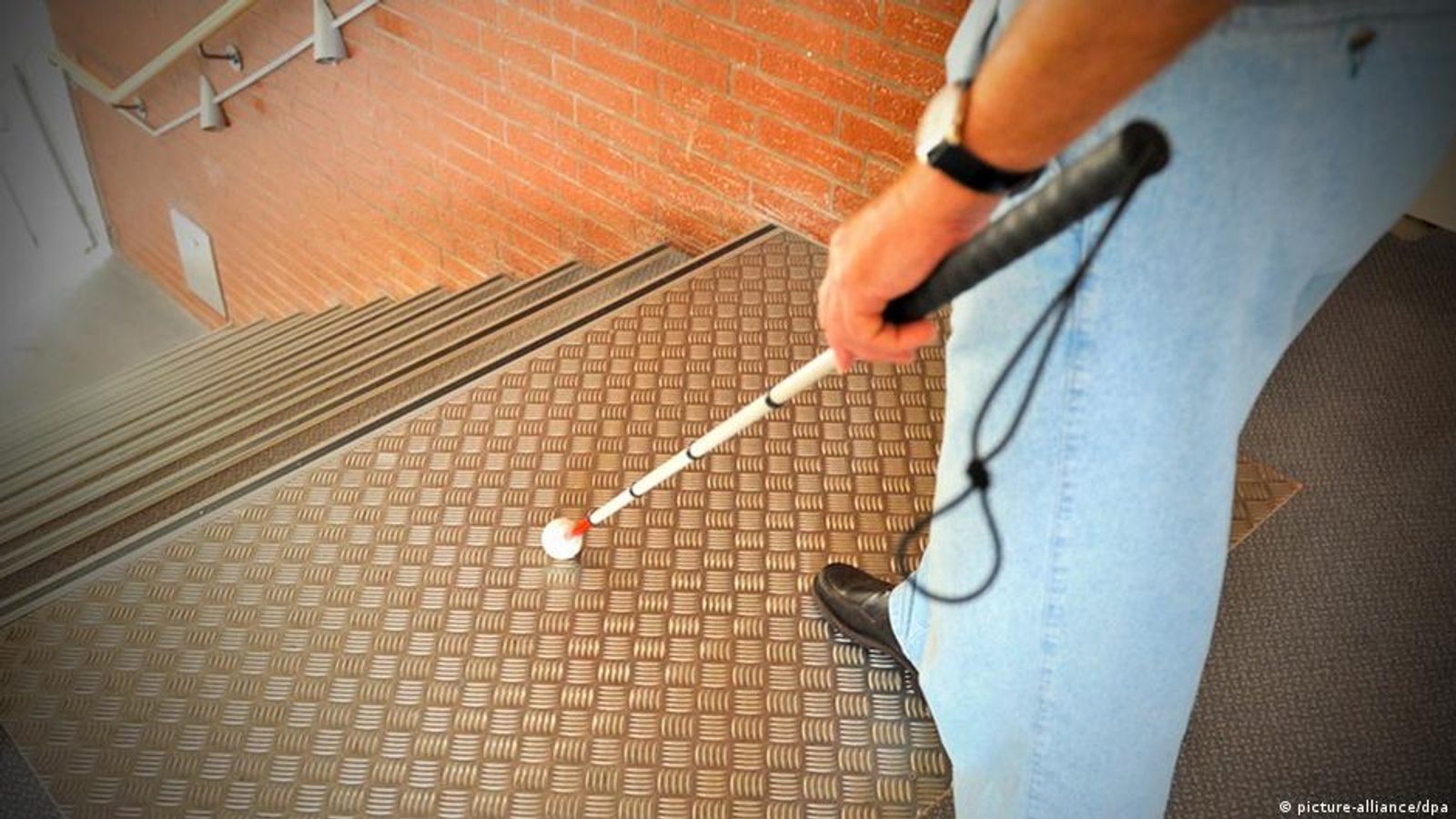
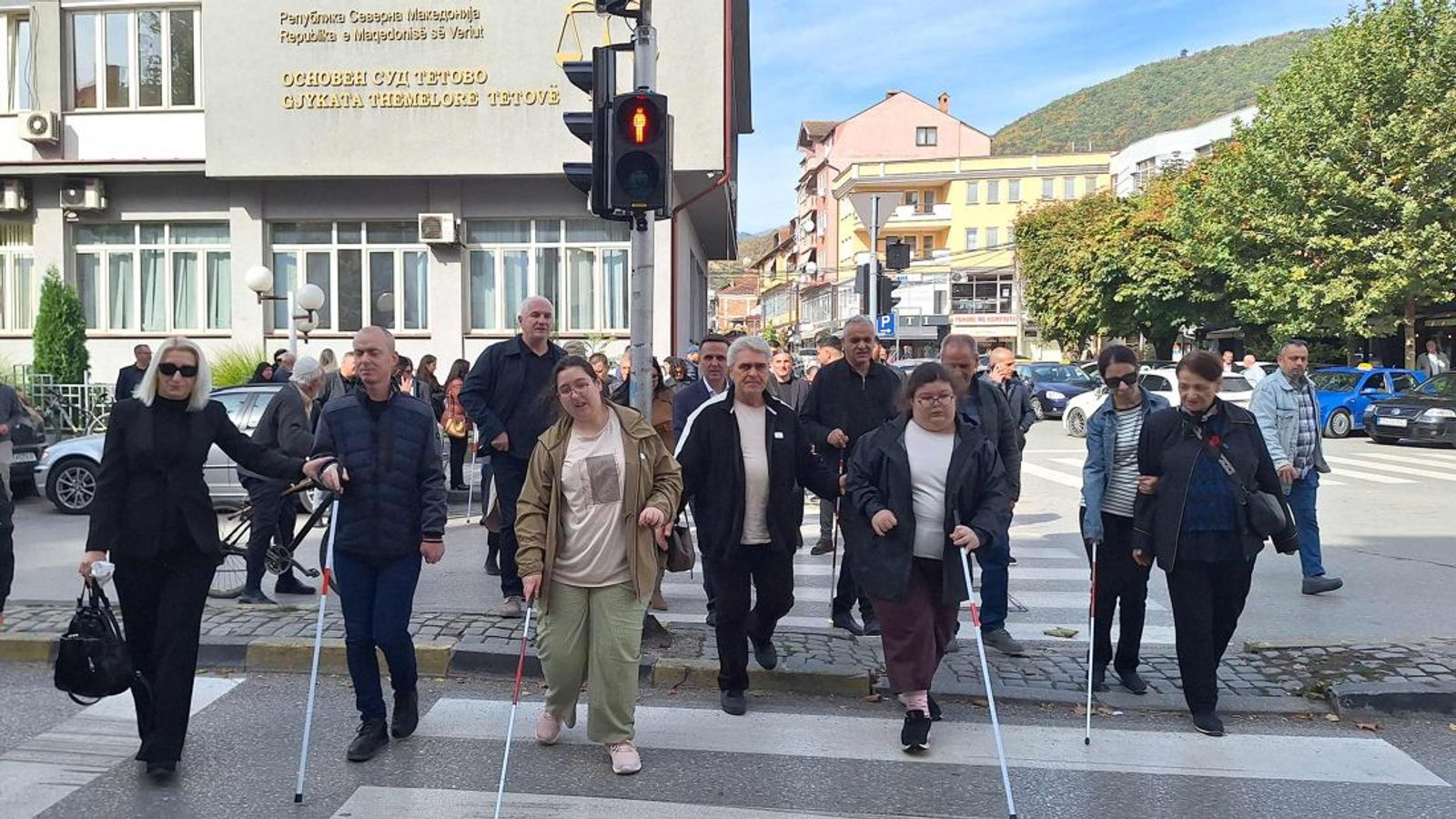
- Improve public-space accessibility with tactile paths, safe crossings and accessible public transport.
- Clarify and expand personal assistance services distinct from care, and simplify access to white canes and other aids through the Health Insurance Fund.
- Ensure digital accessibility is the norm and establish a fund for assistive technology and digital equipment.
- Ratify the Marrakesh Treaty and modernize the library for blind users according to European standards.
- Provide accessible educational materials, Braille, rehabilitation services and support for deaf-blind persons.
Petreska stressed the practical limits of mobility when environments are not adapted: "The white cane is a symbol of dignity and a means of movement, but if there are no appropriate conditions in the environment, its function is limited," she said.
She also called for consistent enforcement of digital accessibility standards and the creation of a dedicated fund for assistive technology and digital equipment: "We demand consistent application of digital accessibility standards and the establishment of a fund for assistive technology and digital equipment," the representative of the Republican Union said.
Minister of Social Policy, Demography and Youth Gjoko Velkovski said the planned reform of the disability assessment system should move beyond a purely medical diagnosis and take into account an individual’s functioning, environmental barriers and the support needed. He highlighted ongoing ministry efforts to improve the social protection system and develop services that support independence and social inclusion.
"Our approach is based on the principles that support should be available, timely and appropriate to individual needs. The rights established by the legal framework should be turned into concrete opportunities for greater independence, social inclusion and a dignified life for persons with disabilities," Velkovski said.
Government spokesperson Maria Miteva added that the experiences and proposals of persons with disabilities must be included in policy making and called on institutions to cooperate with organisations and experts to create conditions for greater autonomy for blind and partially sighted citizens.
Photo: press material from the event