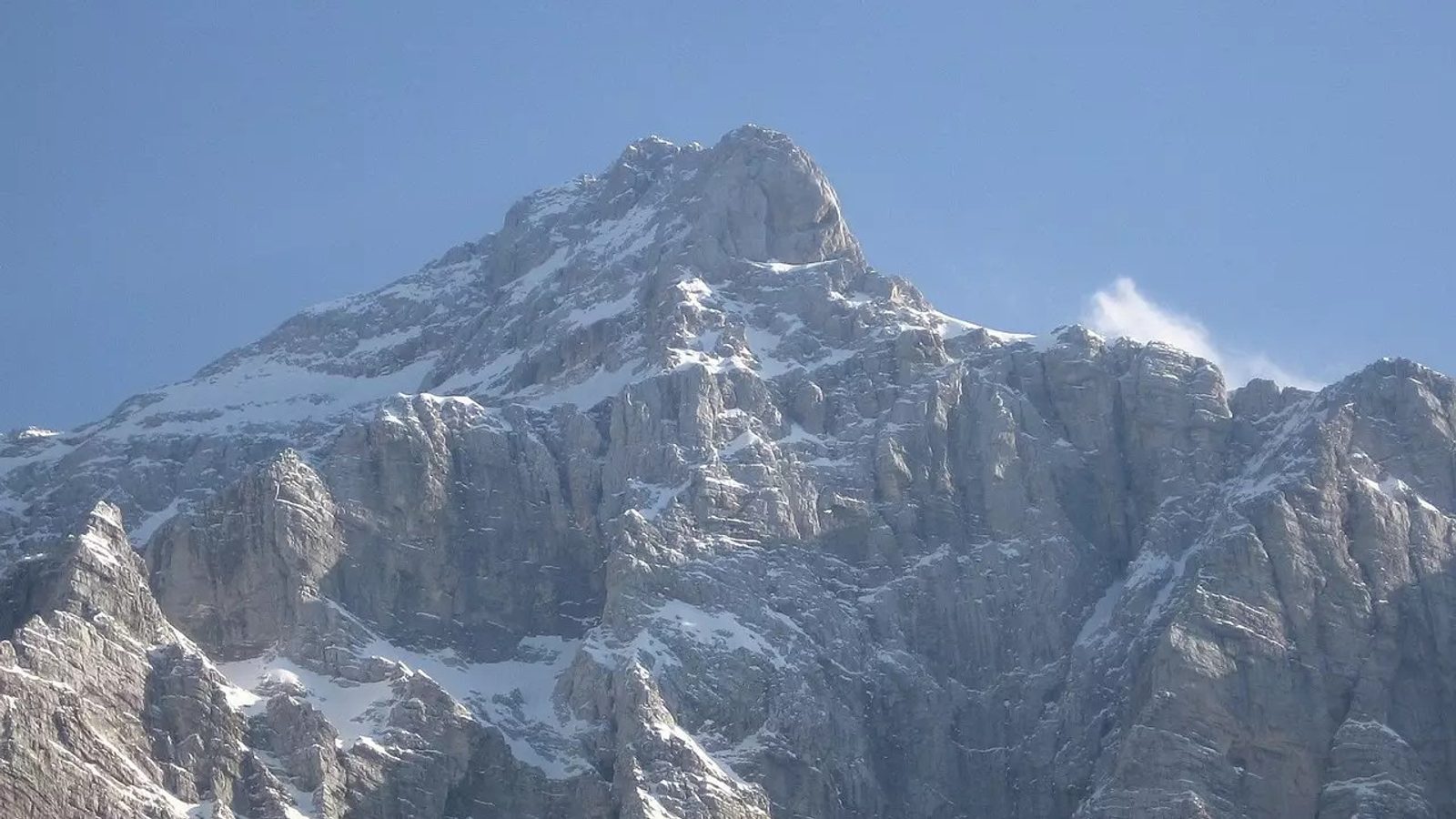
Skuta glacier on Triglav is close to disappearing
Scientists say Skuta’s area and thickness have dramatically fallen in recent decades, threatening water resources.
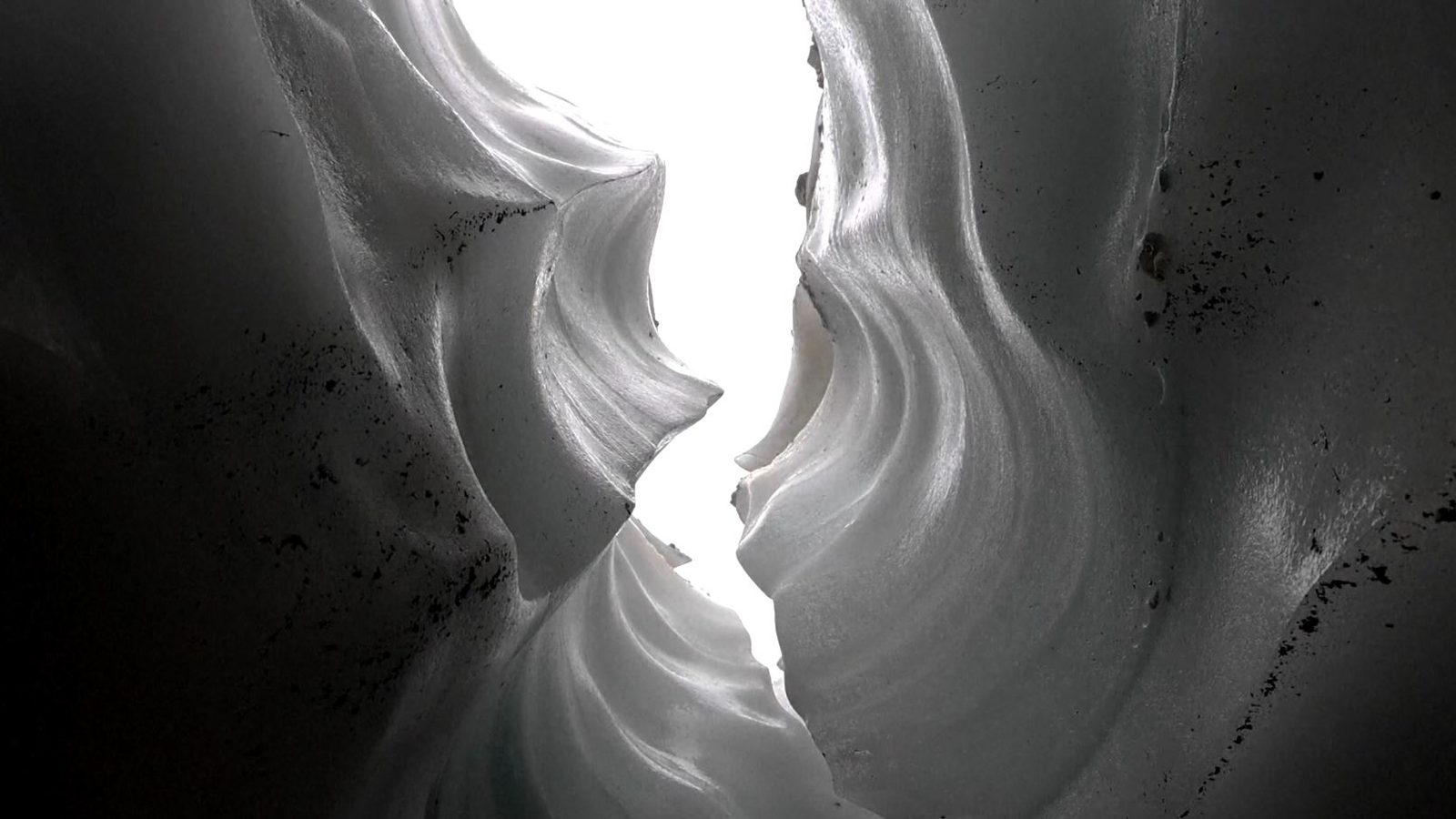
Slovenia is on the verge of losing its last remaining glacier, Skuta, after the ice body on Mount Triglav has almost vanished, scientists say.
Data from the Anton Melik Institute of Geography show the area of the Skuta glacier fell from about 2.5–3 hectares in 1946 to just 1.5 hectares today, while ice thickness that once measured several tens of metres is now reduced to only a few metres.
Rapid decline driven by heat and lack of snow
Researchers blame a sustained lack of winter snowfall combined with exceptionally hot summers for accelerating melt across the Slovenian Alps. Geographer Miha Pavšek warns the process has sped up particularly over the last decade.
Although rocks and gravel now cover some 80–90 percent of the remaining ice surface and provide partial protection against sunlight, they have not stopped the glacier’s retreat.
Experts emphasise that the disappearance of glaciers is more than a symbolic loss: shrinking ice masses alter river flows and groundwater recharge and therefore pose a real threat to water supplies used for drinking and other needs.
Photo: press material from the event