Veterans in Tetovo oppose street name for Džafer Sulejmani
Tetovo veterans request immediate rejection of a proposal to name a street after Džafer Sulejmani, citing his wartime role and a post-war conviction.
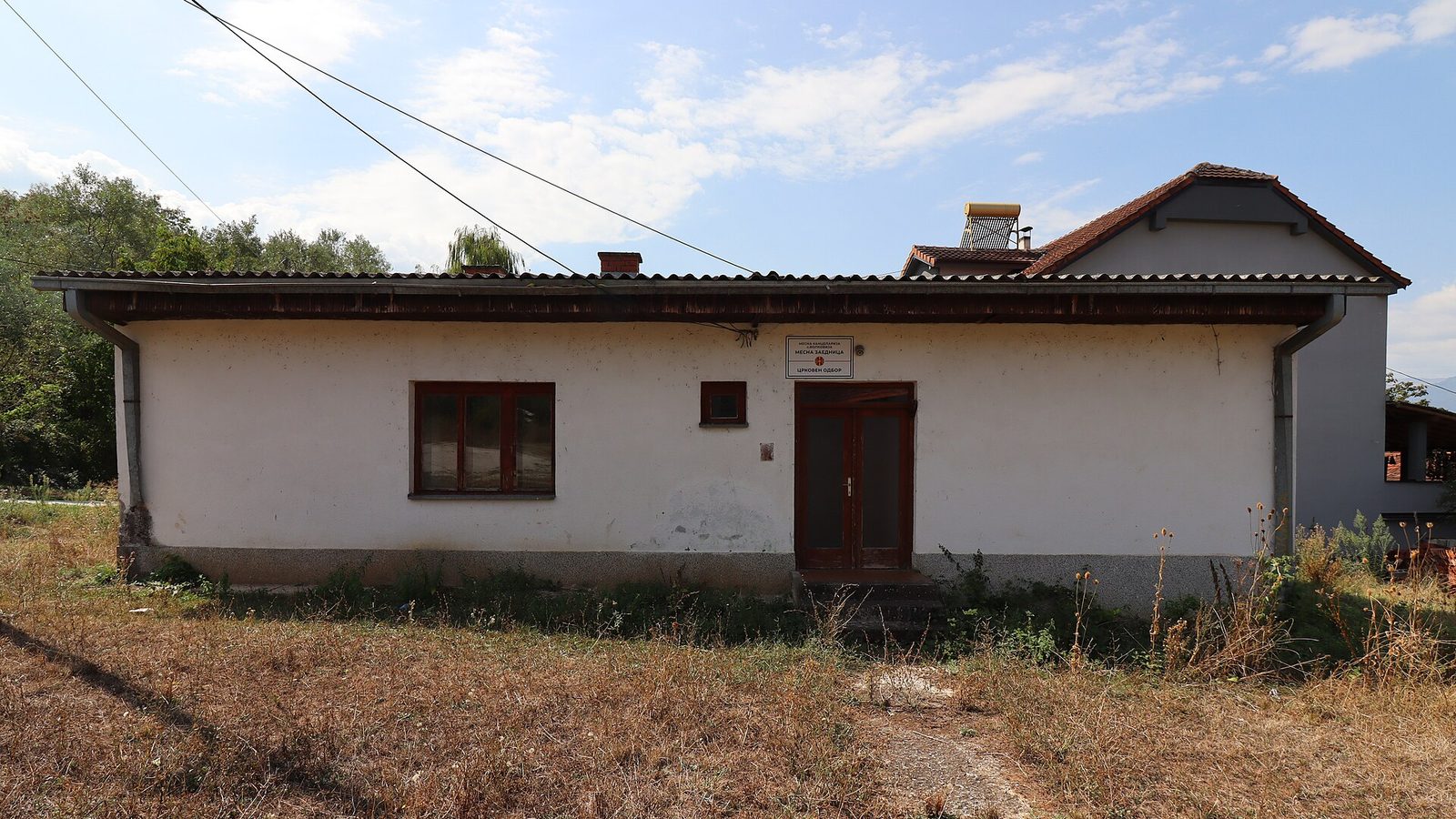
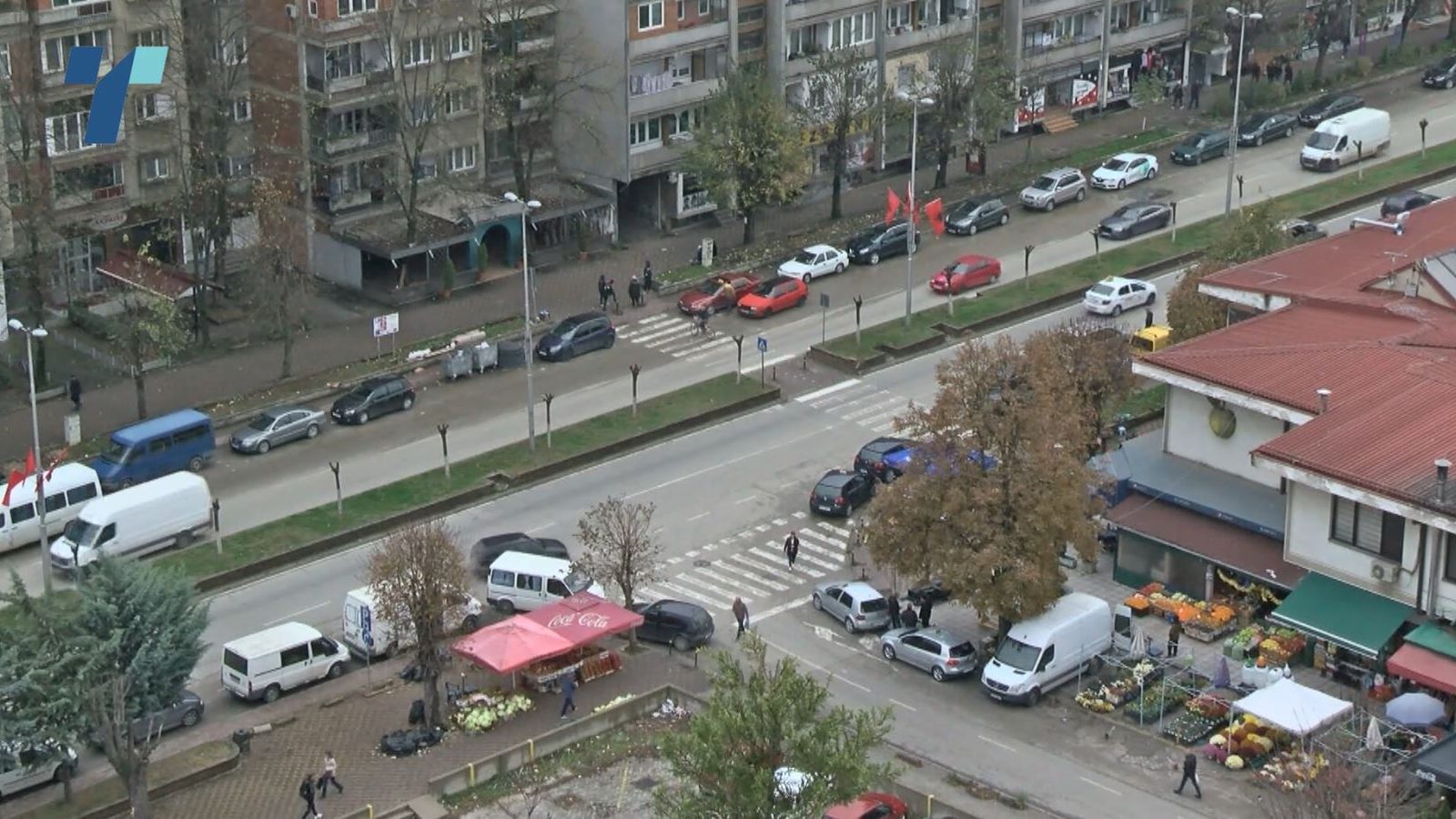
The local Union of Veterans in Tetovo has publicly demanded that city authorities withdraw a proposal to name a street after Džafer Sulejmani, arguing that the proposal omits key facts from his wartime record and amounts to an attempt to rehabilitate figures linked to the fascist occupation.
Veterans' group cites wartime appointment and reprisals
The union reviewed draft lists of more than 200 proposed street names and singled out Sulejmani, who appears in the official proposals as a “prominent doctor”, as particularly problematic. The veterans point out that he was appointed mayor of the Tetovo municipality during the fascist occupation in 1941 and insist that this part of his biography must not be ignored.
According to the veterans, Sulejmani "in July 1943 in occupied Tetovo received the fascist general and viceroy Alberto Pariani with the highest city honours and bread." They say the occupation years were marked by suffering of innocent citizens, repressive policies, propaganda and militarisation.
The statement from the Union also recalls the attack on the Kuzmanovski family: on the night of 7 June 1943, on the eve of the wedding of their daughter Marica, the family was killed inside their home by an occupying ballistic gang. The veterans further note that "Džafer Sulejmani after the liberation was lawfully convicted by the competent court."
For the Union of Veterans, naming a street in free and sovereign North Macedonia after a mayor who served during the fascist occupation would be an act against the state and a crude attempt to rehabilitate those who harmed the nation, they said.
From the municipal working group responsible for the street-name overhaul, chairman Albi Qamili defended the proposals as reflecting the reality and history of Tetovo and the city’s ethnic communities. He said the process will be finalised soon with a comprehensive, institutionally sustainable solution.
Photo: Kiril Simeonovski / Wikimedia Commons (CC BY-SA 4.0)