Stokomak brings mini electric vehicle to North Macedonia: €3,999 and 25–30 denars/100 km
The small city vehicle can be driven with an AM licence from age 16; the seller declares electricity costs of 25–30 denars per 100 kilometres.
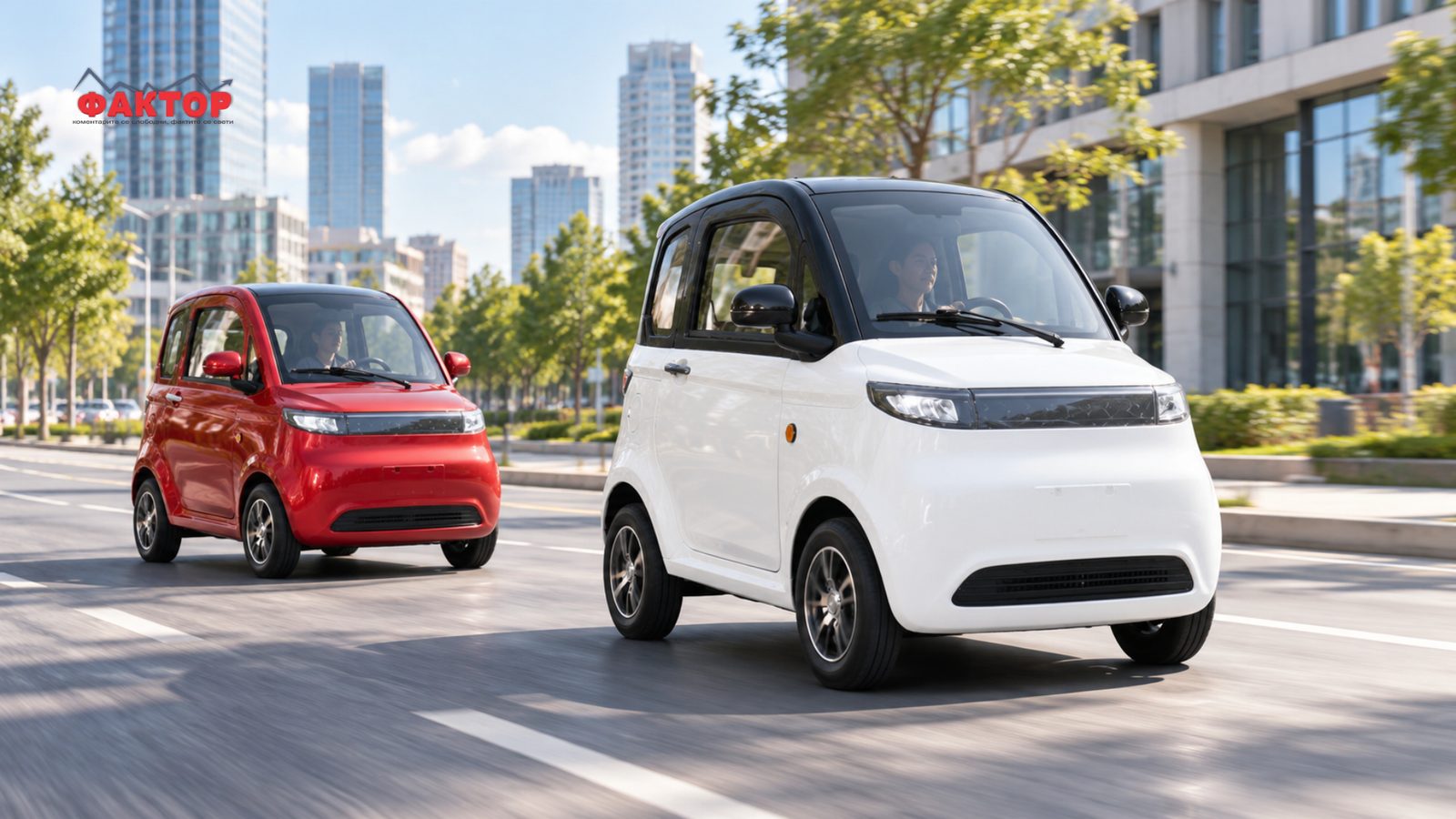
Stokomak is preparing to sell a mini electric vehicle in North Macedonia priced at €3,999, a compact two‑seat model aimed at short urban trips. The retailer says the vehicle can be driven with an AM licence from age 16 and declares electricity costs of only 25 to 30 denars per 100 kilometres, putting operating costs below the price of a coffee for that distance.
What the offer includes and how registration works
According to the company, the vehicle is registered once like a scooter and thereafter only annual insurance is required. The firm says a test vehicle is available at its Usje market for customers to inspect and try.
Stokomak provided a description of the purchase process: after payment on a proforma invoice the buyer receives documents from the directorate and the market. These documents are used to continue with technical inspection and registration, and the buyer must check whether an additional homologation will be required because the vehicle is imported. The company also emphasised practical details and customer support during handover.
Other sellers are already listing similar models, which suggests a budding segment rather than an isolated product. VI Motors from Vinica advertises a two‑seat model for drivers with an AM licence arriving in November at a price of 4.200 euros. The AERA SQ4 is also offered on the market at about 8,000 euros; the seller lists two seats, a speed limit of up to 45 km/h and a declared maximum range of 80–90 kilometres.
The idea behind these vehicles is simple: many city trips carry a single passenger over short distances. A closed cabin with a roof, doors and room for a second person or a small bag offers more protection from weather than a scooter or e‑scooter while using much less energy than a conventional car. That combination is what makes the segment attractive for urban mobility.
Despite the low declared consumption — 25–30 denars per 100 km — buyers must weigh other costs: purchase price, warranty and service network, spare parts availability, and battery life or replacement costs. Whether these micro electric vehicles become a widespread, long‑term alternative will depend on how those items evolve in the coming years.
Photo: press material from the event