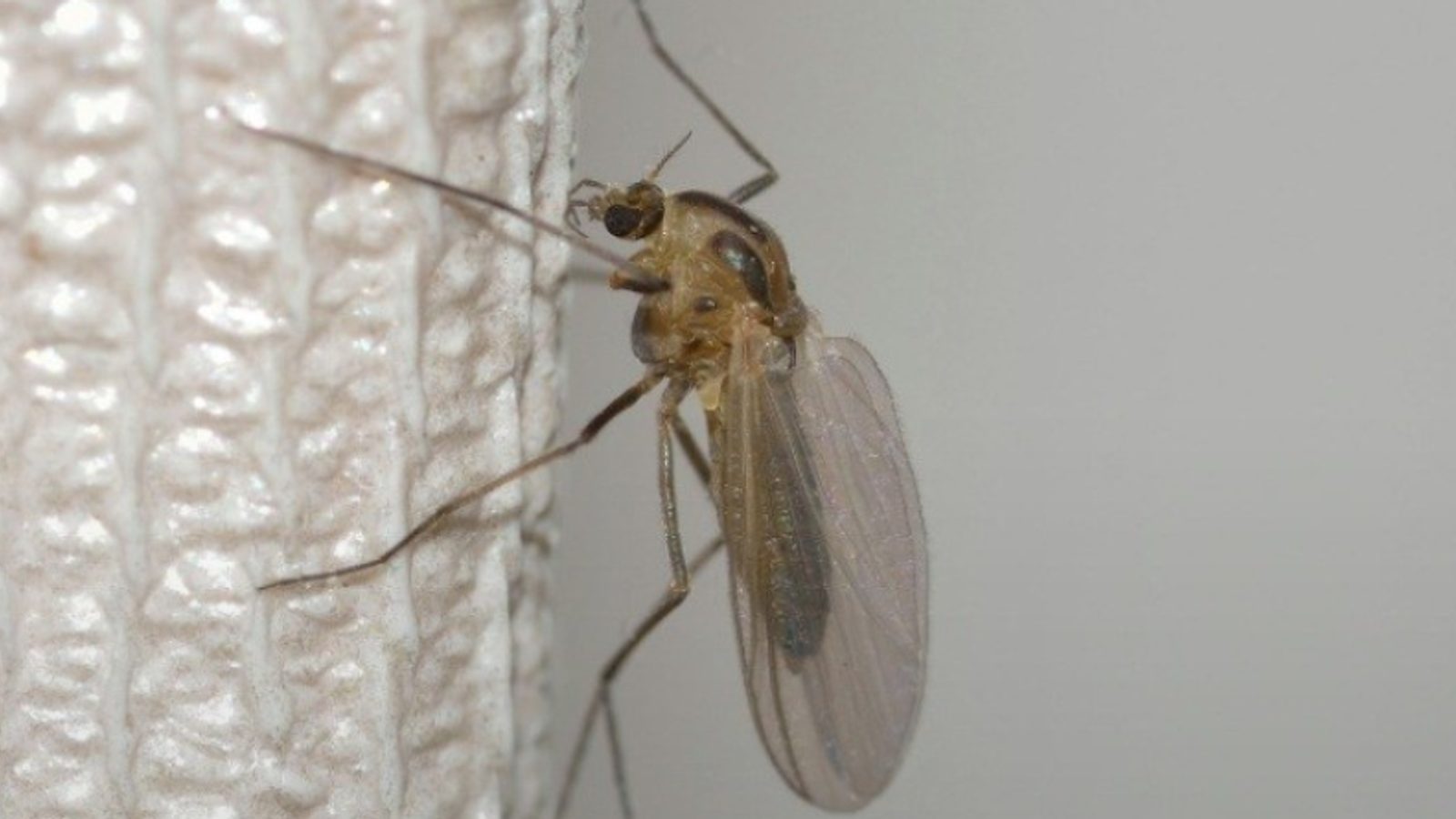
Serbia: student wakes after 50 days in coma following mosquito‑transmitted West Nile infection
A young student who fell into a 50‑day coma after a mosquito bite is now in slow rehabilitation while doctors explain how rare but severe neuroinvasive West Nile cases occur.
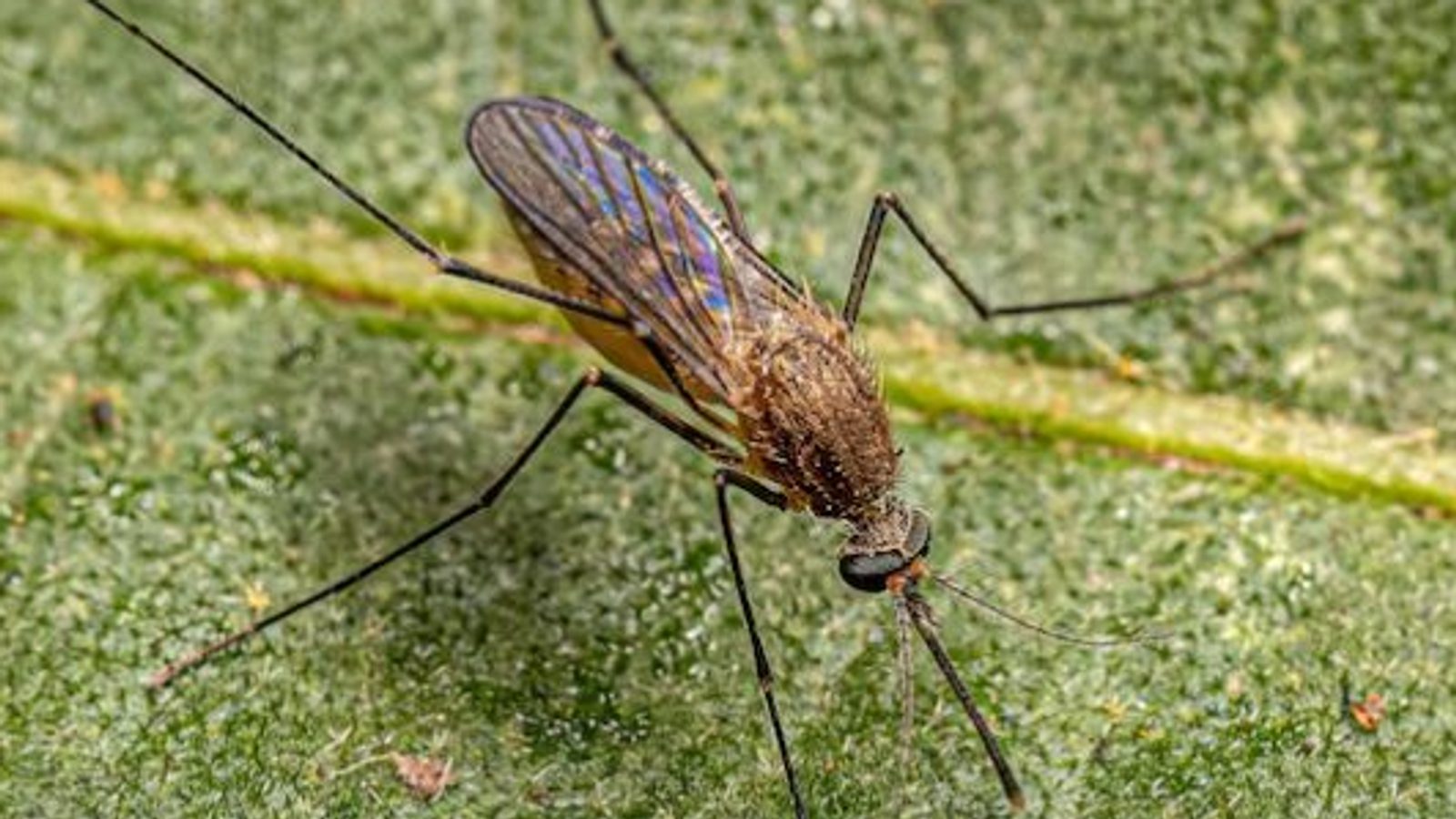
In Serbia, from June 1 to September 6, 37 cases of West Nile fever were recorded, with a predominance of patients who developed more severe clinical presentations. One case — a young university student who two years ago fell seriously ill after a mosquito bite — illustrates how, in rare instances, the infection can leave long-lasting damage.
The student’s aunt, Nikolina Marić, told a morning television programme that two years earlier the woman had been perfectly healthy, studying at university and planning her future. At first the illness resembled a strong flu.
“She is very young and that's why we couldn't assume it was this virus, because a small percentage of those infected develop such a severe clinical picture. Most often it is older people who have chronic illnesses. My granddaughter is very young. When this happened two years ago, she was a completely healthy girl, attending university and was close to finishing her studies,” Marić said.
Soon after doctors confirmed the diagnosis by testing cerebrospinal fluid, the student fell into a coma. “She fell into a coma very quickly. It was a huge shock for the family. Even now we are going through hell, because after 50 days in a coma she woke up but her vital functions were in very poor condition. There is brainstem damage and for the second year she has been treated for the consequences. She cannot speak, speaks very little and barely intelligibly, is fed through a gastric tube and cannot walk,” Marić said.
Slow, interrupted rehabilitation
The woman is now in rehabilitation, where with her mother's help she is relearning to speak and to walk. Recovery has been slow and repeatedly set back by infections acquired during long hospital stays. “Just when rehabilitation makes some progress, when she starts motor exercises and speech therapy, she gets some infection, her temperature rises and then for half a month we fight to bring it down. Stop-and-go — that is roughly how her recovery looks,” Marić said. The family hopes she will regain at least some lost abilities.
Epidemiologist Dr. Slavica Maris explained that the period from the bite by an infected mosquito to the onset of the first symptoms can range from two to 14 days, and that about 80 percent of those infected never develop clinical signs. Among people who do get symptoms, the disease usually resembles influenza — fever, headache, muscle pains, nausea, vomiting, swollen lymph nodes and a transient rash on the chest, back or abdomen. “In a very small percentage, less than one percent, or roughly one in 150 infected, a more severe form may develop. We call this the neuroinvasive form, when inflammation of the brain — encephalitis — inflammation of the meninges — meningitis — or acute flaccid paralysis can occur,” Dr. Maris said. Such severe cases require hospital treatment and can present with intense headache, stiff neck, disorientation, impaired consciousness or coma.
The consequences of neuroinvasive disease can last for years and include pronounced fatigue, persistent weakness and problems with balance and walking. Commenting on the student’s case, Dr. Maris added: “This is a very unusual story. I remember well that two years ago we were all surprised and shocked when we learned that such a young woman had such a severe clinical picture. We really do not know what happened in her body. Was her immunity weakened? As far as I am aware, she has no chronic illness, but each body is different and reacts differently to viruses. Sometimes it is very hard to explain what causes such a severe reaction after infection.”
Because it is impossible in advance to know which mosquito carries the virus, prevention focuses on avoiding bites: limit prolonged outdoor time at dawn and dusk when mosquitoes are most active, wear light, loose clothing with long sleeves and trousers, apply repellents to exposed skin and empty containers of standing water on terraces and in yards at least once a week. The family continues to hope for gradual improvement. “We hope she will reach a state in which she can live a decent life, at least to some extent be able to move and talk,” Marić said.
Photo: press material from the event