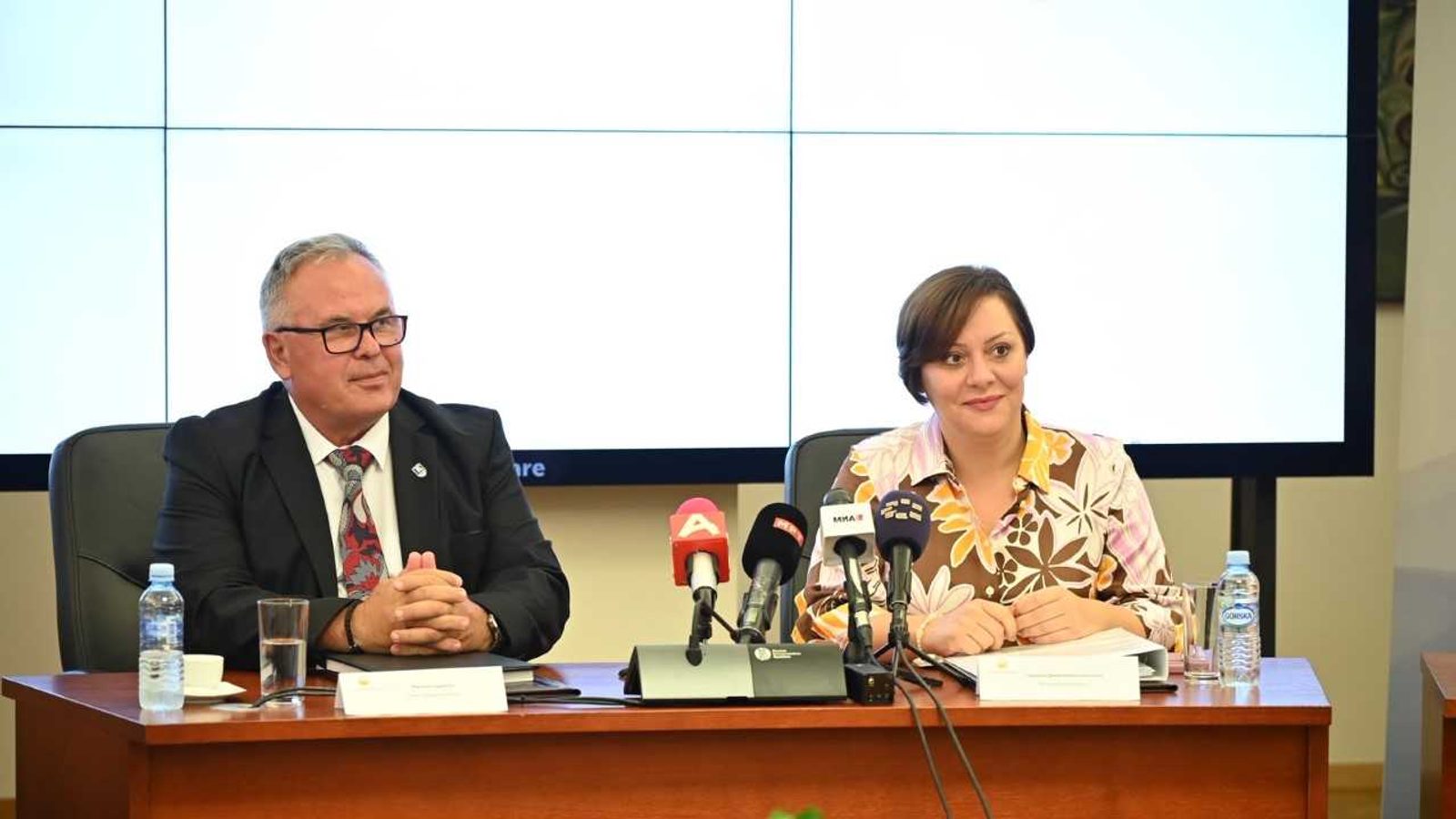
Judge Jovan Ilievski to stay at the European Court of Human Rights until successor is chosen
His nine‑year mandate formally ended on 31 January, but delays in the domestic selection mean he will continue in Strasbourg until a new judge is appointed.
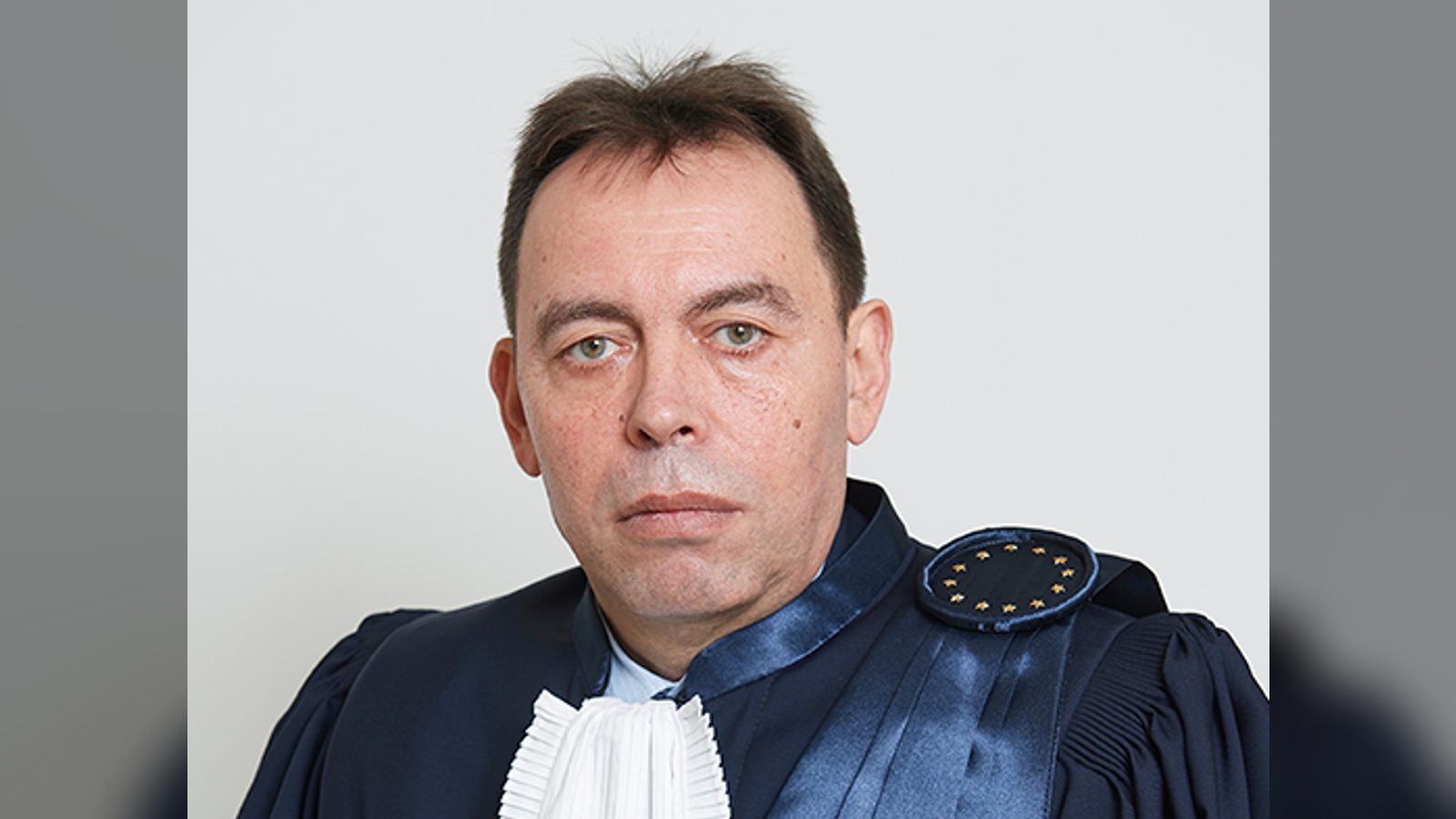
Judge Jovan Ilievski’s nine-year term at the European Court of Human Rights (ECHR) formally ended on 31 January this year, but he will remain in Strasbourg until a successor is chosen because North Macedonia has not completed the replacement procedure.
The current wording of the European Convention on Human Rights allows a judge to stay on the bench until replaced, which preserves continuity at the Court but creates a problem when the domestic selection is delayed. In April this year the Parliamentary Assembly of the Council of Europe recommended that the Committee of Ministers draft a protocol to amend the Convention so the automatic, open-ended continuation would be abolished and a judge could remain in office for at most one additional year after the nine‑year term expires.
Domestic selection stalled after candidates were returned by Council of Europe experts
The national selection process has faced a new setback after the advisory panel of experts at the Council of Europe returned the nomination of Ana Dangova‑Hug and asked for a replacement on the list; the domestic commission submitted lawyer Jelena Ristic in her place. Earlier, lawyer Jordan Apostolski had also been returned.
According to the selection commission, the panel’s opinion on the third candidate is still pending. If Ristic passes the vetting, the three proposed candidates — Ristic, lawyer Natasha Boshkova and the dean of the Faculty of Law "Justinijan I" Sasho Georgievski — will be invited for interviews and the plenary will then choose one of them. The commission notes that these steps require time, and that North Macedonia is already late with the appointment.
Darko Avramovski, director of the coalition All for Fair Trial, said the legal framework currently allows continuity but that prolonged delays are problematic. He also stressed that the repetition of the procedure and the comments from Council of Europe bodies prompted additional review and extended the national process: "The expiry of the nine-year term does not automatically lead to cessation of duties, because under Article 23(2) of the European Convention on Human Rights, a judge remains in office until replaced. Therefore, under the current solution, Judge Ilievski may continue to perform the function even after the expiration of the nine-year term, until his successor takes over, and he remains a member of the Court as the judge elected from North Macedonia. At the moment, the Convention does not provide a time limit for extending the mandate, so although this solution ensures continuity in the work of the Court, if a new judge is not elected by the expiry of the current judge's term, an unlimited postponement of the election is still problematic. Precisely for this reason, in April this year the Parliamentary Assembly of the Council of Europe recommended that the Committee of Ministers prepare a protocol to amend the Convention, by which the automatic and temporally unlimited extension would be abolished, and the judge would remain in office for at most one more year after the expiration of the nine-year term."
Avramovski added: "In our context it should be borne in mind that the prolongation of the procedure is the result, both of the annulment of the first selection process and of the comments received within the procedure before the Council of Europe bodies regarding the proposed candidates, which led to further reconsideration and extension of the process. The Coalition 'All for Fair Trial', together with the Macedonian Association of Young Lawyers on behalf of the 'Blueprint group' monitored the national procedure, but did not participate in the selection. As observers, our remarks related mainly to the way the domestic procedure was conducted, i.e. its organization, transparency, the methodology for assessing and interviewing candidates and the need for the selection to ensure clear and accountable application of the criteria. Subsequent developments in the procedure further underscore the importance of the national process from the very beginning to ensure the selection of candidates who indisputably meet the Council of Europe criteria."
The current stalemate began after the government annulled the original proposal list — which had included public prosecutor Lenche Ristoska, judge Gabriela Gajdova and Jordan Apostolski — without giving detailed reasons. A new commission was formed with members proposed by the government, and on the repeated call only Apostolski reapplied, without receiving an explanation from the government about which criteria he had allegedly failed to meet.
Photo: Evropski sud za chovekovi prava