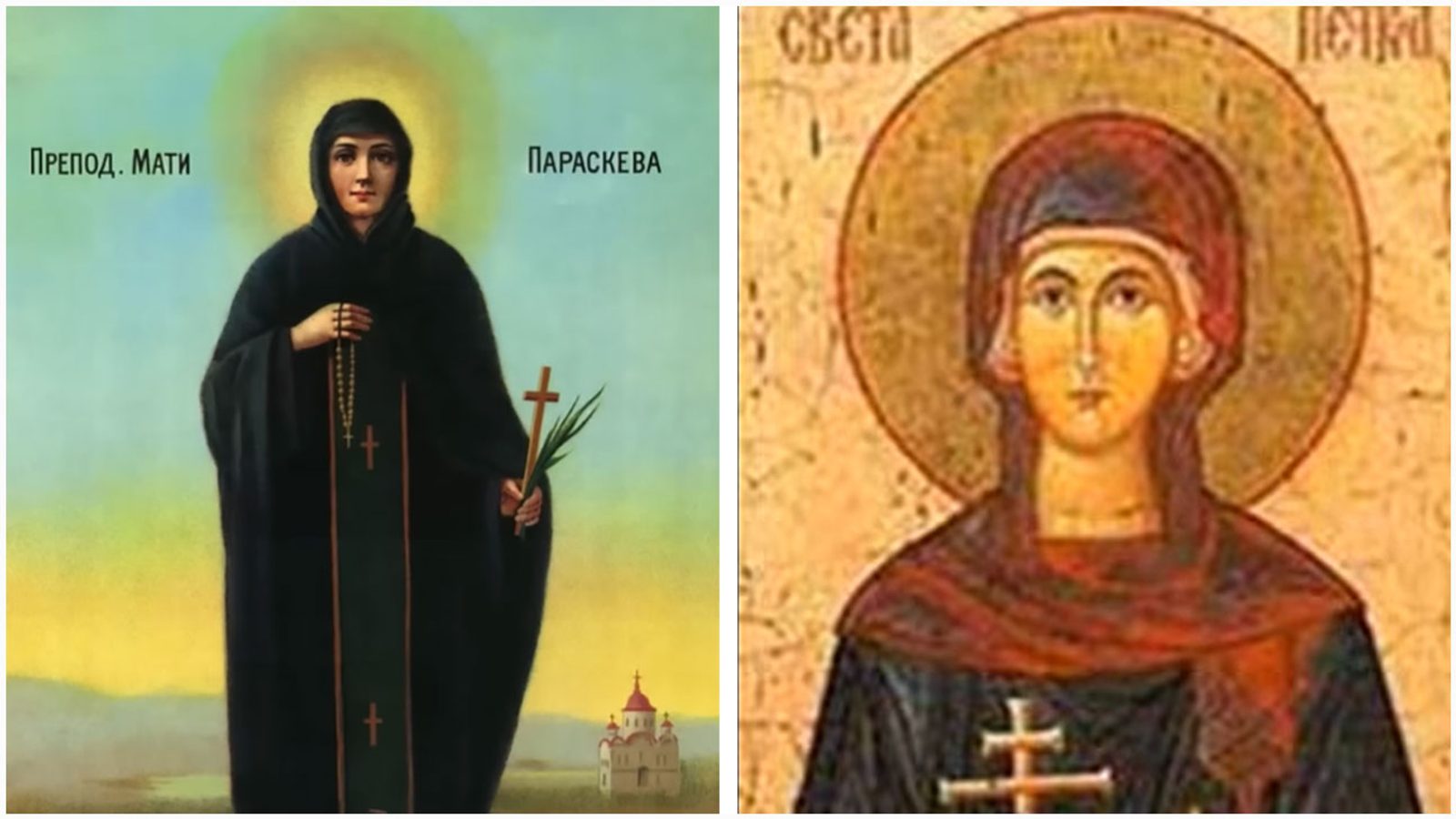
Saint Petka: what Petkovden commemorates, her life and why she visits in dreams
Saint Petka — Mother Paraskeva — is celebrated across the region with church rites, healing springs and family observances on Petkovden.
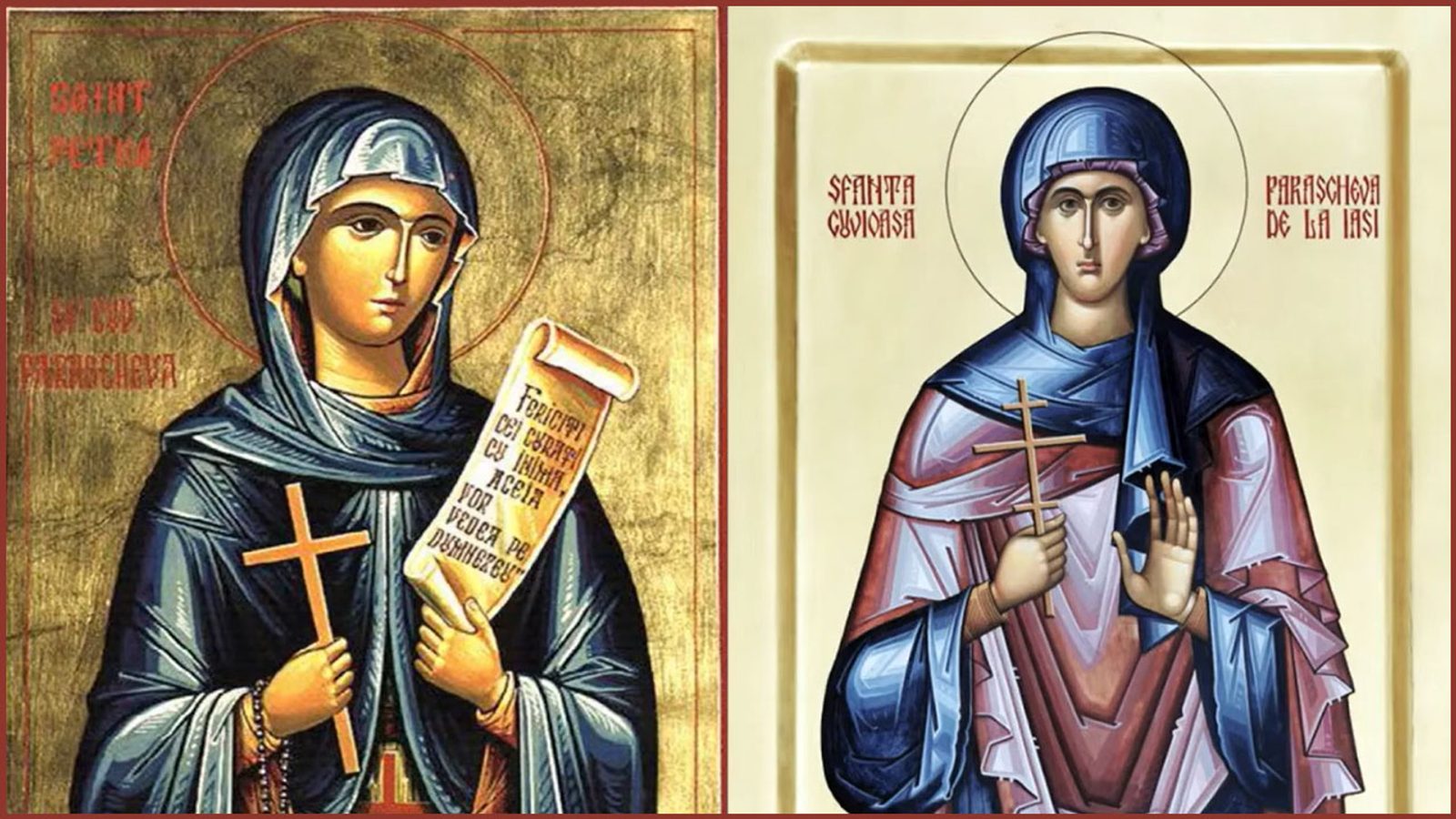
Saint Petka — also called Mother Paraskeva and often known as the Black Saint Petka — is one of the most venerated figures in the Orthodox popular tradition in this region. Devotees see her as a protector especially of women, children and the elderly, and numerous local rituals and shrines are dedicated to her.
One of the main feast days connected with her is Petkovden, observed across many communities. On that day believers traditionally bring wine, a loaf of bread and wheat to church; many families keep Petka as a household patron and mark the day with a liturgy and small home rituals.
Life, relics and why the name matters
Church tradition identifies three saints named Paraskeva–Petka; most often they are associated with Saint Paraskeva of Epivata. According to her hagiography she was born in Epivat in Thrace on the shore of the Mediterranean toward the end of the 10th century. Her parents were pious and of Slavic origin, and she had a brother named Eftimie, later bishop of Madytos. She lived with her parents until their death, then went to Constantinople and later to the Jordan desert (in present-day Israel) where she led a life of fasting and prayer. She returned to Epivat and, according to the vitae, died in the 11th century. Her wonderworking relics were moved several times and today are kept in the Romanian city of Iași.
In many places the cult of Saint Petka is tied to healing: springs and wells named for her — often called "Friday waters" in local speech — are believed to have curative properties. In North Macedonia her following has been particularly strong in the Mariovo region, where people credit her with protection from drought, floods, infertility, lightning and other misfortunes. The holiday is frequently observed more actively by women.
Popular belief also holds that Saint Petka can appear to the faithful in dreams for two reasons: "to offer consolation and to bring good news," or as "a warning when we are committing some wrong." On her feast day worshippers honor her with prayer and incense, and traditional custom discourages heavy household work.
Photo: press material from the event