Saint Agatonik (Arlijevdan): why people attend markets and pray for health today
The 4th-century martyr’s feast blends church observance with market customs and prayers for sight and skin health.
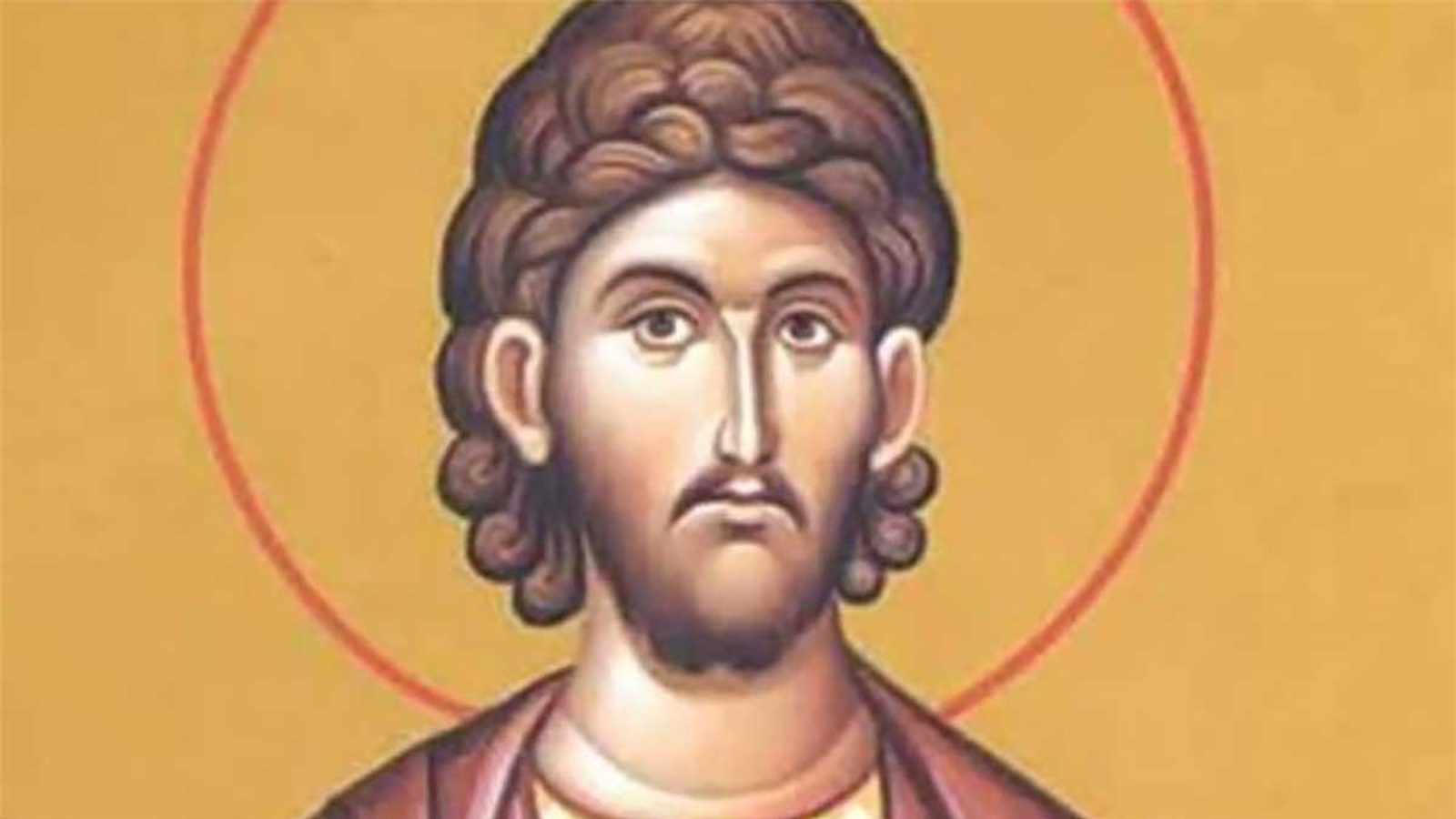
The Macedonian Orthodox Church – Ohrid Archbishopric and Orthodox faithful mark the feast of Saint Agatonik, a 4th-century Christian martyr, on this date. Known in folk tradition as Arlijevdan, the day combines religious remembrance with long-standing local customs that encourage social gatherings and trade.
Who was Saint Agatonik and his companions
According to tradition, Saint Agatonik lived in Nicomedia and preached the Gospel until he was arrested during the persecutions under the emperor Maximian. After torture he was taken to Thrace and executed by beheading; later a church in Constantinople was dedicated in his name. The story of this martyrdom is connected with other early Christian victims: "Machenici Zotik, Teoprepij (Bogolep), Akindin, Severijan i drugi (305-311)" — names and dates that remain part of local hagiography.
Over time Agatonik came to be regarded as a protector of people with health problems, especially those affecting the eyes and the skin. For that reason many believers attend services on his feast, light candles and pray for healing and protection for family members.
Folk tradition places the feast between the major commemorations of the Mother of God — the Dormition (Great Bogorodica) and her Nativity (Little Bogorodica). This interlude at the start of September has historically been the season for fairs, markets and visits where people settle disputes, renew friendships and make practical arrangements before winter.
Because of those market gatherings, a widespread belief developed that goods bought on Arlijevdan bring prosperity, progress and well-being to the household. The custom encourages people to go shopping and trade on the day — both to profit materially and to maintain social ties.
The feast thus ties together religious memory, family patronal observances and popular customs: it commemorates a Christian martyr, reinforces networks of community exchange, and keeps alive the folk practices that have shaped daily life at the start of autumn.
Photo: press material from the event