Tetovo: Street attacks on Macedonian children, prosecutors and social services blame schools
Videos of beatings circulate on TikTok groups; prosecutors and social services point to failures by schools’ pedagogical staff.
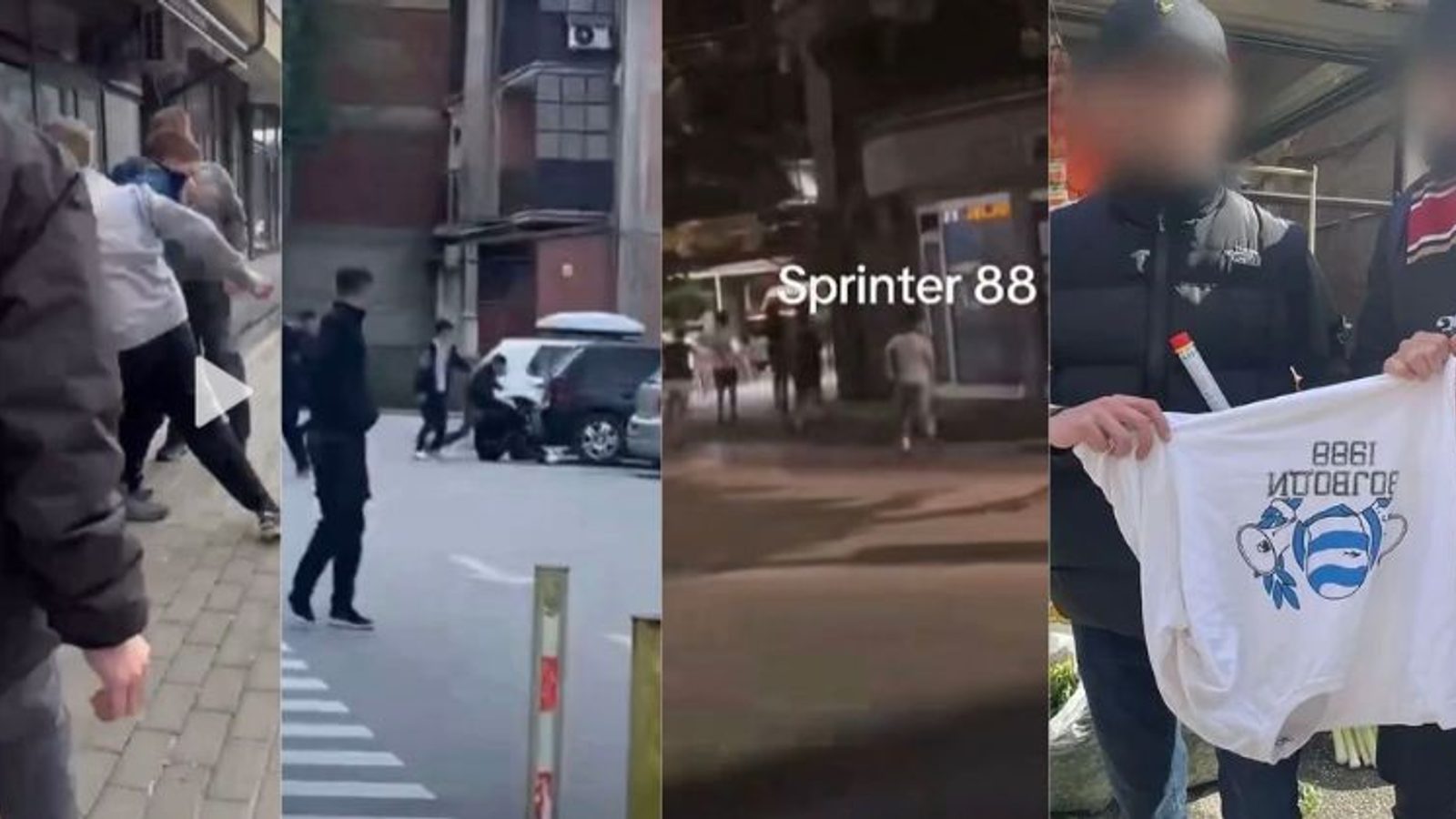
Street attacks in Tetovo against ethnic Macedonian children have surged in recent weeks, with groups of peers — often boys aged 13–14 — assaulting younger classmates and posting the incidents on TikTok under group names such as "Kaurški pički" and "Balisti". Many perpetrators are under 14 and therefore not criminally liable, while videos of the beatings circulate widely online.
The Public Prosecutor's Office and the Center for Social Work (CSW) in Tetovo say the specialists working with the children consider school services primarily responsible for the repeated interethnic attacks, arguing that pedagogues, school psychologists and directors fail to act even though the incidents usually happen during long breaks and in plain sight.
Authorities, parents and social services respond
Officials underlined that: "Criminal liability does not apply only for wrongful actions, but also for inaction by those pedagogues, psychologists, directors." The prosecutor’s office and the CSW praised the cooperation they have received from both parents of the perpetrators and the children themselves, who reportedly admit involvement when interviewed.
Parents of victims describe brutal beatings that leave lasting effects and say they now accompany their children when they go out. Incidents are reported to occur on foot or while attackers ride electric scooters; typically one child is caught while others stand by, record on phones, and then flee. A parent from Tetovo whose son was attacked on 22 October 2026 posted the episode on social media, describing how five children stopped his son and another 11-year-old, seized them by the throat and tried to remove their jackets to check whether they belonged to a rival group.
The Interior Ministry’s Tetovo police unit (Sektor za vnatreshni raboti Tetovo) urged parents to immediately report any suspicious or violent event to the nearest police station or to the free number 192. In its reply the police said: "SVR Tetovo acts appropriately for every case concerning the safety of minors. The protection of children, prevention of juvenile violence and preservation of public order and peace are a top priority in the daily work of the police. During 2026, 12 incidents affecting minors of different ethnic communities were reported to SVR Tetovo. Five cases have been cleared in which perpetrators were identified and legal measures were taken, including misdemeanor proceedings against parents/guardians pursuant to Article 34 of the Law on Misdemeanors against Public Order and Peace (ZPPJRM)."
The police added that three criminal offenses have been completed with evidence compiled and two criminal charges forwarded to the Basic Public Prosecutor's Office in Tetovo, while one criminal case is being finalized and will be forwarded shortly. Four recent cases remain under active investigation; in two of those the perpetrators are already known to police, and for the others work continues to document evidence before filings are prepared.
The CSW Tetovo's children's justice team — Svetlana Stamatovska, Fitore Saiti, Radica Perinski and Zura Etemi — say they are working intensively with both perpetrators and victims and with their parents. Stamatovska told the team attributes the problem to a mixture of fan-group euphoria and the influence of problematic peers in schools, and singled out school professional services for failing to report or act on deviant behaviour.
Parents who publicly shared their children's cases say a visible increase in police presence followed the publicity, and the CSW team reports that families and many of the children have been cooperative in interviews and proceedings. Police stress that procedures follow juvenile justice laws: CSW, duty juvenile prosecutors and parents are notified for every reported case, and interviews take place with social workers and psychologists present, which sometimes requires extra time for proper handling.
Photo: TikTok/printskrin)