Thomas Waitz: Justice, anti‑corruption and trust are decisive for North Macedonia’s future
At the 25th EU–North Macedonia committee in Skopje (25 Sep 2026) European and domestic officials urged completed reforms, equal justice and predictability in the accession process.
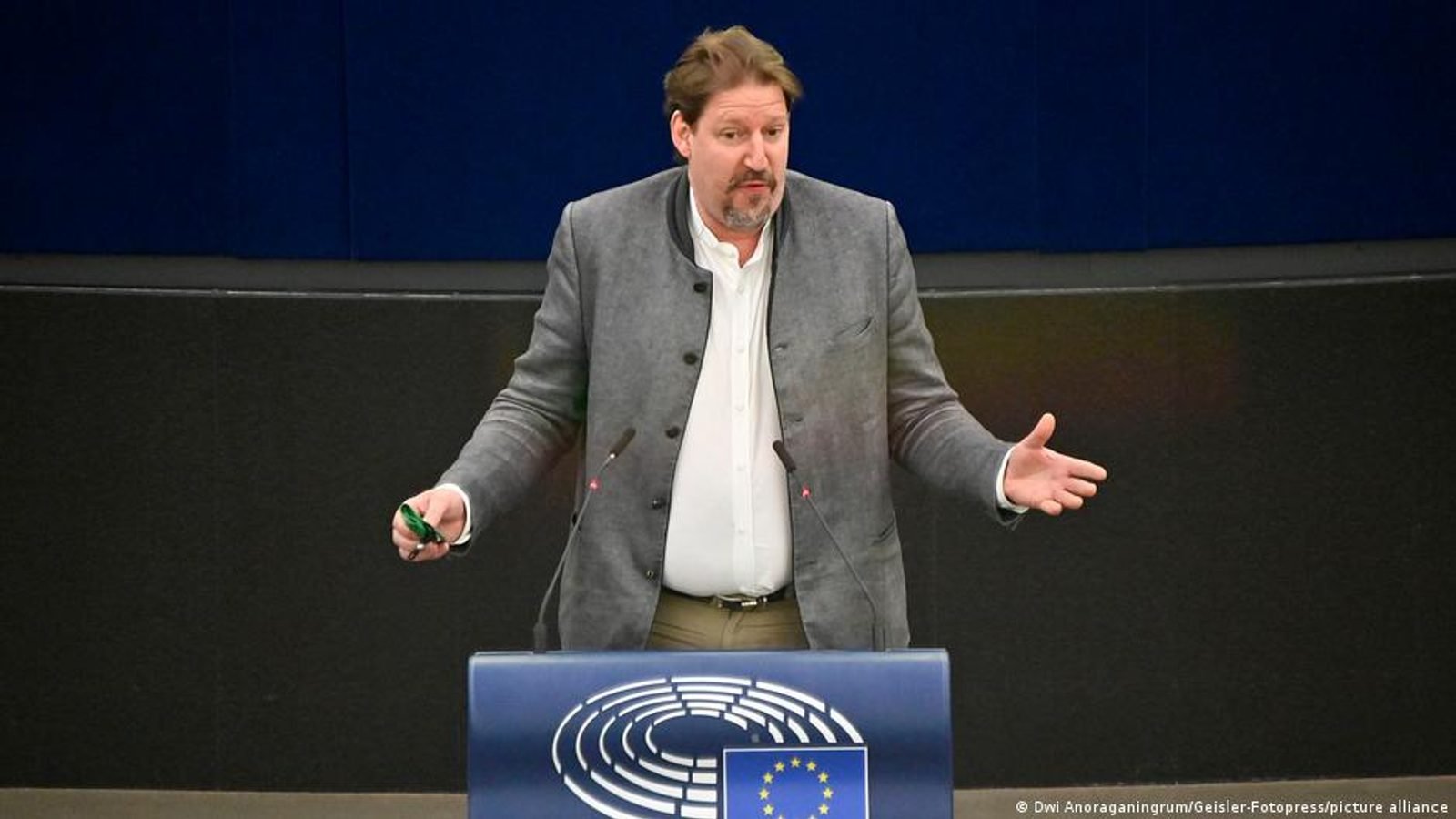
European and North Macedonian officials told participants at the 25th session of the EU–North Macedonia Joint Parliamentary Committee in Skopje on 25 September 2026 that fighting corruption, strengthening the rule of law and restoring public trust in institutions are decisive for the country’s European perspective and long‑term development.
MEP Thomas Waitz, the European Parliament’s standing rapporteur for North Macedonia, warned that when citizens lose faith in justice and equal rules, young people are more likely to leave the country.
Waitz: justice must apply to everyone to rebuild trust
Waitz drew a direct lesson from a high‑profile case in Austria to illustrate why equal application of the law matters. He said: "We had a huge real‑estate scandal. The person responsible was Mr. Benko. Many people thought he was too rich to go to court. Trust in the system could be measured precisely on the day he was arrested and sent to detention. People saw that even one of the richest men in Austria would appear before a court and be held accountable for a serious criminal offense. That case could have cost taxpayers billions."
He urged that the reforms demanded by the EU are not only technical requirements: "I appeal that this is not only about fulfilling obligations to the EU and accession criteria. It's about investing in your society, in your country, in the functioning of institutions and in trust in the system. If you cannot convince citizens that justice exists for everyone, that gives them a reason to leave."
Waitz also stressed the social and economic cost of emigration: "For young people it is very important to know that if they educate themselves and work hard, they will have a good salary and appropriate respect. If young people leave, a part of the country's future leaves too. That is directly connected to trust in institutions, the judiciary and the system as a whole."
He underlined that no EU member state is immune to corruption and that international cooperation is needed: "No member state is perfect. Together we fight organized crime and criminal structures that constantly try to outsmart the legislation." Waitz called for inclusive policymaking that listens to civil society in order to produce better, more effective laws.
Addressing the Reform Agenda and the Growth Plan, Waitz said amendments to the Criminal Code must be completed so that the EU can release reform‑linked funds. "In the Growth Plan there is a principle that if a country does not implement reforms on time, funds can be redirected to neighbouring states. As far as I am informed, North Macedonia has a real chance to receive additional funds, perhaps from 70 to 80 million euros. But it is not only about money. Citizens need a Criminal Code that will ensure an efficient judiciary and instill trust in institutions," he said, adding that fair salaries for judges and police officers are an important preventive measure against corruption.
EU Ambassador Mihalis Rokas told the committee that North Macedonia ranks among the more successful countries in implementing the Reform Agenda and the Growth Plan and reiterated that opening negotiations for the "Foundations" cluster should follow once Council conditions are met, including constitutional recognition of Bulgarians. Deputy Foreign Minister Zoran Dimitrovski reiterated that EU membership remains the country’s strategic objective and said: "We are ready for constructive dialogue and for solutions that build trust and bring concrete benefits for the citizens of both countries. We want good‑neighbourly relations, dialogue and cooperation with Bulgaria, but we believe that bilateral issues related to history, identity and the national narrative should not determine the European progress of a candidate country."
Photo: press material from the event