Thomas Waitz in Skopje: Fighting corruption is an investment in the country's future
The European Parliament rapporteur urged continued judicial reforms, warned emigration is fueled by weak trust, and cited a possible €70–80m in support.
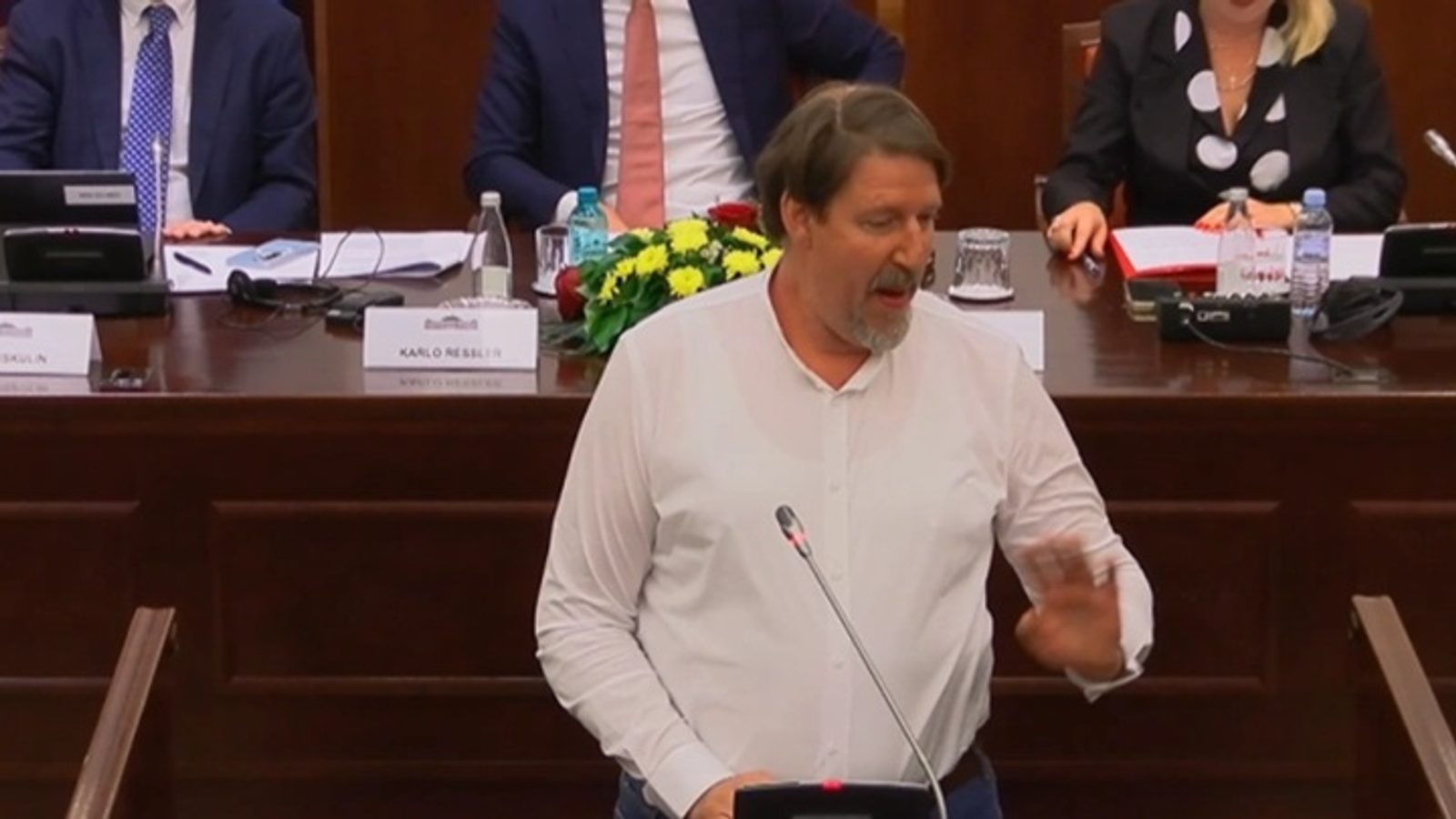
Thomas Waitz, Member of the European Parliament and the rapporteur for North Macedonia, told MPs in Skopje that fighting corruption must be seen not only as an accession requirement but as an investment in citizens’ trust and the country’s future.
Speaking at the first session of the EU–North Macedonia Joint Parliamentary Committee held in the Assembly, Waitz warned that weak public confidence in institutions and the judiciary fuels emigration and erodes prospects for long‑term development.
He compared the situation to his native Austria to stress that corruption exists even in EU member states, but outcomes differ depending on how institutions respond.
"If you cannot convince citizens that justice exists for everyone, people are given a reason to leave"
Waitz illustrated his point with concrete examples from Austria: "All EU member states fight corruption, no member is perfect. We are fighting to strengthen the rule of law, but there are differences and among us. In different member states there are different levels of corruption. And in my Austria there are big corruption cases, but the difference is that many rich people lie in prison," he said. He added that the arrest and prosecution of those responsible in Austria immediately increased citizens’ trust in institutions.
Turning to the domestic Reform Agenda, Waitz urged continued judicial reforms and amendments to the Criminal Code so North Macedonia can access European support instruments. "If a country does not implement reforms on time, those funds go to neighbouring countries. As far as I am informed, you have a real chance to receive significant additional funds, maybe 70–80 million euros. But it is not only about the money. You must provide citizens with a system that is not only efficient but builds trust among the population," he said.
EU Ambassador Michalis Rokas welcomed North Macedonia’s alignment with the EU’s external and security policy and its active NATO role, while Irish Ambassador Brendan Ward — whose country held the EU Council presidency — called enlargement a vital geostrategic investment and urged cross‑party consensus in parliament. Rokas stressed that opening accession talks on the "Foundations" cluster requires additional steps, including the constitutional inclusion of Bulgarians and parliamentary support.
Photo: MIA