Heatwave and drought are costing the EU hundreds of billions of euros
Analysts say the 2026 heatwave and drought have already disrupted energy, river transport and agriculture and could cost the EU hundreds of billions of euros.
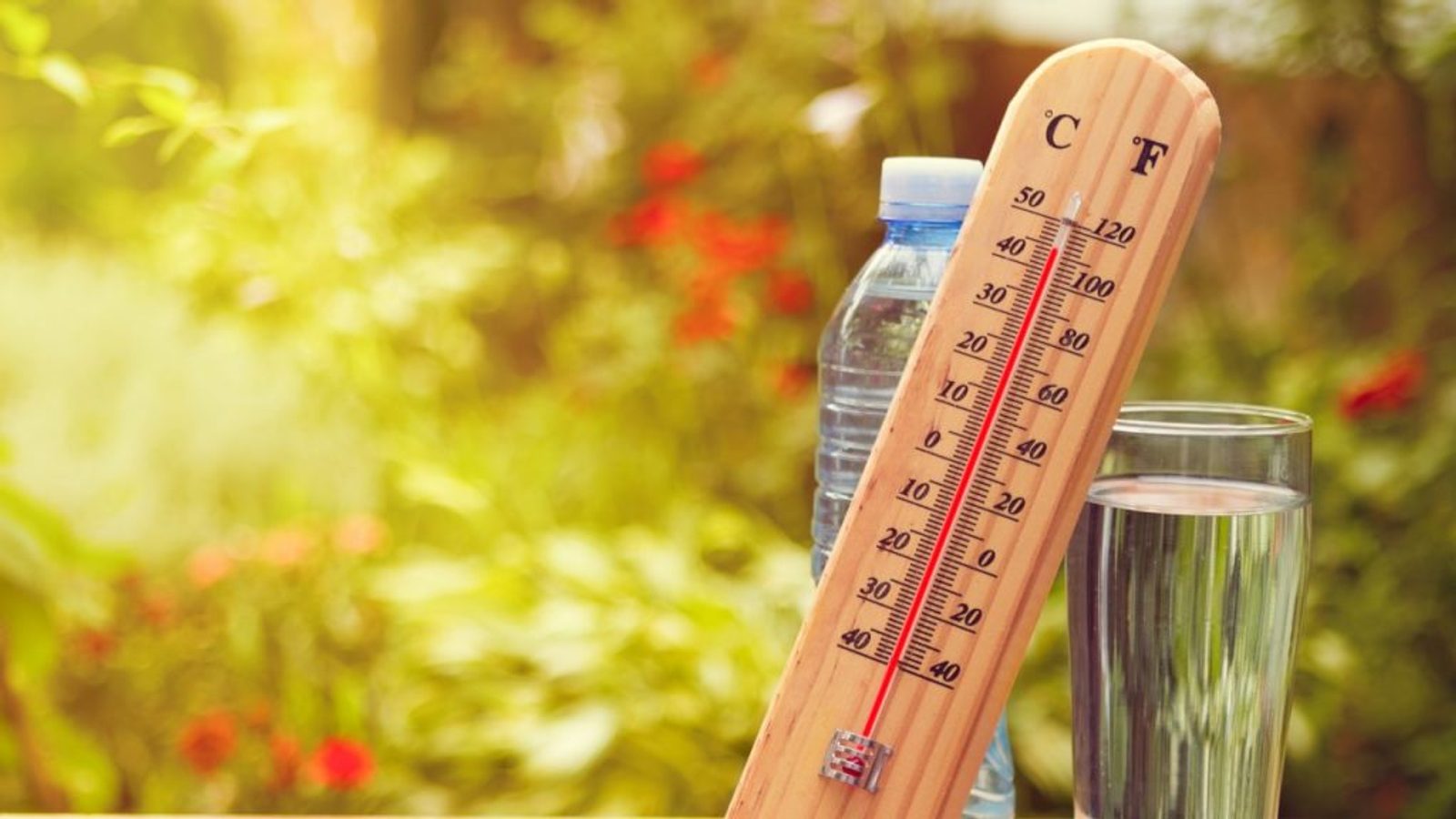
Extreme heatwaves and drought this summer have inflicted widespread economic damage across the European Union, costing “hundreds of billions of euros” and making 2026 likely to be a record year for climate-driven losses, analysts warn.
The summer 2026 heatwave has disrupted energy systems, river transport, agriculture and public health, researchers and economists say. Serish Usman, an economist at the University of Mannheim, warns that 2026 is especially critical because multiple extreme events — heatwaves, droughts and wildfires — are occurring simultaneously in the same regions, multiplying their effects.
Transport and industry hit as rivers run low
Extremely low water levels on the Rhine and the Danube have dramatically reduced cargo traffic. Analysts at ING estimate that a stoppage of navigation on the Rhine would cut Germany's GDP by 0.3 percentage points. In the energy sector, more than six nuclear plants have either shut down or reduced output because of cooling problems. MBH Bank analysts calculate that each week of outage at the largest reactor at Hungary’s Paks nuclear plant costs the country 0.1 percentage point of GDP.
Agricultural yields have been affected as well: late-harvest crops showed declines of six to seven percent already in July, and the extreme heat has been blamed for tens of thousands of deaths across Europe. Insurer Allianz estimates that climate change could shave between five and seven percent off growth in the most exposed economies — such as Spain, France and Italy — by 2030. Experts expect high temperatures to alter tourist patterns, shifting summer crowds from Mediterranean destinations toward more northern locales.
Researcher Maximilian Koch notes that extreme heat is also pushing food prices higher in warmer parts of Europe, complicating the European Central Bank’s fight against inflation. At the same time, the Food and Agriculture Organization (FAO) reports that global food prices are rising again, with the biggest increases seen in cereals and sugar.
Economists caution that simultaneous shocks across sectors increase uncertainty and raise the prospect of longer-lasting losses to growth unless policy responses and adaptation measures are accelerated.
Photo: press material from the event