Heatwaves and drought force European nuclear reactors to cut output
Low river flows on the Danube, the Rhine and other waterways have forced reactors in Romania, Hungary and France to reduce or halt output.
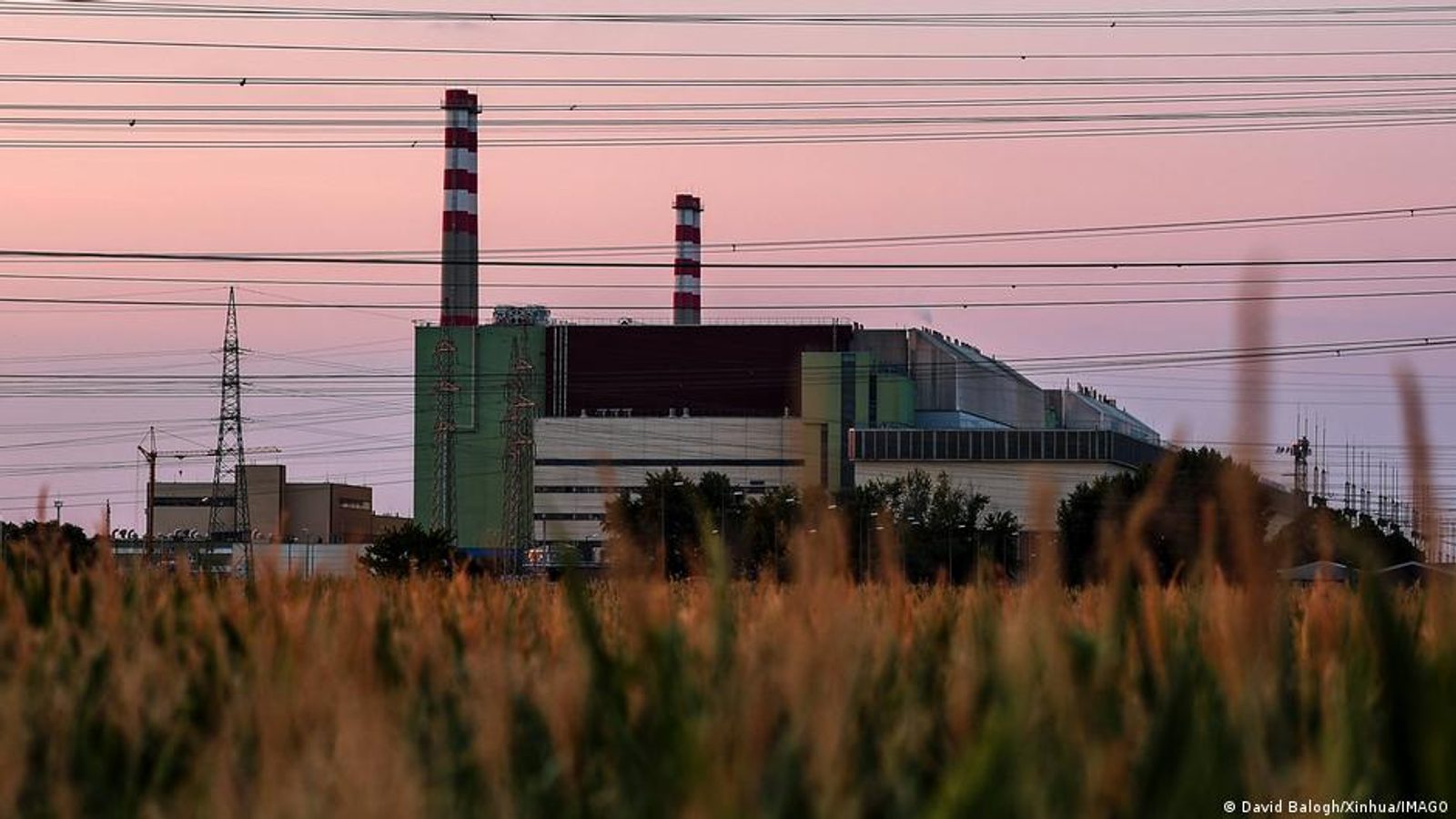
A series of heatwaves and prolonged drought across Europe have pushed river levels to historic lows and forced several nuclear power plants to cut or halt electricity production because cooling water is becoming scarce.
In Romania the Cernavodă nuclear plant, the country’s only nuclear facility with two reactor units, has taken both blocks offline. Operator Nuclearelectrica said the measure was prompted by "severe dry conditions." The plant normally supplies about one fifth of Romania’s electricity demand; one reactor was turned off a few days ago and the second has now been suspended.
Plants on the Danube and beyond
Hungary’s Paks plant, located on the Danube and central to the country’s power supply, will also be taken offline in phases, Prime Minister Peter Magyar announced. One reactor is already non-operational because of a lack of cooling water from the Danube, and the remaining three units are scheduled to be shut down within the next 24 to 72 hours. Magyar warned that power shortages could appear as soon as today and urged Hungarians to save electricity while the country draws on reserves and organizes imports.
Neighbouring Serbia says its grid is stable for now but officials are calling on consumers to economize. Minister Dubravka Gjedović Handanović said the situation remains challenging for Danube water levels and pointed out that the Djerdap hydropower plant recorded its lowest output since it entered service during May, June and July.
Austria — which has no nuclear plants — is also feeling the impact: many of the country’s more than 4,000 small hydropower stations are operating at reduced capacity (in some cases down to 50 percent) or are completely shut.
The Rhine is similarly affected. German authorities forecast that water levels at the most critical point near Kaub could drop to a record low of 18 centimetres on Friday; the previous daily-average low was 25 centimetres in October 2018. "Low water levels on the Rhine and many other rivers are currently seriously disrupting freight traffic," said Dirk Binding, an expert at the Association of German Chambers of Commerce. Reduced loads and navigational limits are creating bottlenecks, higher transport costs and longer delivery times — slowing supply chains in the chemical, steel and oil sectors and posing another drag on an already fragile German economy.
Photo: press material from the event