Ministry of Interior to move police records from notebooks to digital system within months
The Ministry of Interior will move police record-keeping from handwritten ledgers to an electronic system within three–four months, the minister said.
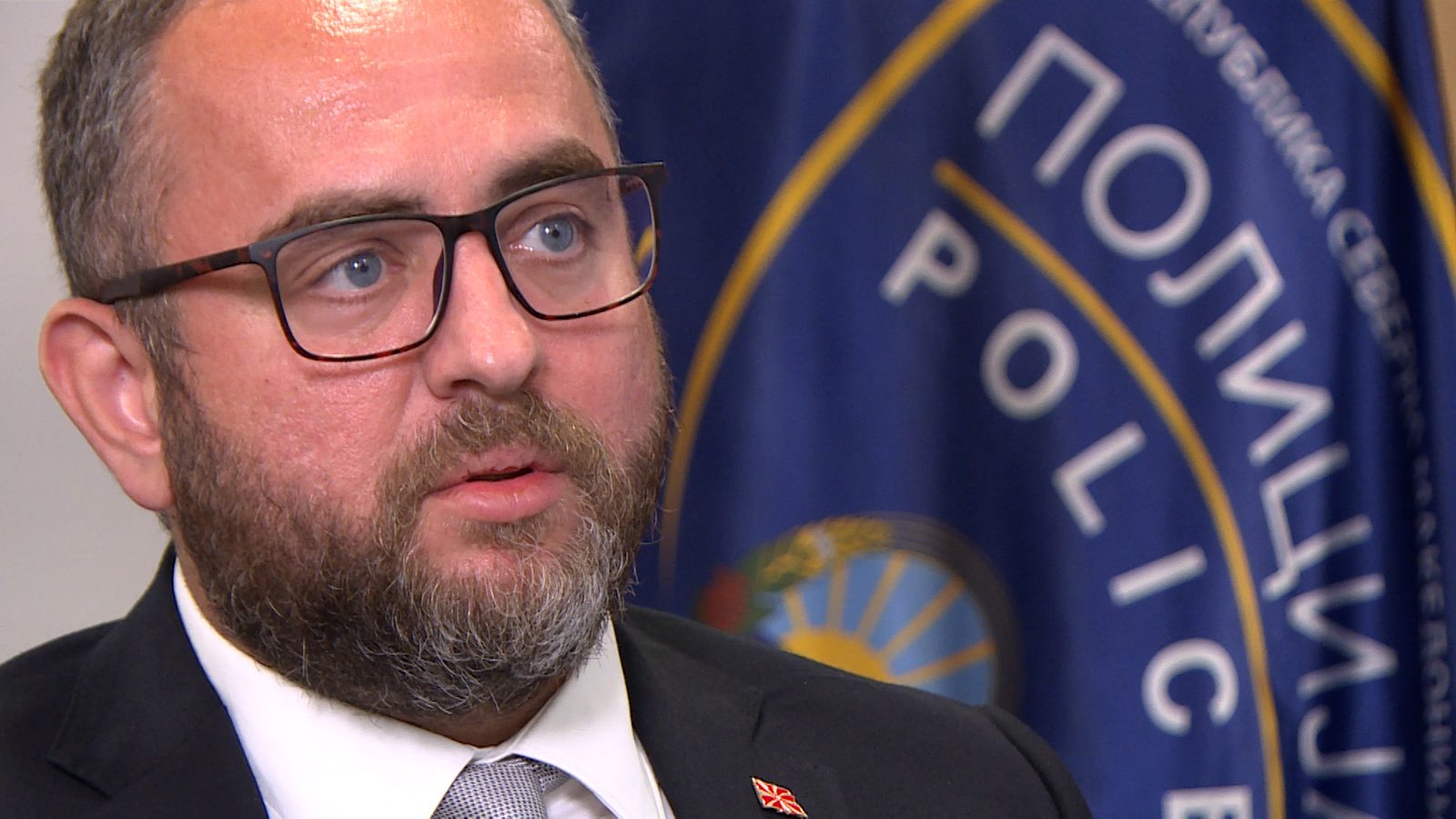
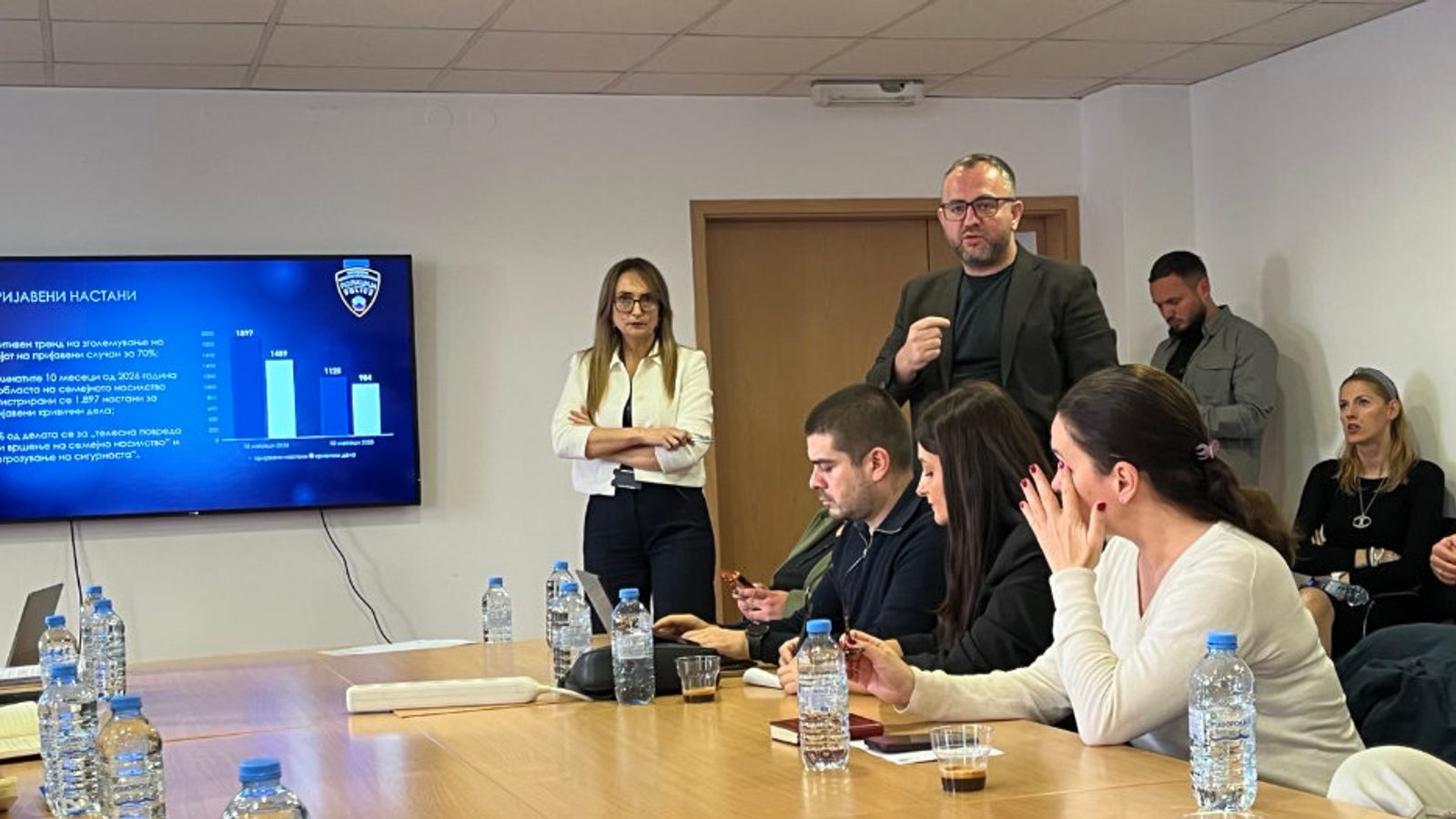
Panche Toshkovski said the Ministry of Interior expects to replace handwritten police ledgers with a digital system within three to four months, after a digitalisation project that has been underway for more than two years enters its final phase. He announced the timetable at a briefing with journalists.
Current practice: multiple paper registers for a single case
Toshkovski stressed that many police records are still kept manually and called that practice inappropriate for 2026. He described how the same personal data for one person are entered into several different books depending on the nature of the incident.
“Do you know how a criminal incident is recorded and registered in North Macedonia in 2026? With a notebook. At the moment we have 36 registers, i.e. books, while previously there were about 70,” he said.
To illustrate, he presented a hypothetical case of domestic violence: if a person reports being attacked by a spouse with agricultural equipment, officers must enter the same data into separate registers for criminal incidents, domestic violence, bodily injuries and presence of minors; if a weapon is mentioned, an additional register is opened.
He added that he became familiar with the system two years and three months ago and that officers were keeping records in filing cupboards, with staff forced to search paper books by hand when information was needed. “When I asked what you do with the records, they showed me a closet in which the books are stored. If certain data are needed, the officers search those records,” Toshkovski said.
The planned digital system will allow police officers to enter and process information electronically, avoiding repetitive manual registration of identical data. According to the minister, results should become visible within the next three to four months — possibly sooner — as part of a wider effort to modernise the ministry and boost efficiency by 2027.
Photo: press material from the event