Thirty‑five years of diplomacy: How North Macedonia built its place in international organisations
From UN admission in April 1993 to NATO membership in March 2020, multilateral bodies shaped the country’s international standing.
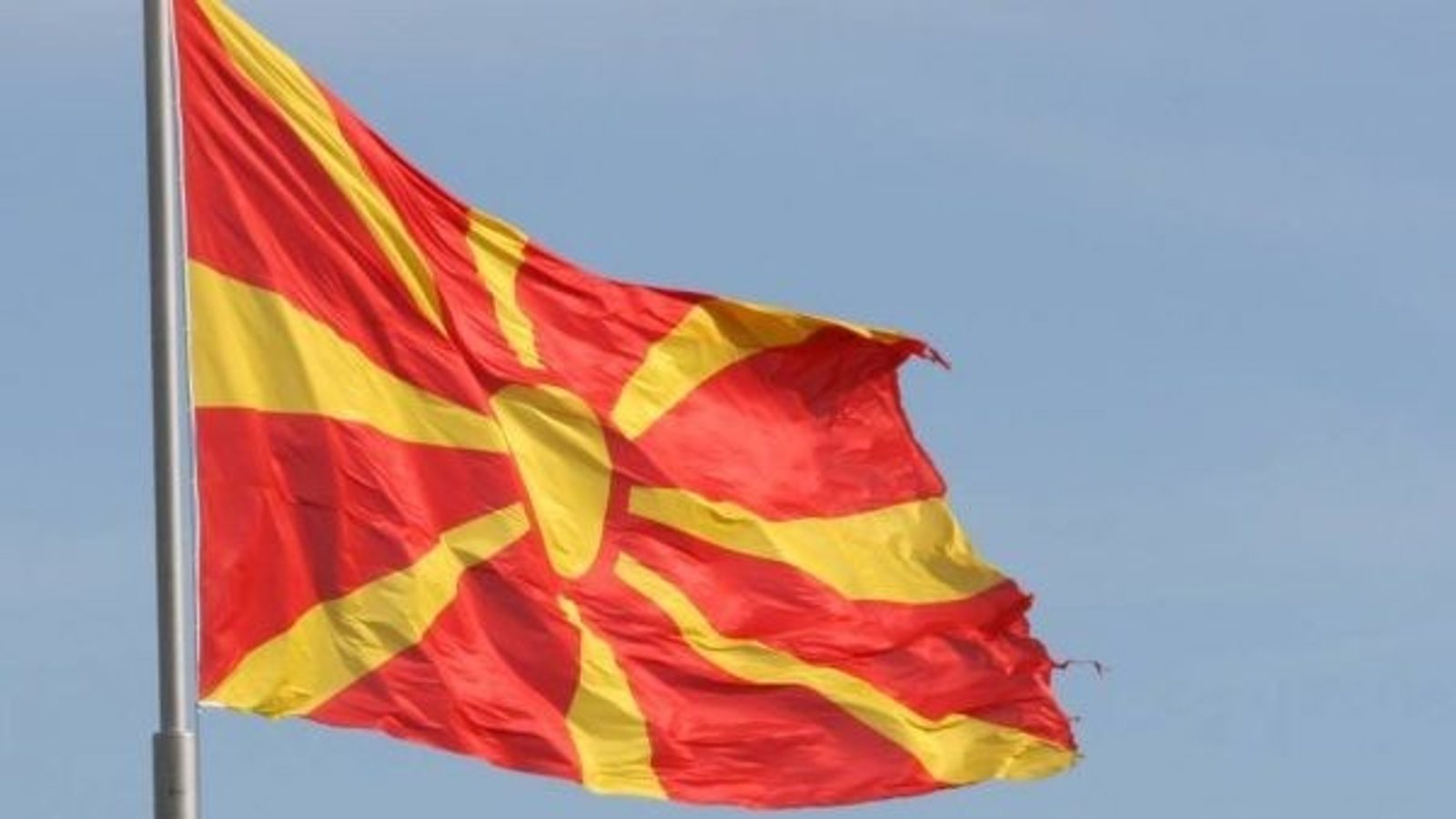
Thirty-five years after declaring independence, North Macedonia’s sovereignty was completed only after a long march into international organisations. Admission to multilateral bodies gradually transformed a newly independent polity into a recognised state with legal protections, political weight and economic access on the global stage.
The first breakthrough came at the United Nations in April 1993. On 7 April 1993 the UN Security Council recommended admission through Resolution 817, and on 8 April 1993 the General Assembly accepted the country as the 181st member of the United Nations. That entry, however, carried a condition: the country was admitted under the provisional reference "The Former Yugoslav Republic of Macedonia" and its flag was not initially flown at UN headquarters, with its name recorded under the letter "T".
From European courts to Atlantic security
Membership in the Council of Europe (1995) and the OSCE (1995) anchored the country in European human-rights and security frameworks. Joining the Council of Europe brought acceptance of the European Convention on Human Rights and access to the European Court of Human Rights; OSCE membership contributed to regional stability and cooperation.
The road to NATO became the most politically charged chapter. Despite meeting the necessary reforms and contributing troops to missions in Iraq and Afghanistan, the country faced a veto at the NATO Bucharest Summit in April 2008. Greece relied on Article 11 of the 13 September 1995 Interim Accord to block NATO accession, prompting a NATO declaration that conditioned an invitation on a "mutually acceptable solution to the name issue." The obstruction lasted until the Prespa Agreement of June 2018, which required constitutional amendments and a change of name to "Republic of North Macedonia." After ratification of the accession protocol by all 29 member parliaments, on 27 March 2020 the country became NATO’s 30th full member.
When the Bucharest blockade took place, the government turned to law as well as diplomacy. In November 2008 North Macedonia filed a case at the International Court of Justice in The Hague, accusing Greece of breaching Article 11(1) of the 1995 Interim Accord. After three years of written and oral proceedings the ICJ found that Greece had violated its legal obligation, issuing a judgment with 15 votes in favour and one against. Although the Court cannot force organisations such as NATO to act, the ruling recorded a clear legal vindication of North Macedonia’s position.
At the same time the EU accession process remained the longest-running challenge. Bilateral disputes, first with Greece and later with Bulgaria, slowed progress. Even after the screening phase and an open accession process, full EU membership continued to hinge on additional constitutional and bilateral steps.
Economic and sectoral integration also advanced in parallel: membership in the IMF and World Bank from 1993 provided macroeconomic support during the turbulent 1990s; accession to the World Trade Organization in 2003 signalled an open-market orientation that helped attract investment. Memberships in UNESCO (since 1993) and the International Organisation of La Francophonie (2006) strengthened cultural diplomacy, while cooperation with UN agencies such as UNICEF and UNHCR—crucial during the reception of some 360,000 Kosovo refugees in 1999 and the migrant flows of 2015–2016—established the country as a responsible regional humanitarian actor.
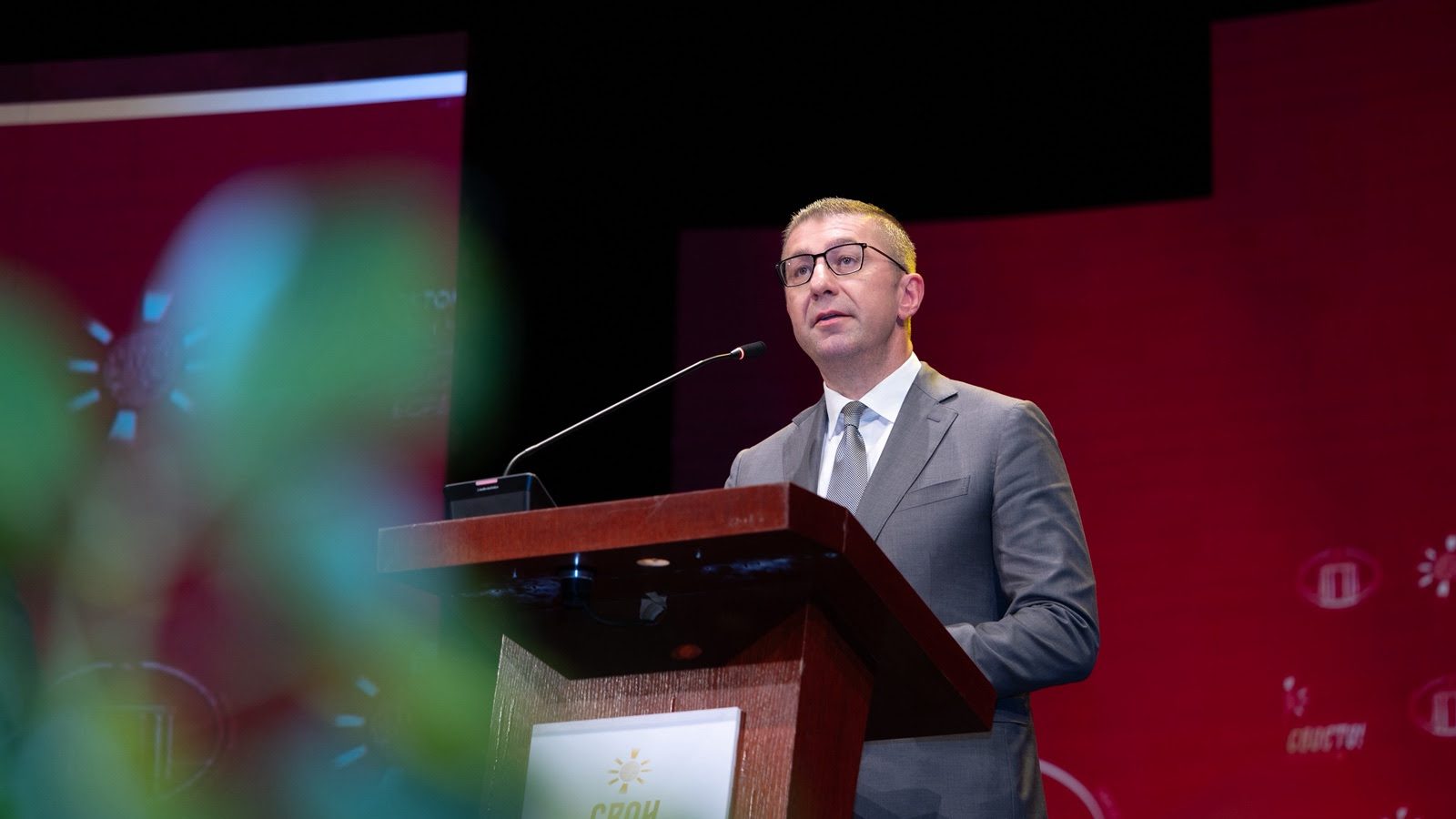
Photo: press material from the event