The Assumption of the Virgin: why her tomb was found empty
On August 28 Orthodox communities commemorate a feast that frames the Virgin’s passing as a triumph of life and presents her as a lead intercessor for humanity.
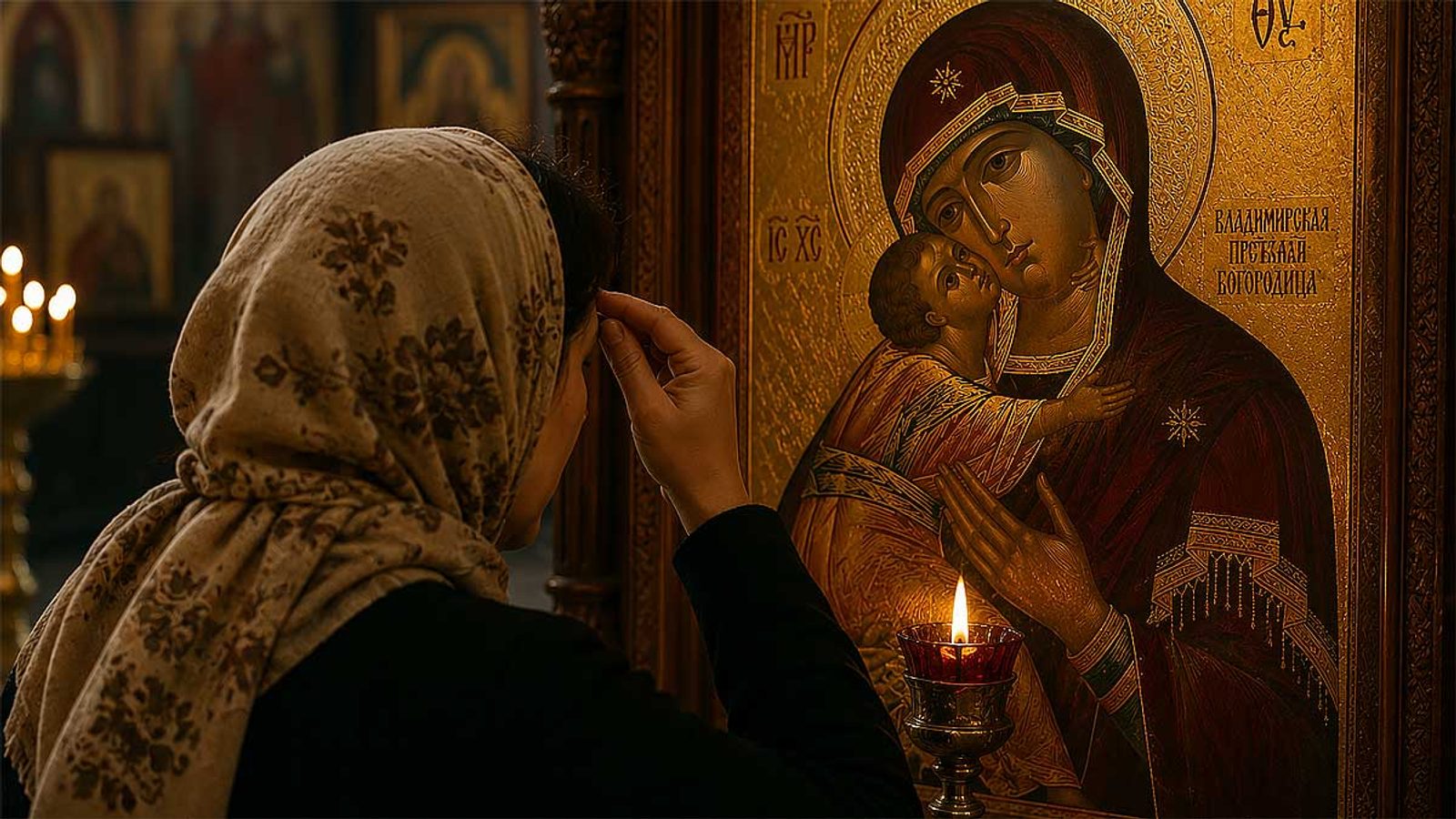
Every year on August 28 Orthodox Christians across the world gather for grand liturgies, the blessing and carrying of basil, and pilgrimages to monasteries to mark the feast known in English as the Assumption or the Dormition of the Virgin Mary. Outside these visible customs lies a theological meaning that turns the day into a celebration of life rather than a funeral for a saint.
The holiday is often called a "summer Easter" in popular speech because, the faithful say, it proclaims victory of the spirit over death and affirms the destiny of the human body beyond corruption. The date — August 28 — is fixed in the liturgical calendar and observed with special services in parish churches and monastic centers.
The difference between 'assumption' and 'death'
In Orthodox theology the term used for Mary’s departure from this life emphasizes "falling asleep" (Dormition) rather than final death. The word chosen by the Church expresses a belief that the Virgin's end was not an ordinary demise. Tradition holds that her body did not undergo corruption, and the expression therefore refuses the notion of absolute finality.
According to the patristic texts, the Dormition is understood as a short sleep before a miraculous translation of body and soul to heaven. This is why the celebration is named "Assumption" or "Dormition" rather than simply "death" — it points to a passage into fullness of life, not disappearance.
One of the most striking elements of the tradition is that the Virgin’s tomb was found empty after three days. That detail has been read by theologians as a proof that human flesh is called to eternity, and the empty grave becomes a sign that the boundary between earthly mortality and heavenly life has been breached.
The feast also preserves a vivid narrative about the apostles. Church lore says those scattered across the known world were miraculously gathered to Jerusalem — placed on clouds, so to speak — to be present at Mary’s parting. The image underlines how the Church, visible and invisible, is united to celebrate life and the defeat of death.
For believers the Virgin remains the most compassionate intercessor. Known in Slavic tradition as the "Quick-to-Hear" (a title recognising her responsiveness to prayer), she is imagined on this day as particularly near to humanity. Pilgrims who come to churches on August 28 seek not only healing or material help, but inner peace, humility and renewed hope that no human sorrow is left unattended.
Photo: press material from the event