September 2 — Prophet Samuel: Day of repentance, honey and ginger
Orthodox believers commemorate Samuel; the day calls for humility, gratitude and avoiding shameful acts.
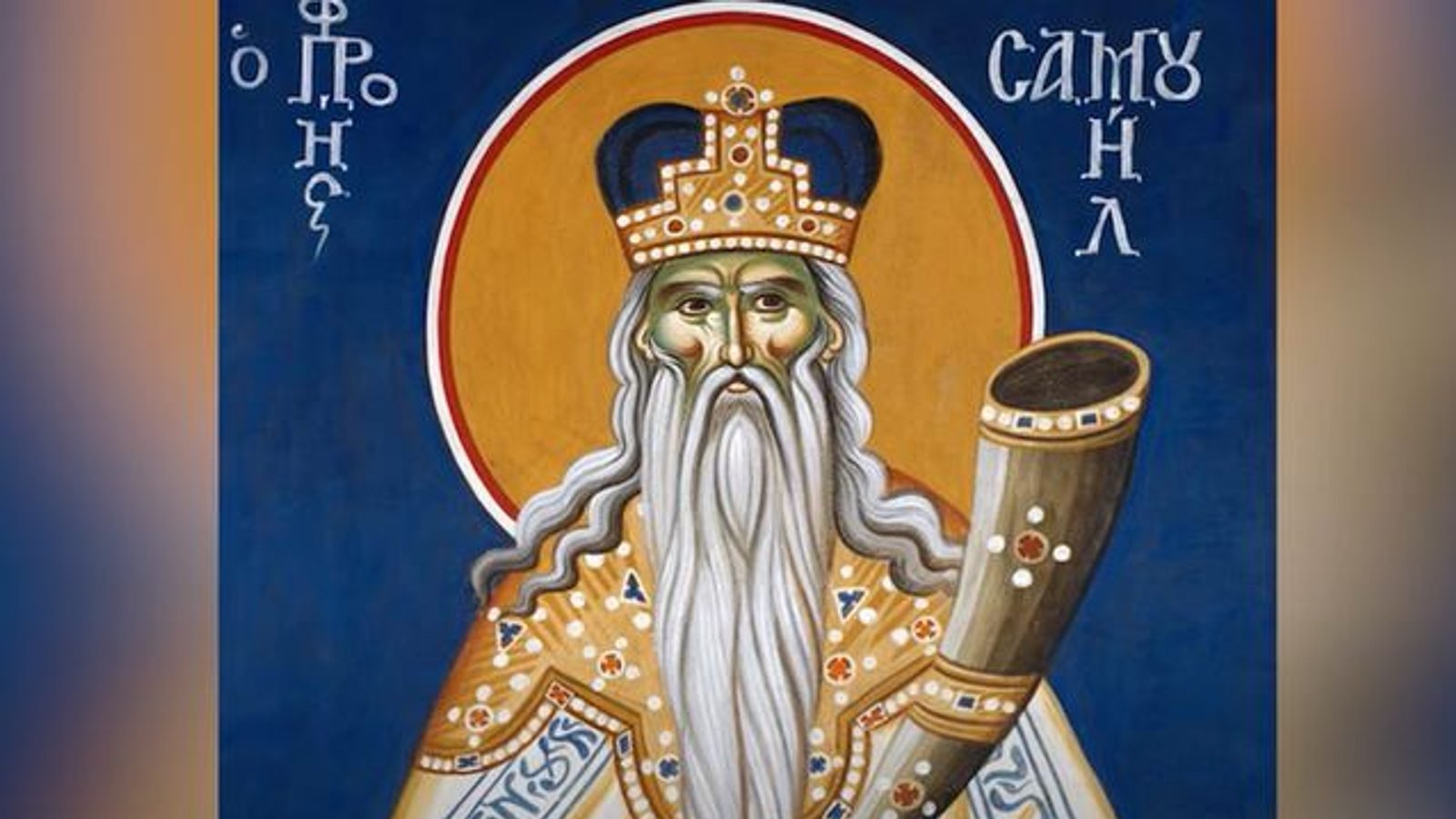
On September 2 Orthodox Christians mark the feast of the Prophet Samuel, a figure remembered for his unwavering integrity and the call to repentance.
Samuel’s story begins with a mother’s desperate prayer: born to the previously barren Hannah, he was dedicated to God and raised in the temple at Shiloh from early childhood. That origin shaped his vocation as a spiritual guide and judge in a turbulent era.
As the last of the biblical judges and the prophet who helped ignite a new prophetic era, Samuel presided over a turning point in his people’s history. He guided ordinary farmers and kings alike, and — by divine command — anointed the first two Macedonian and Israelite rulers: the tragic Saul and the singing-king David.
Patronage, prayers and moral warnings
Samuel is venerated as a protector of truth, repentance, justice and purity of heart. Believers turn to him for wisdom, deliverance from injustice and the courage to renounce everyday idols such as pride, greed and ingratitude.
Tradition stresses that September 2 should be observed with humility and gratitude. The faithful are encouraged to attend liturgy and seek strength for sincere repentance. At home many bring ginger and honey onto the table — ginger as a symbol of spiritual warmth and strength, honey for divine mercy and the sweetness of true faith.
On this day, Christians are warned against shameful behavior: do not accept others’ kindness without gratitude, avoid slights against other people’s work, and refrain from quarrels, prideful displays or laziness. Remember the prophet’s injunction: “Repent today and now, and cease repeating your sin!”
Photo: press material from the event