AI as collaborator, not competitor: companies report time and cost savings
At the Komercijalna Banka "Business for Business" conference companies described time savings, reduced errors and ESG gains from AI and automation.
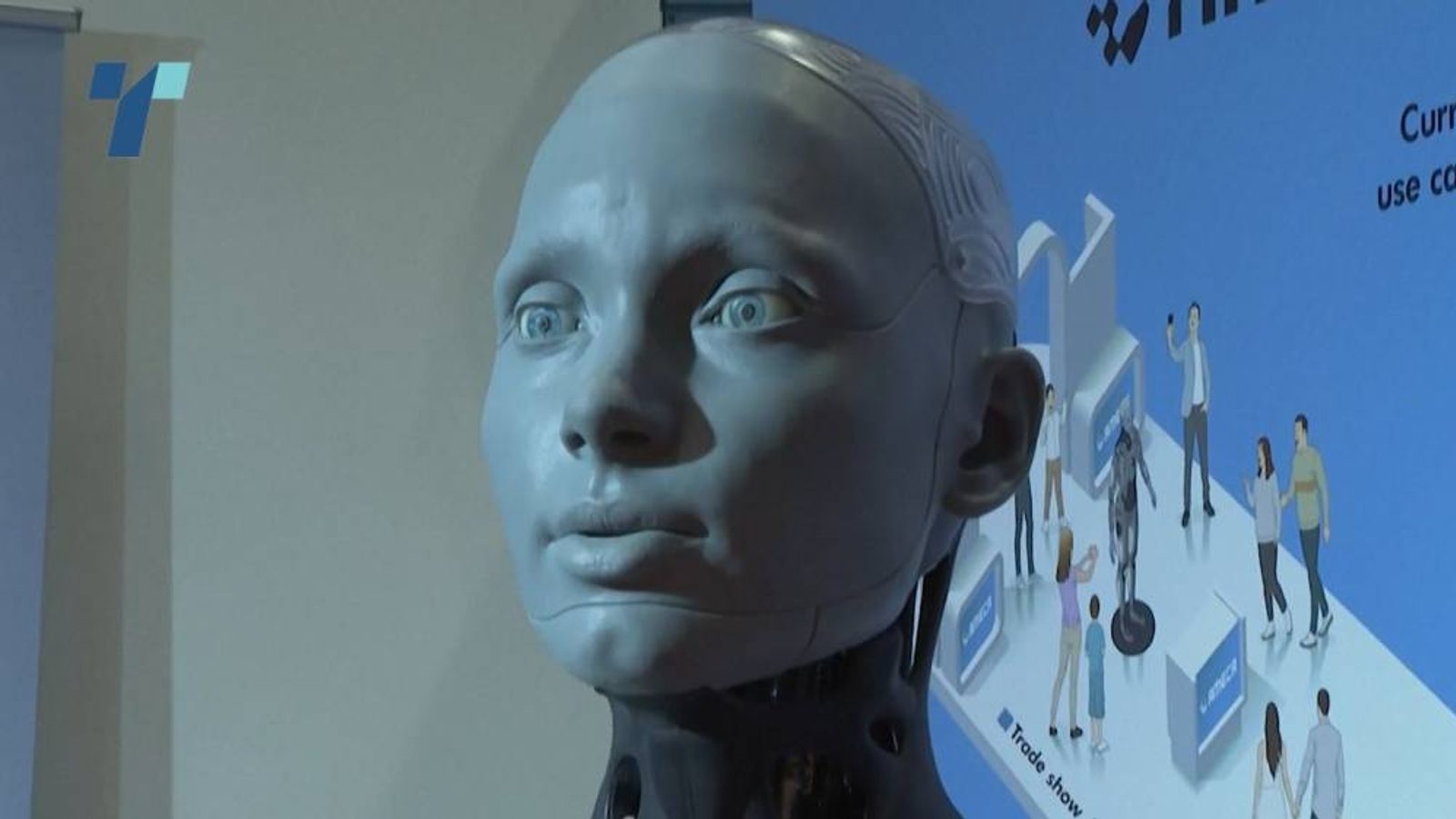
Business leaders in Skopje say artificial intelligence (AI) should be treated as a collaborator that helps companies cut costs and streamline workflows, not as a competitor to employees. The message emerged at the "Business for Business" conference organized by Komercijalna Banka, where firms that have already embedded AI agents described concrete productivity gains and error reductions.
Speakers argued that a careful assessment of which tasks consume the most staff time and company resources is the first step to effective AI adoption. Properly targeted AI and automation, they said, free skilled employees from routine work so they can focus on higher-value tasks.
Practical effects: time savings, fewer defects, ESG alignment
Elena Filatava, Oracle's regional director for the Adria region, stressed that AI must operate under human control: "For those who are open to AI it is logical to consider AI agents collaborators of people. It is really good to have them so you do not lose too much time on routine tasks. ... AI agents still need control, responsibility and certain restrictions in their work. And the final decision must always be made by a human."
Concrete examples were used to illustrate the impact. "You have 400 orders per month. Today each order takes 20 minutes, but the goal with an AI agent is to spend five minutes. Is that possible? Yes. That means 15 minutes saved per order — for 400 orders that's 100 hours per month," said Bojan Sadikovic, Oracle's director for sales, technology and cloud, noting that those hours can be reinvested in business development. He also announced that "Two weeks ago we put into production 'My learning portal', which is for all citizens of Macedonia" and offers free Oracle training materials for internal upskilling.
Speakers linked AI deployment to environmental, social and governance (ESG) practices. Tihomir Kasapinov, sustainability manager at VV Tikvesh, argued that energy, water and waste management are not only environmental measures but business risks and efficiency levers. "ESG is not a question of whether it is a cost, but what the cost is if you do not adopt it," he said.
Industry cases underlined the point: at the Bucim copper mine, management reported a 90% reduction in reservoir water consumption and more than a 10% cut in electricity use after introducing efficiency measures, digitalization and automation — investments that also allowed further AI integration. Ivica Karapetrov, Bucim's deputy general director, recalled the 2022 energy shock when electricity prices rose eightfold and the mine paused production for two months, saying that experience turned energy management into a strategic business priority.
Organizers and experts cited broad estimates about scale: AI implementation can reduce operational and business-process costs by up to 30% depending on industry and integration level, while the World Economic Forum projects that ESG and sustainable supply chains can lower operating costs by up to 16%.
Photo: press material from the event