Higher Public Prosecutor's Office in Skopje restores probe into mazut for TPP Negotino
Decision accepted AD Power Plants of North Macedonia's objection — investigation will continue against 13 individuals and one legal entity.
The Higher Public Prosecutor's Office in Skopje has annulled an earlier order to stop the investigation into the fuel oil (mazut) purchases for TPP Negotino, and instructed the Basic Public Prosecutor's Office for Prosecution of Organized Crime and Corruption to resume the case. The decision, issued after an objection by AD Power Plants of North Macedonia (ESM), concerns alleged criminal acts of abuse of procedure for a public call, awarding a contract for public procurement or a public–private partnership, and money laundering, brought against a total of 13 natural persons and one legal entity.
Guidance and new tasks for the first‑instance prosecutor
The Higher Public Prosecutor's Office in Skopje said it accepted the objection filed by AD Power Plants of North Macedonia and formally charged the Basic Public Prosecutor's Office for Prosecution of Organized Crime and Corruption (the first instance office) with continuing the proceedings. The first‑instance prosecutor was also given additional instructions on how to proceed in the renewed investigation.
In its reasoning, the higher office pointed out weaknesses in the expert reports that the first‑instance prosecutor had relied upon when deciding to stop the probe. Those shortcomings were a principal factor in returning the case to active investigation, the ruling states.
The renewed inquiry must examine in detail the concrete actions of each suspect, the higher prosecutor's office said, with particular focus on whether, and which individuals, directly acted or assisted in ways that allowed the legal entity ESM—through misuse of earmarked state budget funds and under the pretext of applying a preferential legal basis from Article 23 of the Law on Public Procurement—to produce a substantial financial benefit for one of the suspects and his company.
The Higher Public Prosecutor's Office instructed the Basic Public Prosecutor's Office for Prosecution of Organized Crime and Corruption to collect and analyze additional information from several state institutions and to order new expert examinations. Those steps are intended to precisely establish the circumstances and determine any criminal liability.
The decision was published on 31 August 2026. The case returns to the investigative stage with the prosecution now directed to widen evidence collection and to reassess previous expert findings.
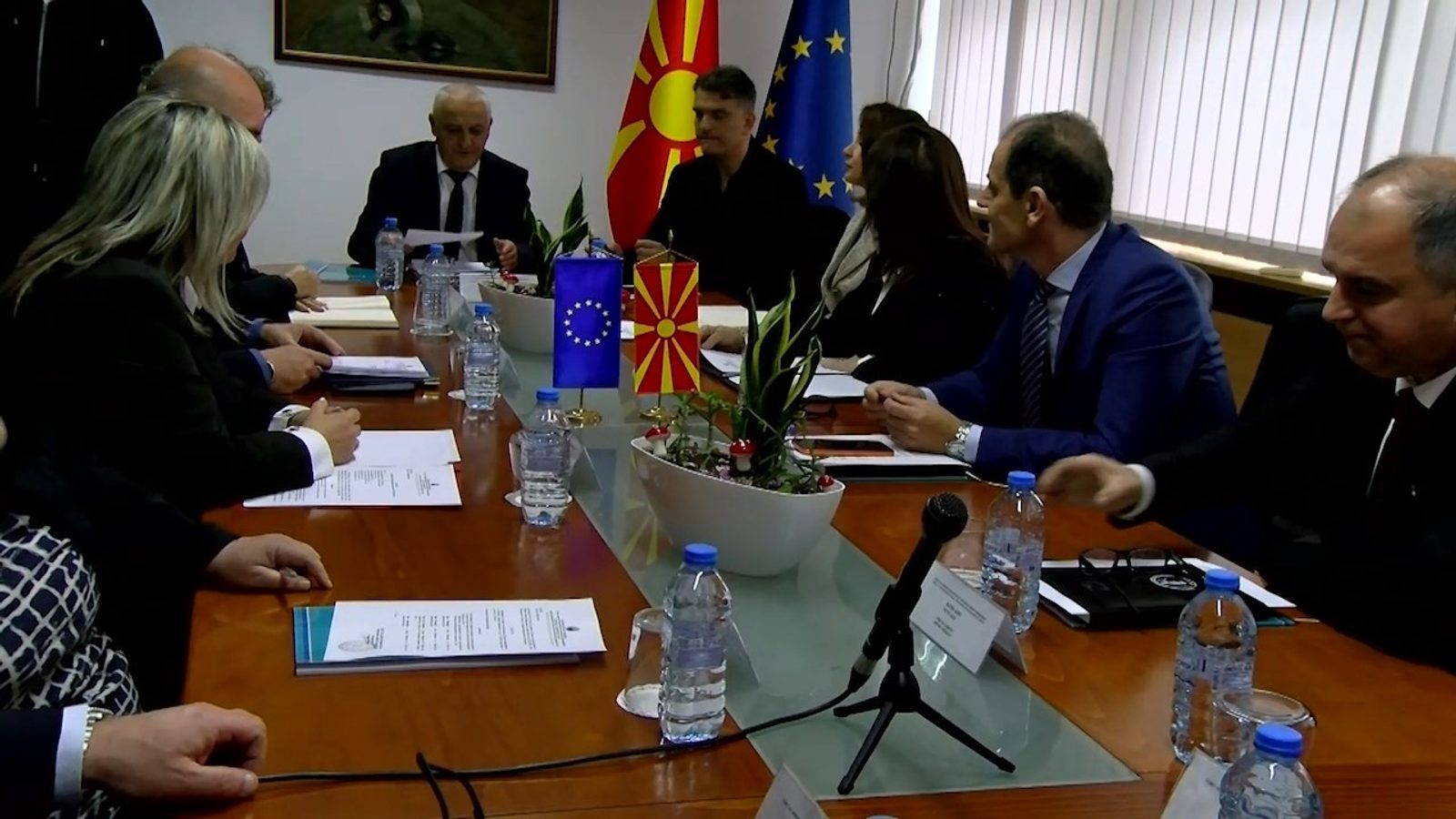
Photo: press material from the event