Government will not abandon plan to merge ANB and Intelligence Agency, says Prime Minister Hristijan Mickoski
Prime Minister Hristijan Mickoski told the Assembly the merger will be transparent, include public debate and be under strengthened parliamentary control.
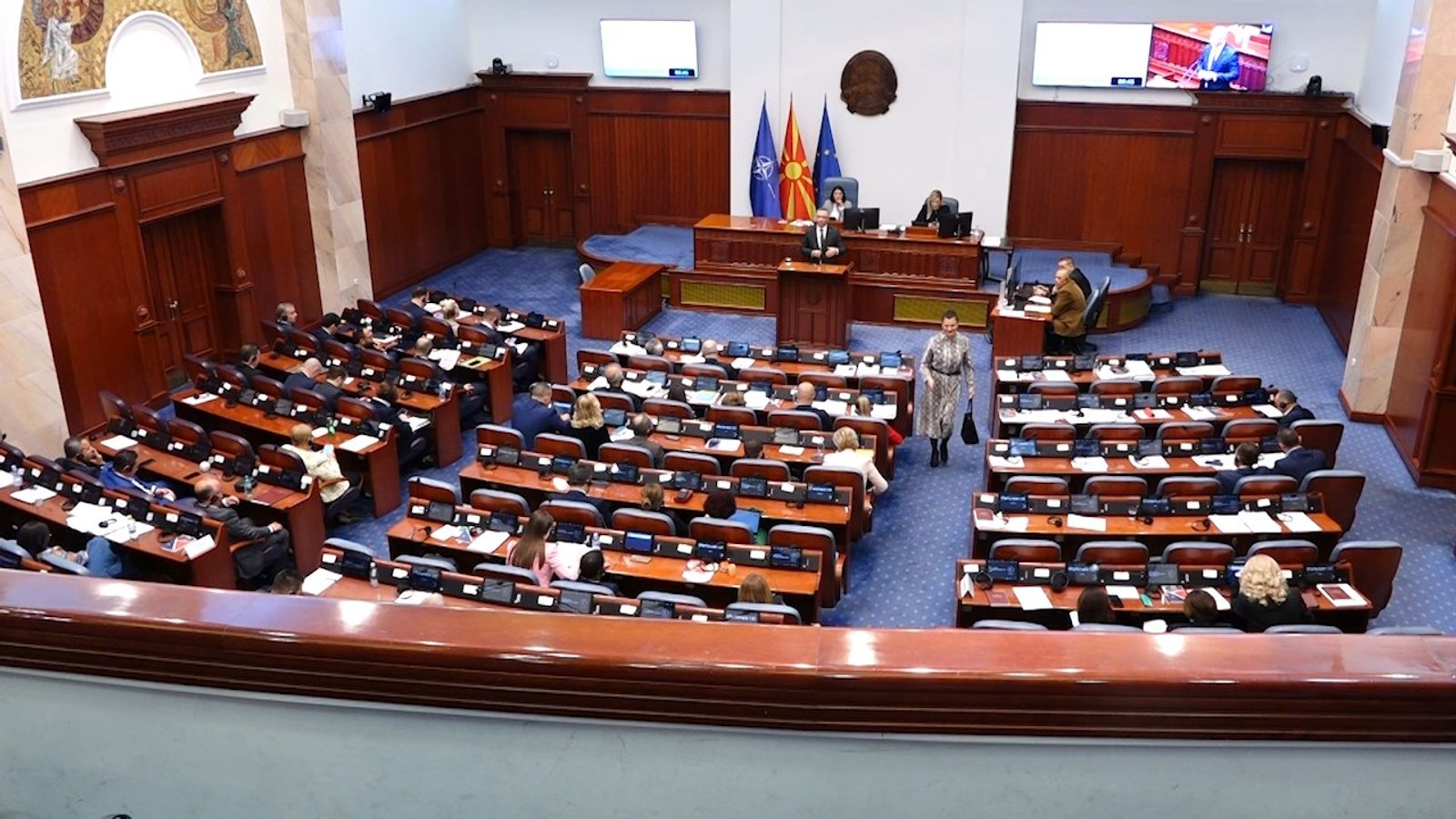
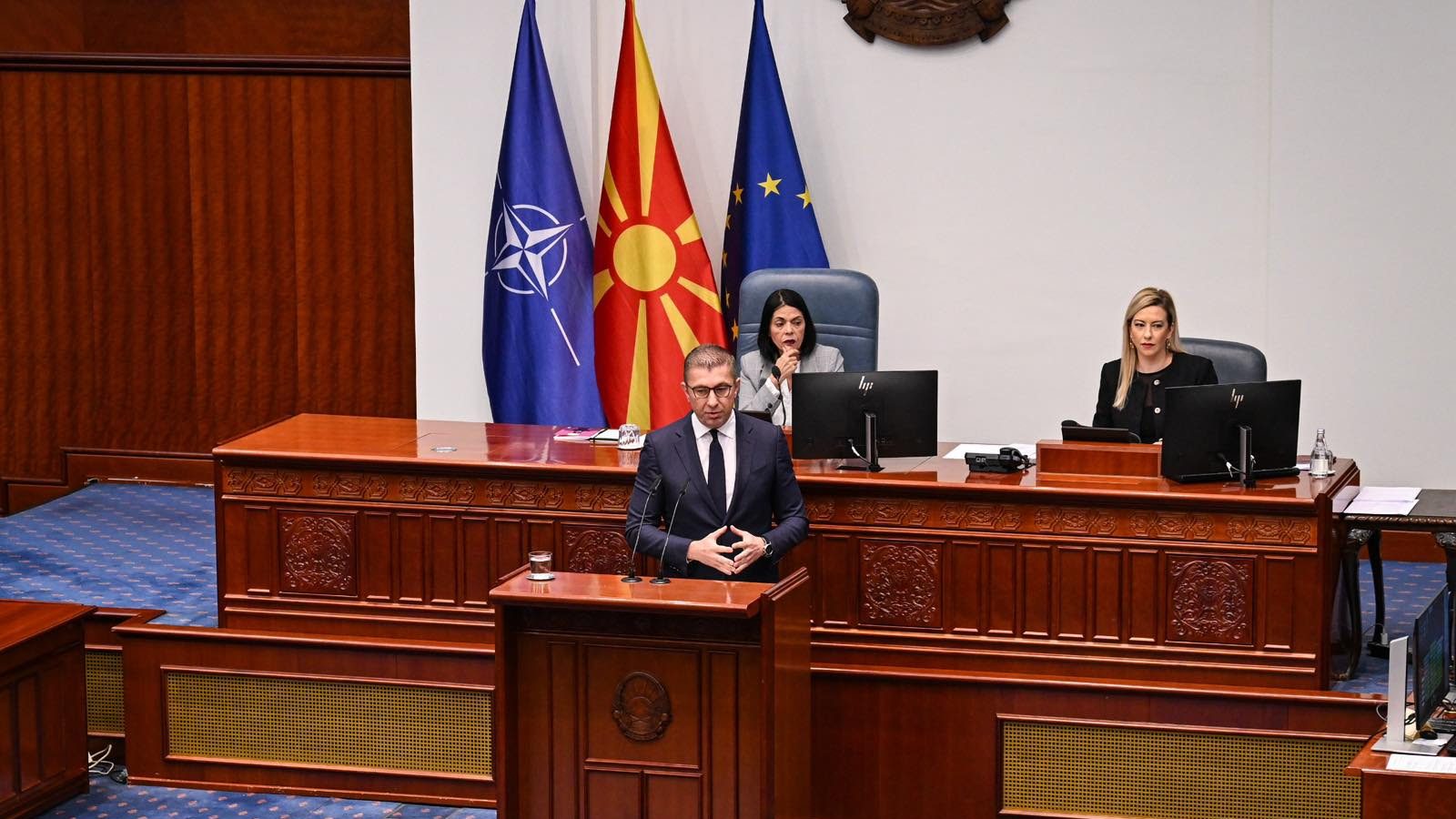
The Government will press ahead with its plan to merge the Agency for National Security (ANB) and the Intelligence Agency (AR), Prime Minister Hristijan Mickoski told MPs in the Assembly today, rejecting calls to abandon the project. He said the process will be transparent, include public debate and be subject to strengthened parliamentary oversight.
Parliamentary oversight and legal safeguards
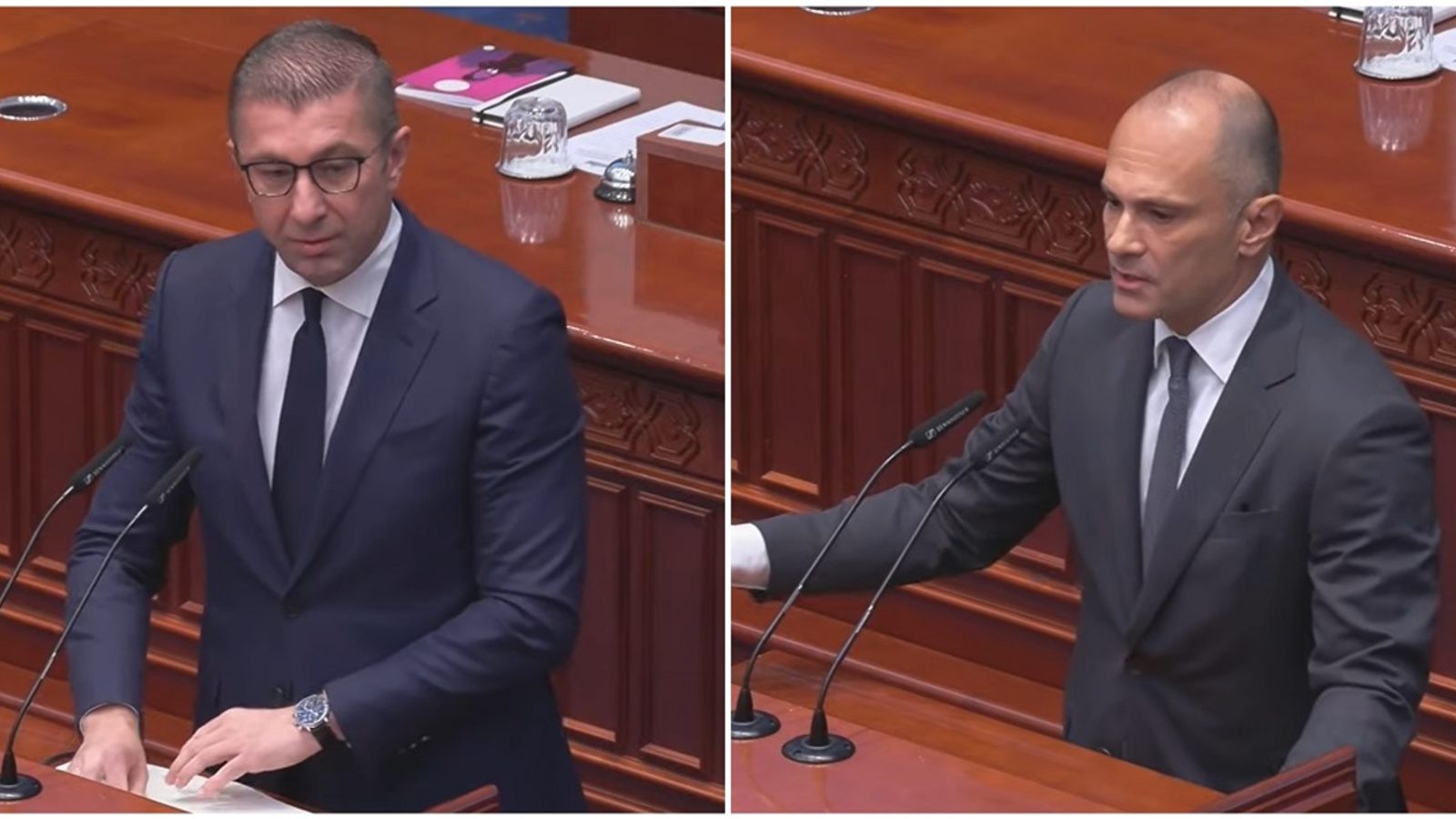
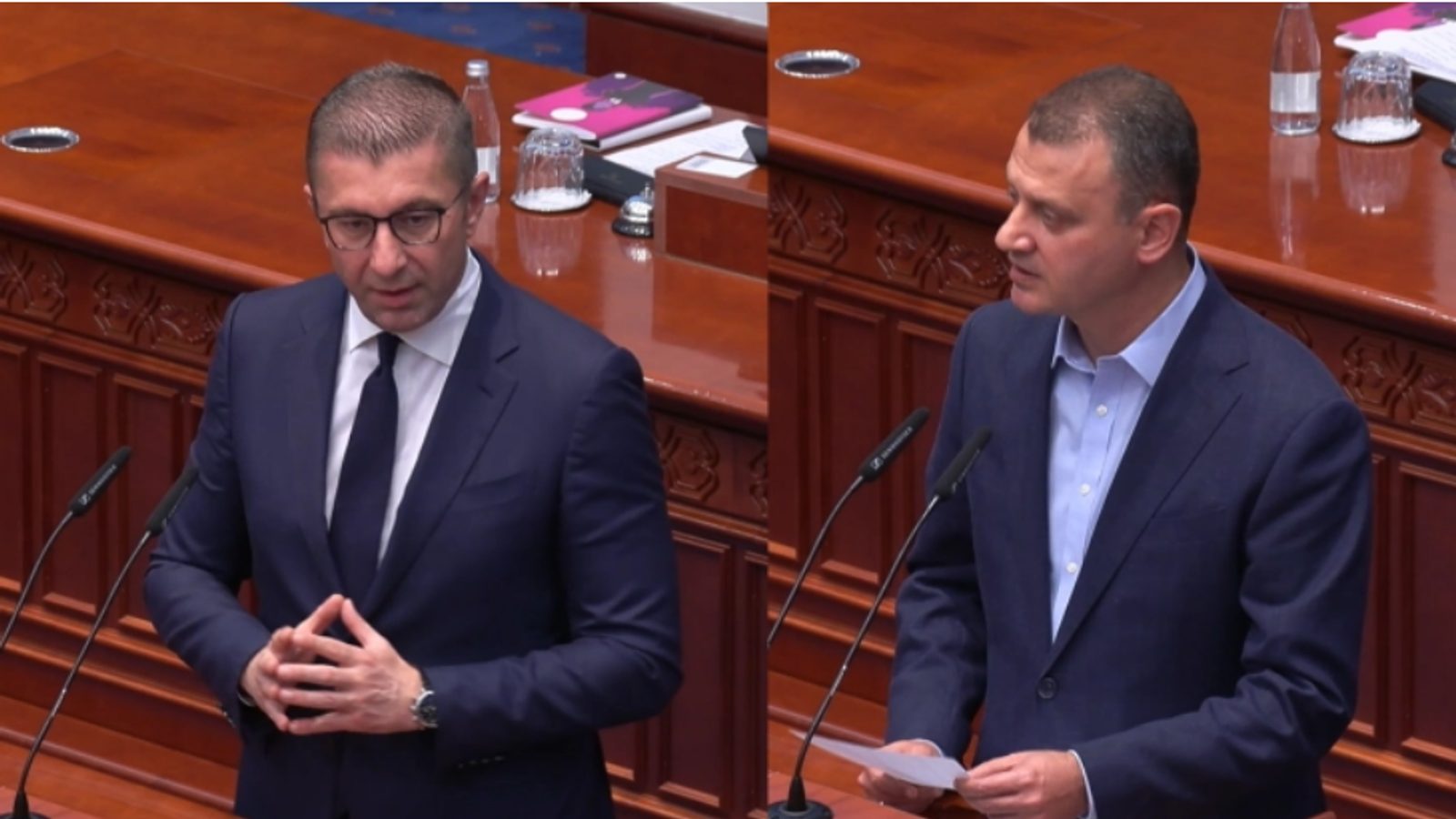
Answering a question from SDSM MP Mitko Trajchuleski, Mickoski insisted the merger is part of VMRO-DPMNE’s electoral programme and that preparations are being coordinated with relevant institutions and the country’s strategic partners. He said one of the reform’s aims is to make the security services more efficient while building in mechanisms to prevent abuse.
“It is true that this Government plans to reform the way the services operate. First, because when we were in opposition we were victims of those services and there are court proceedings about that, we will see how they end. They are not yet in a phase where we can comment. We will see how all of that ends. And that will not be if a process begins that will be hidden, on the contrary, it will be a transparent process that will have a public debate as much as necessary, so that we can catalyse a solution that will ensure transparency, namely control from here from the Parliament which will control the work of that one single united agency and the most important thing, which will ensure obtaining information for the protection of the sovereignty and democratic capacity of the state, not to be abused,” Mickoski said.
Mickoski rejected concerns that a merger could reopen the risk of illegal surveillance, pointing to the existing Operational-Technical Agency (OTA) and to legal responsibility mechanisms. “That is impossible because we have another institution called the Operational-Technical Agency. So if someone simply, if we talk about something that is against the law, that is already an abuse and there are other types of mechanisms and responsibility before the law. In cases of criminal offences that require special investigative measures, we have several processes which I would not speak about publicly now, I do not want to jeopardise the process and in that way make state security vulnerable. But as a political party we came out to elections with a programme and one of the projects in that programme is precisely the merging of the agencies along the lines of the United States of America, Croatia and numerous examples that exist in Europe and among our partners within NATO,” he said.
Trajchuleski — who raised the merger question with deep concern, citing past abuses including the illegal wiretapping scandal — warned that without strong limits the services could become an instrument of the ruling party and citizens could be exposed to surveillance, pressure and intimidation. “I raise this question with deep concern because Macedonia must not allow another experience in which the services become an instrument of the ruling party and citizens become subject to surveillance, pressure and intimidation. Our state has already paid the price of abuse of the security apparatus twice during VMRO-DPMNE rule. The illegal wiretapping scandal showed how dangerous the services are when oversight fails, and political power remains without effective restraints,” Trajchuleski said.
At the same Assembly session Trajchuleski also asked about border control, pointing to people fleeing the country and to the case of five tonnes of drugs seized in Serbia. He requested concrete explanations from the prime minister about what results the Government can point to that prove institutions are effectively controlling the borders and protecting the country’s sovereignty. The prime minister noted that discussion of the merger has been ongoing since 2024 and that the Government has proposed repealing the Law on Coordination of the Security-Intelligence Community as part of the preparatory steps toward unification.
Photo: Printskrin