MPs criticise the SCPC 2025 report, say institutions fail to curb corruption
Parliamentary debate over the SCPC annual report exposes accusations that institutions fail to turn findings into prosecutions or convictions.
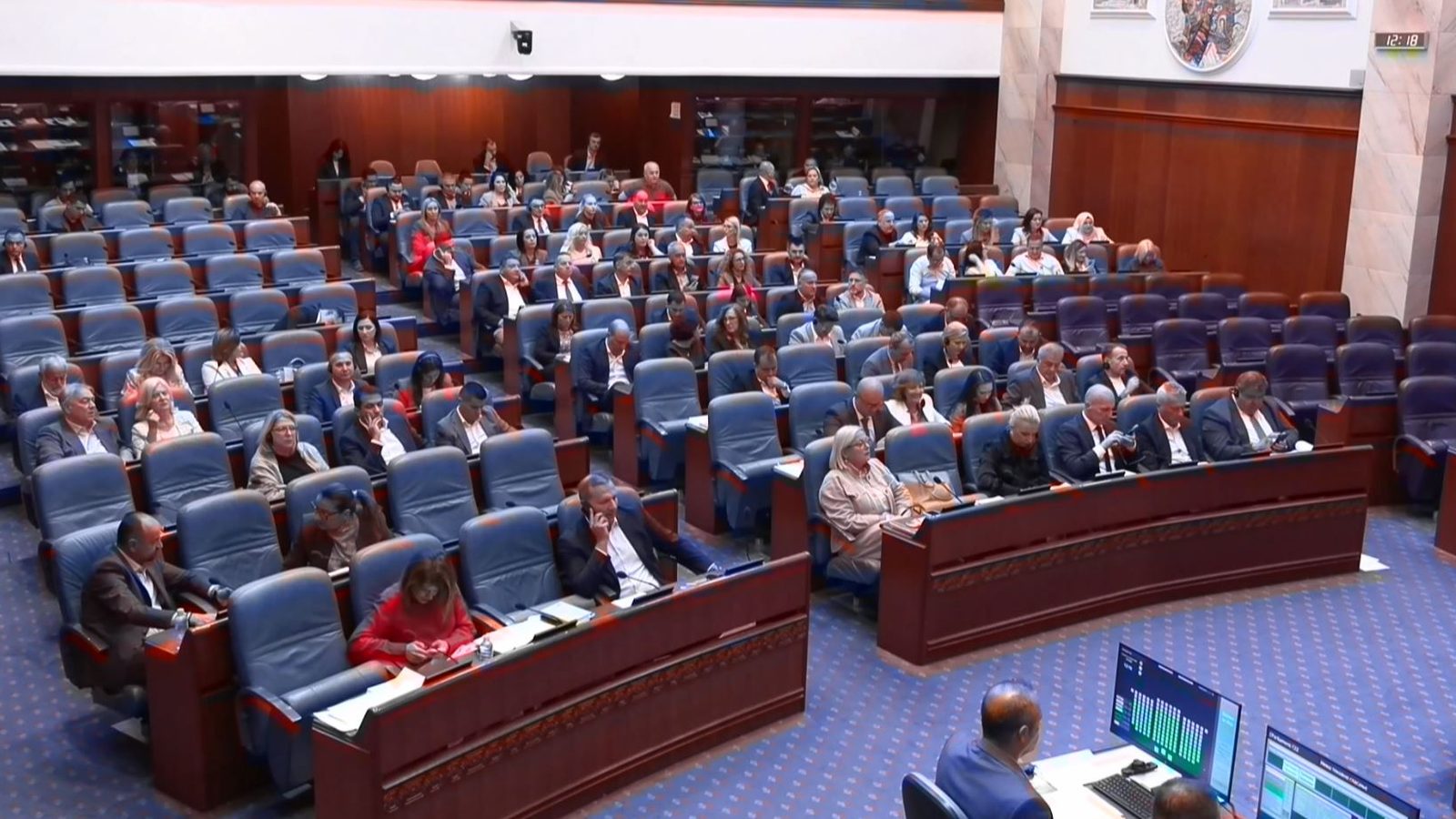
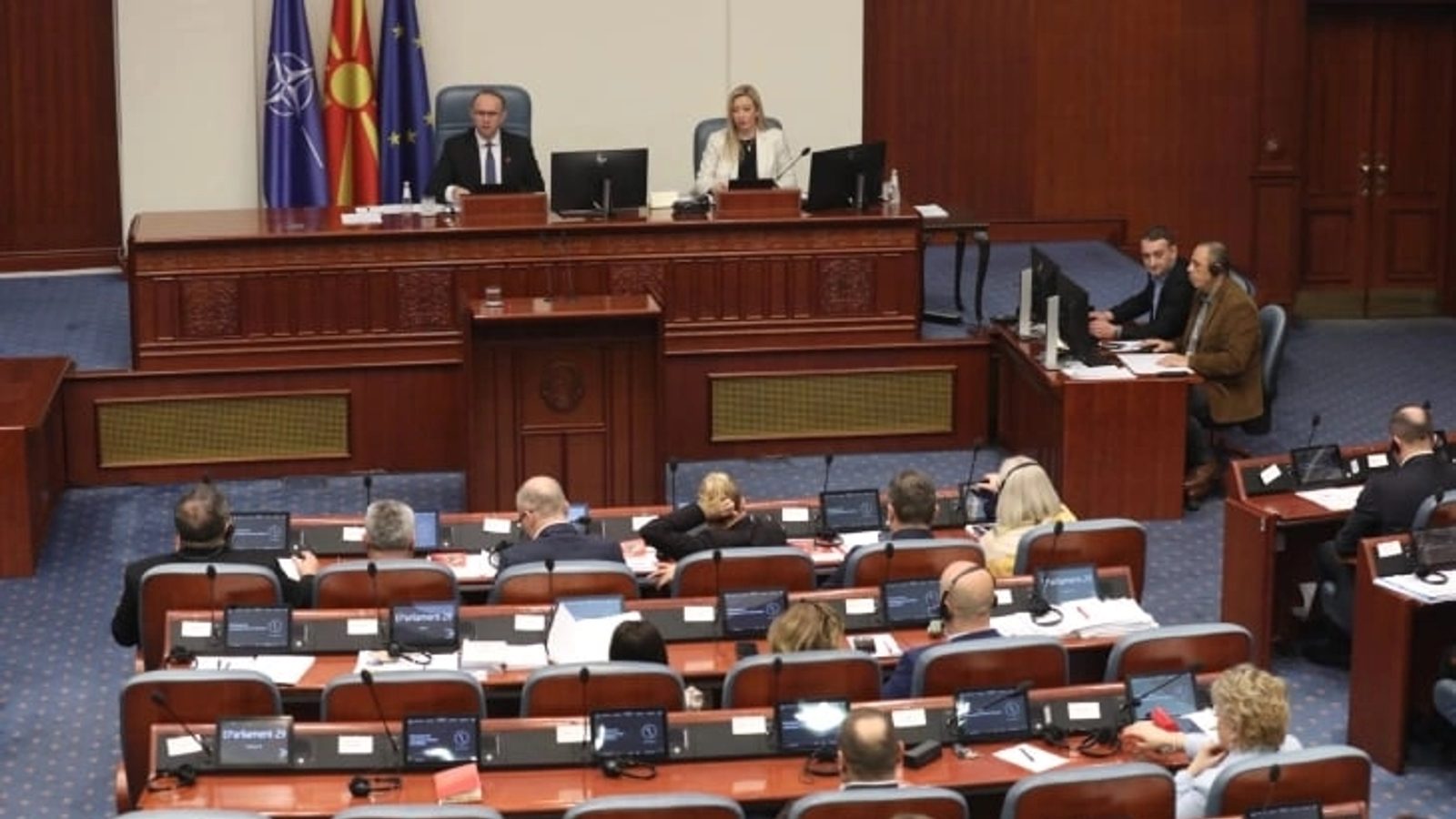
Members of Parliament opened a sharp debate over the State Commission for Prevention of Corruption's (SCPC) annual report for 2025, accusing institutions of failing to convert findings into prosecutions and convictions. The report was discussed at a plenary session today.
Lawmakers: institutions are not delivering
Malisha Stankovic, a deputy from the Socialist Party of Macedonia, warned that current institutional practice prevents effective anti‑corruption work. "How will we deal with corruption in such a system, come on, explain to me. You send too few cases to the Public Prosecutor's Office, the PPO puts the cases in a drawer. And the small number of cases that reach the courts, the court acquits them. If we continue like this, we will never deal with corruption," he said.
MPs from VMRO‑DPMNE also attacked the commission’s public messaging. "Before statements are issued, those statements should be based on facts and arguments. And all materials that motivate those statements to be released to the public should be read appropriately. Statements should not be published due to pressure from someone because in that way the essence of the institution is lost," said Bojan Stojanoski.
Opposition representatives were equally critical of the SCPC’s report. "For example, the report at first glance shows that there is a lot of activity. But if you look at the structure and the outcome of the cases, you will see that it is just a padded report to look like activity," said Redzep Ismail of Levica. Sali Murati of the European Front added: "After we count the numbers, we come to the same question as last year in this same hall. Does this institution really reduce corruption or only document it? In my view, they only document things and corruption is not reduced."
The commission’s own assessment in the annual report notes that "in 2025 there were no substantial systemic changes in the legal framework that would lead to a significant reduction in the possibilities for abuse of discretionary powers. The risks of corruption related to employment in the public sector, issuing permits and approvals, urban planning, public procurement and inspection oversight remained pronounced."
SCPC also highlighted a low level of implementation of planned activities, describing this as evidence of limited institutional commitment and insufficient accountability. Despite financial and staff constraints, the commission said it continued to perform its statutory role as a pillar of prevention against corrupt practices.
Photo: press material from the event