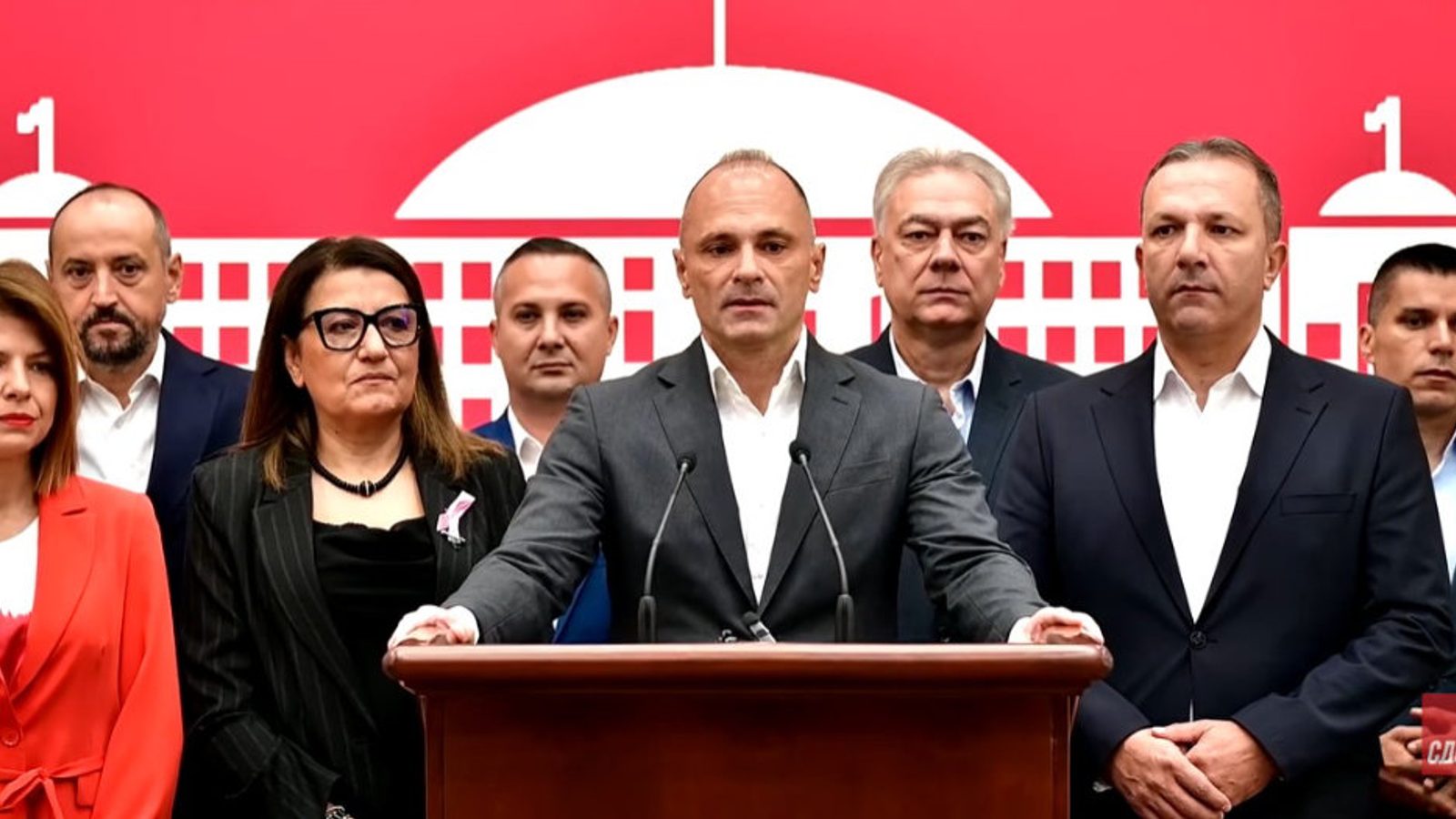
VMRO-DPMNE: Islam Abazi closed the modular hospitals case and spared Venko Filipche
VMRO-DPMNE says the organized-crime prosecution closed the modular hospitals case that was opened in September 2021, and pins responsibility on former health minister Venko Filipche.
VMRO-DPMNE accused Special Prosecutor Islam Abazi on Friday of closing the investigation into the purchase and installation of 19 modular hospital units, saying the office found no grounds to charge anyone with abuse of official position and powers.
The case was opened on September 10, 2021 and, according to the opposition statement, was finally shelved this week by the Special Public Prosecutor’s Office for Organized Crime and Corruption led by Abazi.
In its written reaction VMRO-DPMNE said the decision amounts to a political protection for former health minister Venko Filipche and other government officials. The party accused the former government of changing the construction law in an expedited procedure so modular units could be classified as urban equipment and be approved through the Ministry of Health.
Opposition lists technical omissions and responsibility
VMRO-DPMNE quoted its assessment in the statement: "Filipche and Zaev, instead of improving hospital standards, the then Ministry of Transport and Communications, at the proposal of the government, changed the Construction Law in an expedited procedure, in order to move this type of facility into urban equipment, for which the placement and approval would be issued by the Ministry of Health or, Venko Filipche as then minister," the party said.
The opposition also directly blamed Filipche for the installations and for a later deadly incident in Tetovo, stating: "Venko Filipche bears direct responsibility for the placement of the modular hospitals, and certainly for the tragedy that happened in Tetovo."
VMRO-DPMNE added that he "did not sign minimum technical specifications, nor did he prepare an electrical energy study." The party further criticised the prosecutors who handled the file earlier, saying the case languished in the desks of Vilma Ruskoska and Elizabeta Josifovska—both former prosecutors from the Special Public Prosecutor’s Office—before the Special Public Prosecutor’s Office for Organized Crime and Corruption, led by Abazi, decided there was no basis for criminal prosecution.
Photo: press material from the event