Germany could face shortage of more than 700,000 workers by 2029
Projections point to more than 700,000 missing skilled workers by 2029, with retail, childcare and health among the hardest-hit sectors.

Germany could face a significantly larger shortfall of qualified workers in the coming years, with projections indicating a gap of more than 700,000 employees by 2029. Demographic change and a wave of retirements are cited as the main drivers behind the widening mismatch between labor supply and demand.
Analysts estimate that by 2029 the country may be short roughly 723,000 skilled workers across multiple sectors. The expansion of the gap would nearly double the shortage recorded last year, when the market lacked about 370,000 qualified employees.
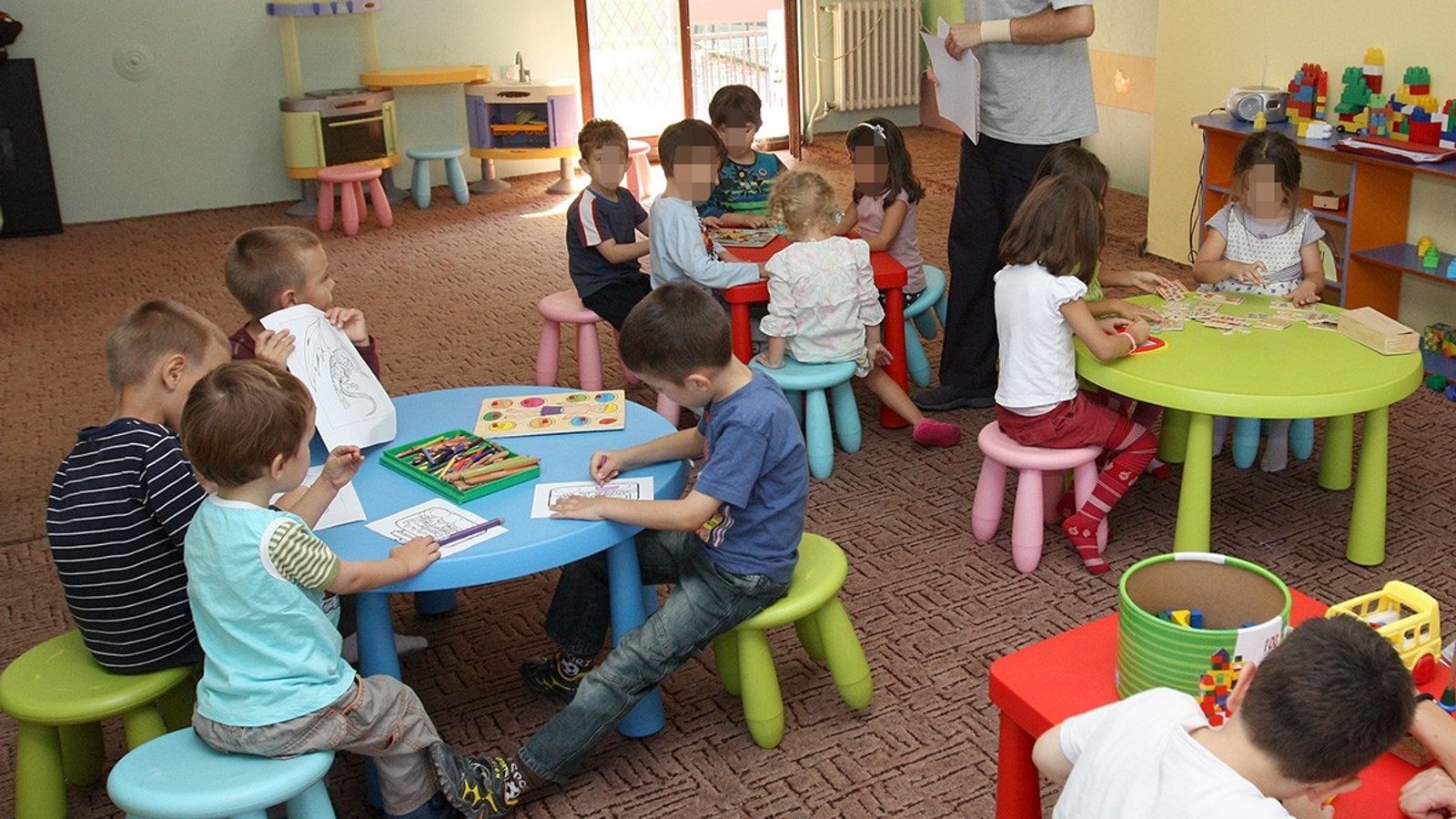
The largest single shortfall is expected to appear in retail: around 39,100 vacancies are projected in sales roles. Childcare and early years provision also stand out, with an estimated deficit of about 29,900 workers.
Which sectors will be most affected
Social work and social pedagogy are next on the list, with roughly 23,600 positions at risk of remaining unfilled. The health and medical care sector could see a shortage of about 18,700 professionals, while the electrical industry may lack around 17,000 skilled staff by 2029.
The author of the study, Aleksandar Burshtede, warns that retirement of large cohorts of current employees will be a major factor increasing the gap on the German labor market. At the same time, projected inflows of foreign workers are not expected to fully compensate for the numbers leaving the workforce.
For employers and public services alike, the growing scarcity of qualified labour represents a pressing challenge — particularly in sectors already under strain such as healthcare, elderly care, childcare and social services. Policymakers will need to consider measures to boost recruitment, retention and targeted immigration if these trends persist.
Photo: Fripik